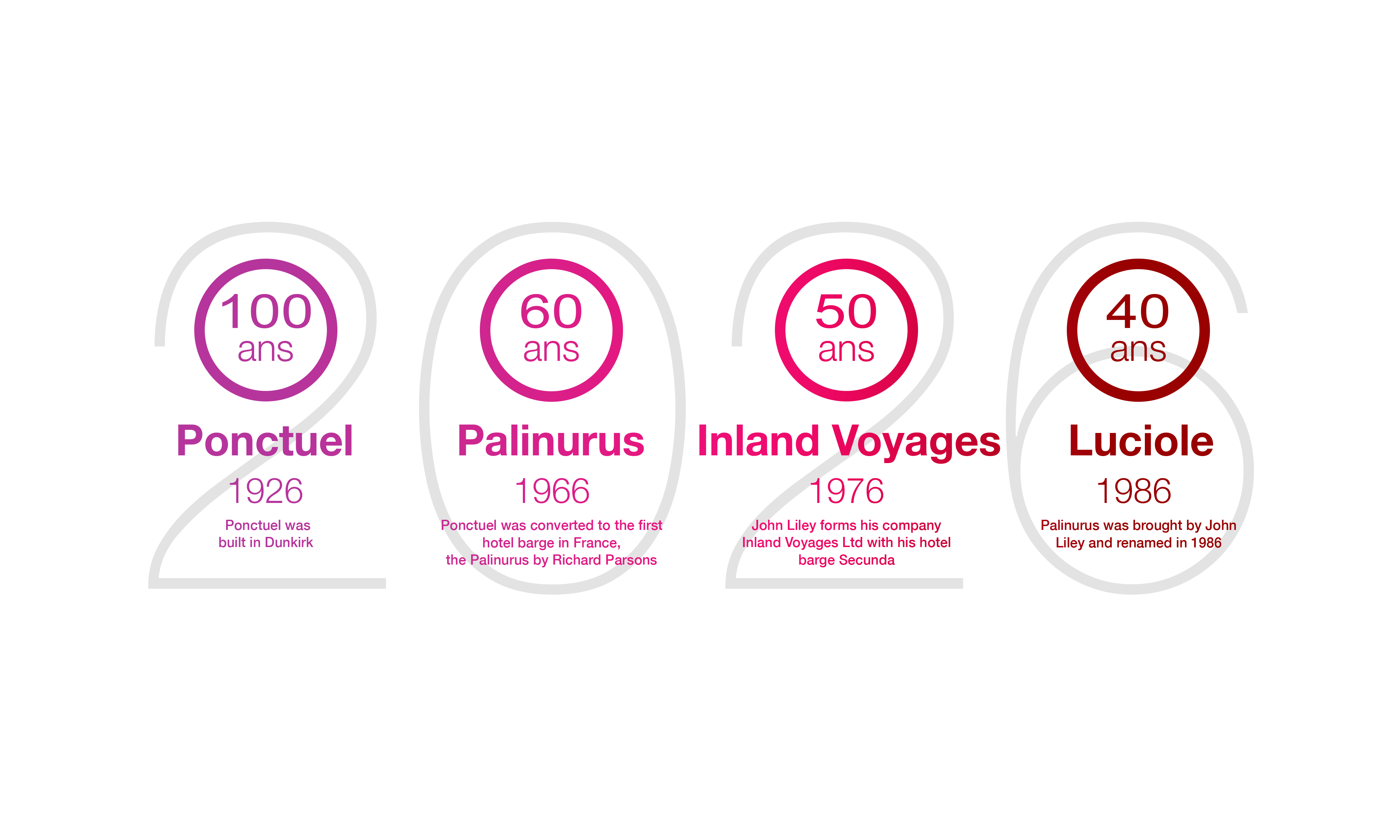
100 years of history
1926–2026 — A century on the waterways
2026 marks 100 years since Luciole was built. From her beginnings as a working freight barge in northern France to her role in the early days of hotel barging, her story spans a century of remarkable change. Discover the people, places and transformations that have shaped Luciole, as well as the family who have cared for her for more than forty years.
Quick links to sections:
1926 — Ponctuel
1926 — Shipbuilding
1966 — Palinurus
Richard Parsons
1985–1986 — Transformation
John Liley
2000 — Refit
Penny Liley
2010–2026 — Modernisation
Will Liley
Saloon evolution
1926 — Ponctuel
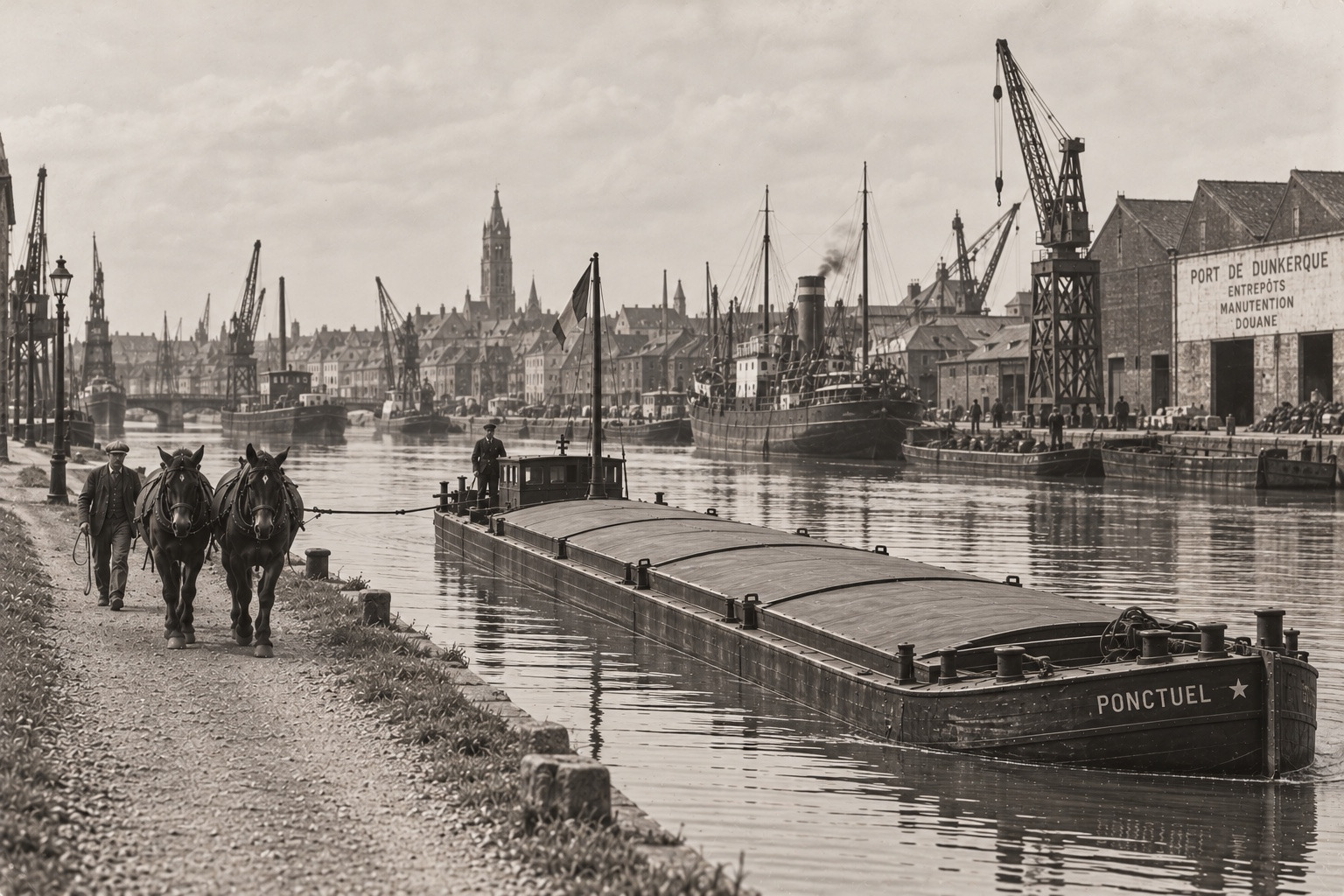
From mule-drawn freight barge to the foundations of today’s Luciole
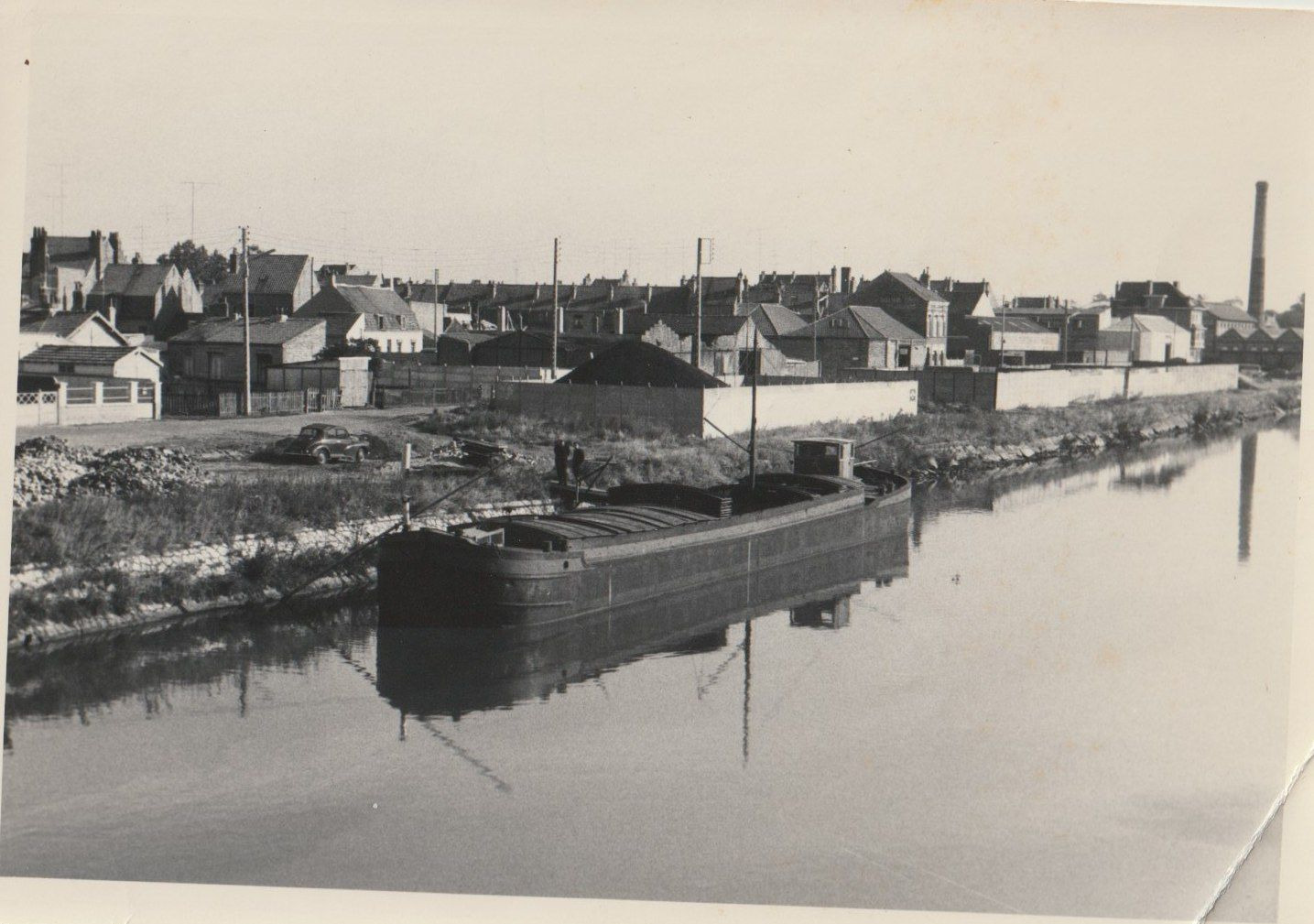
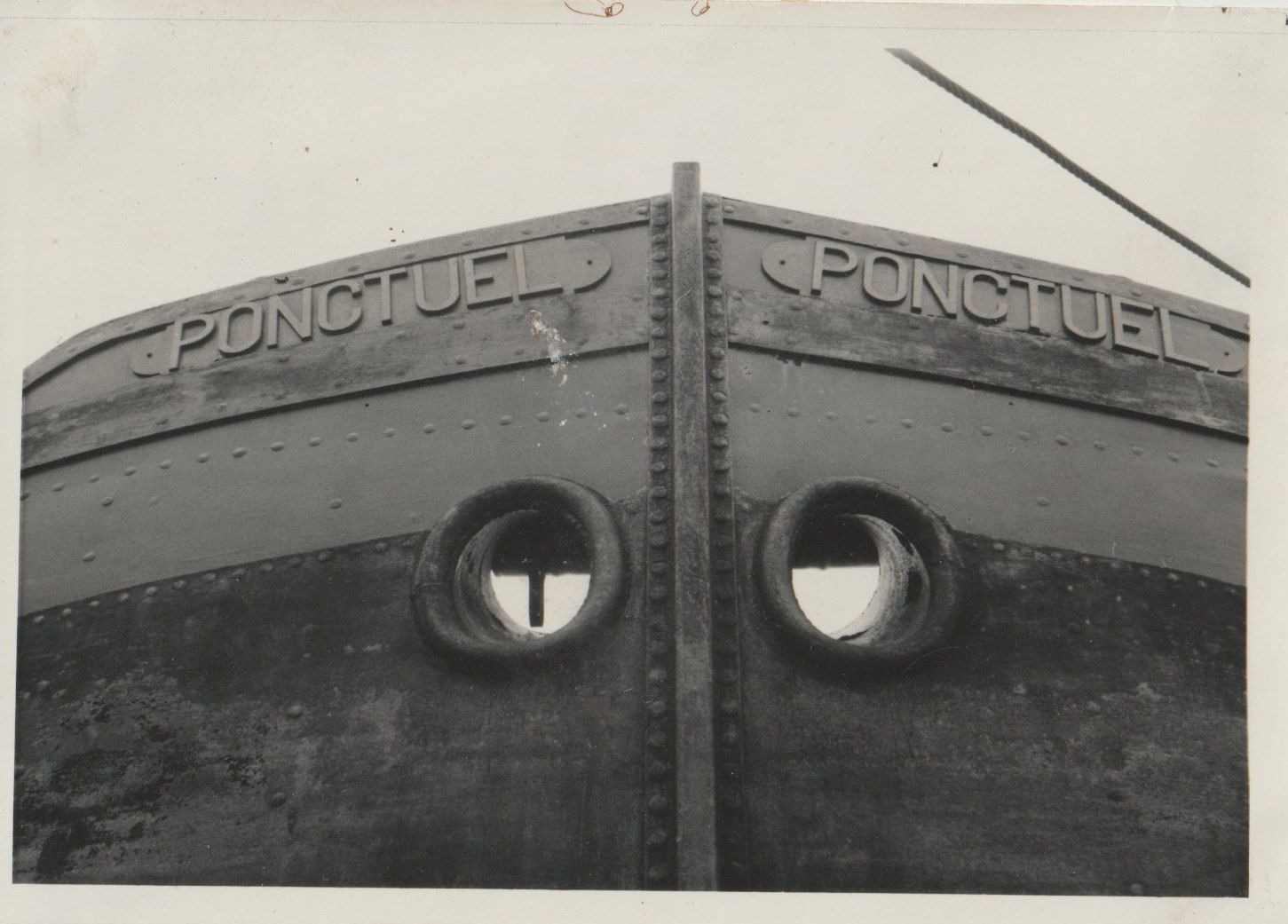
Luciole began life in 1926 as Ponctuel, a working freight barge built at the Chantiers de Petite-Synthe, near Dunkirk.
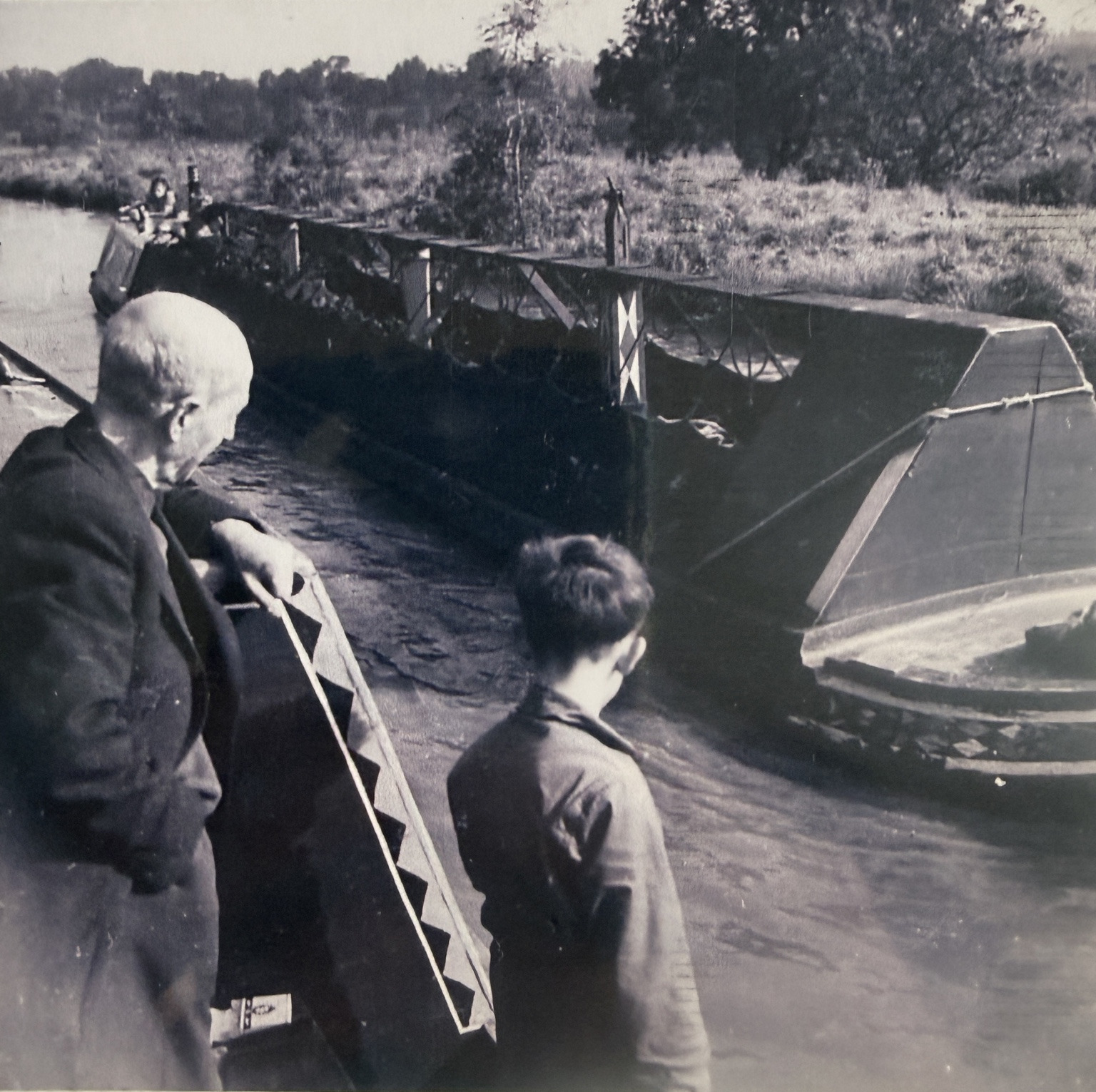
At 30.6 metres long and 5.05 metres wide, she was built to carry heavy cargo, particularly coal, through the French canal network. Like many working barges of the period, she had a relatively lightweight steel hull to maximise her cargo capacity. The hull had a slight concave shape that allowed it to flex and straighten under a full load, while its straight sides maximised the space available for cargo.
Ponctuel was considerably shorter than the standard 38-metre commercial barges. Richard Parsons later recalled that she carried the remaining cargo at each port but, through an informal agreement among the boatmen, was still paid for a full load.
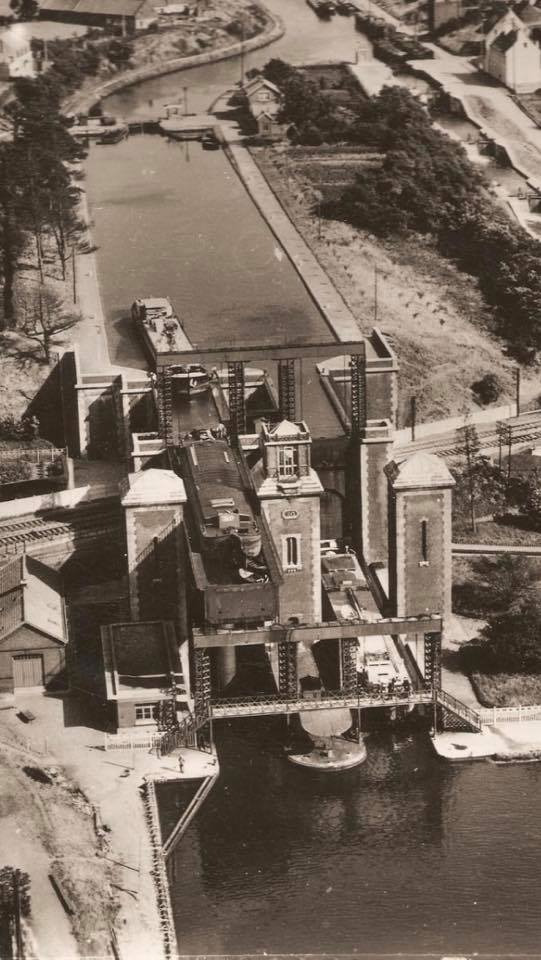
Ponctuel was built without an engine and was originally hauled along the canals by mules walking on the towpath. When she was later motorised, her stern was strengthened to accommodate the engine and propeller. Rather than rebuilding the stern completely, the engineers incorporated a propeller tunnel into the existing hull. This changed her handling, as she was now propelled from the stern rather than pulled from ahead.
Fully laden, Ponctuel would have sat remarkably low in the water. Empty freight barges rode high in the water, whereas fully laden vessels sat so low that water could wash across their side decks.
Today, Luciole sits at a carefully controlled depth, but for a different reason. Her conversion to a hotel barge added an entirely new deck above the original hull, including the saloon and other superstructure, greatly increasing her height above the water. Ballast is therefore used to lower the vessel sufficiently to pass beneath the canal bridges. This requires a careful balance: too little ballast leaves her too high to pass beneath the bridges, while too much increases her draught in the increasingly shallow, silted Canal du Nivernais.
1926 — Shipbuilding
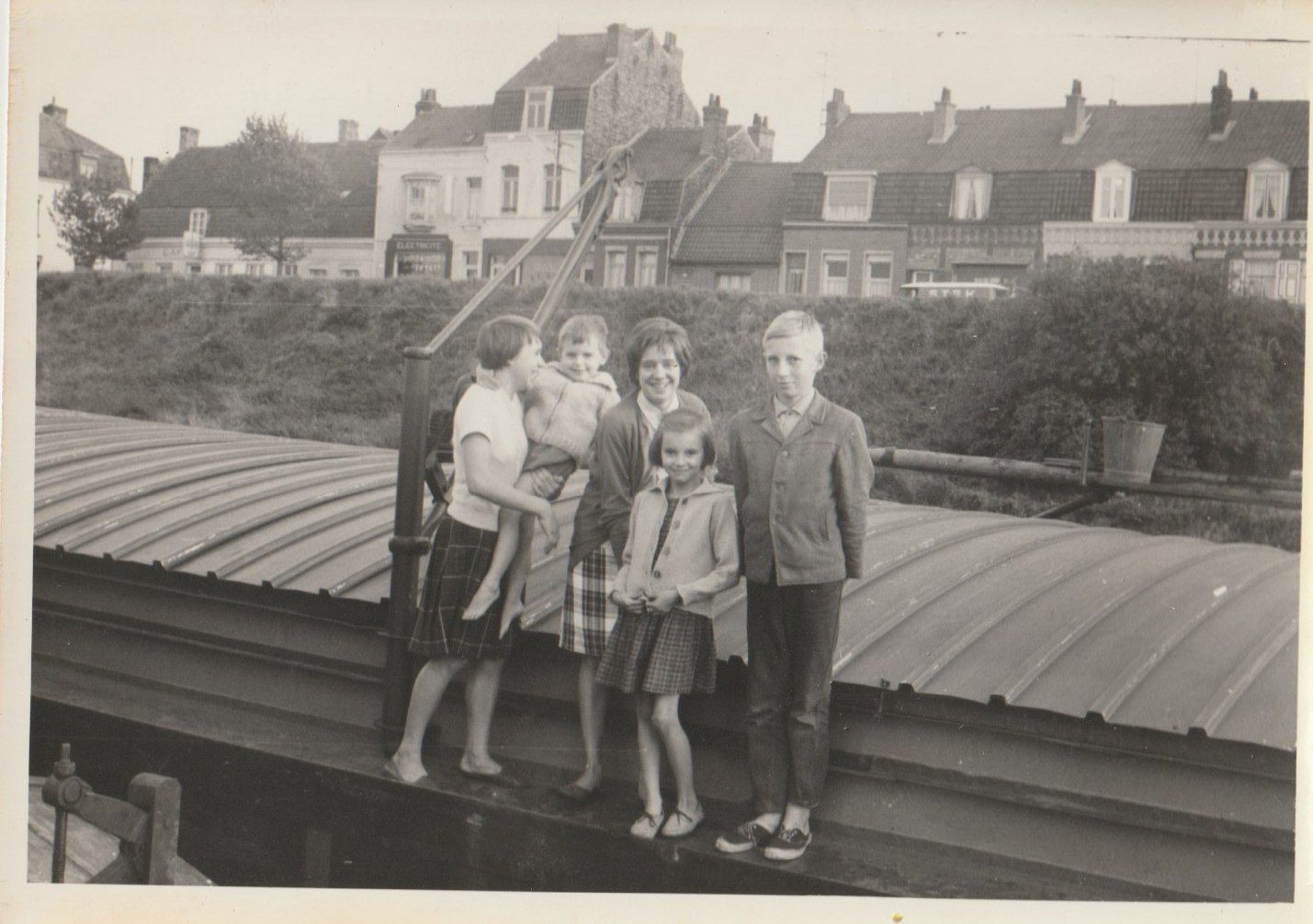
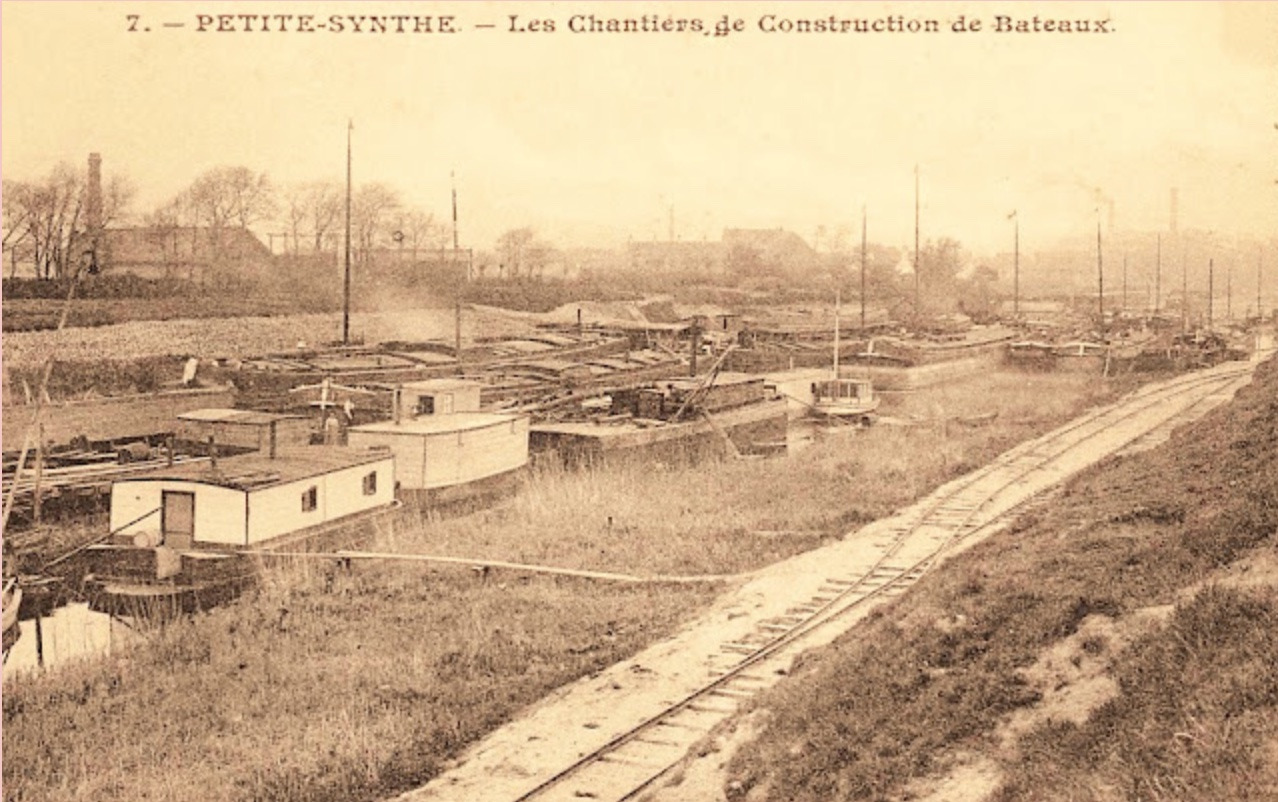
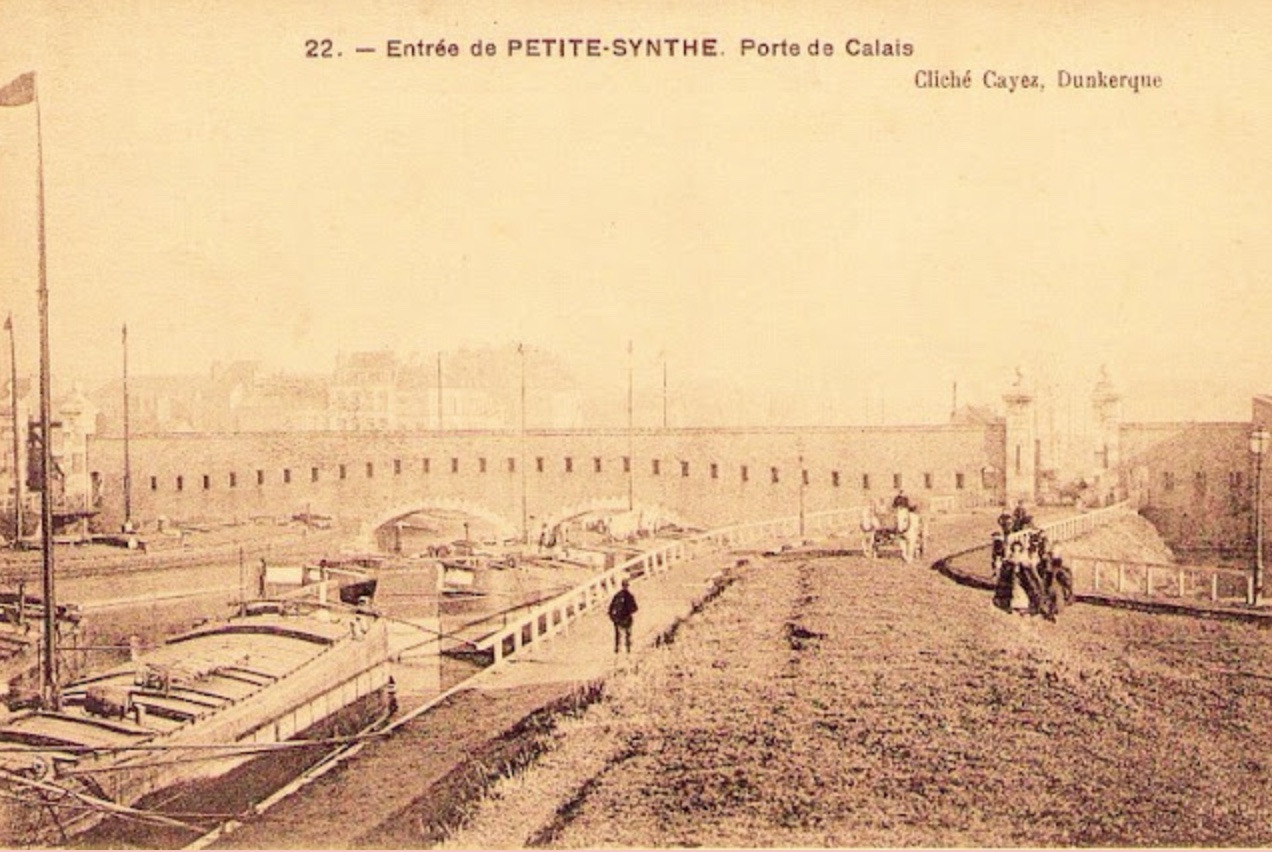
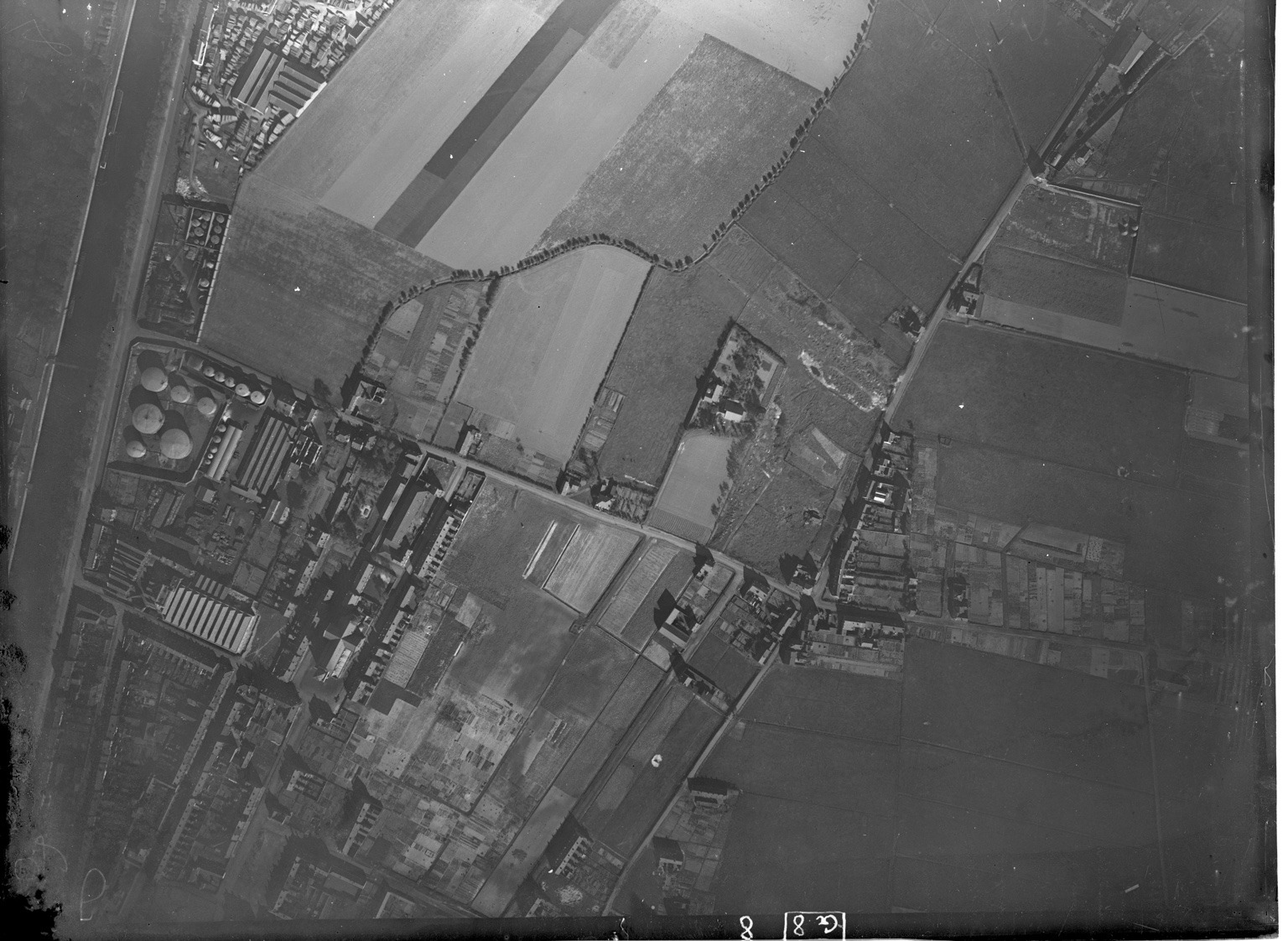
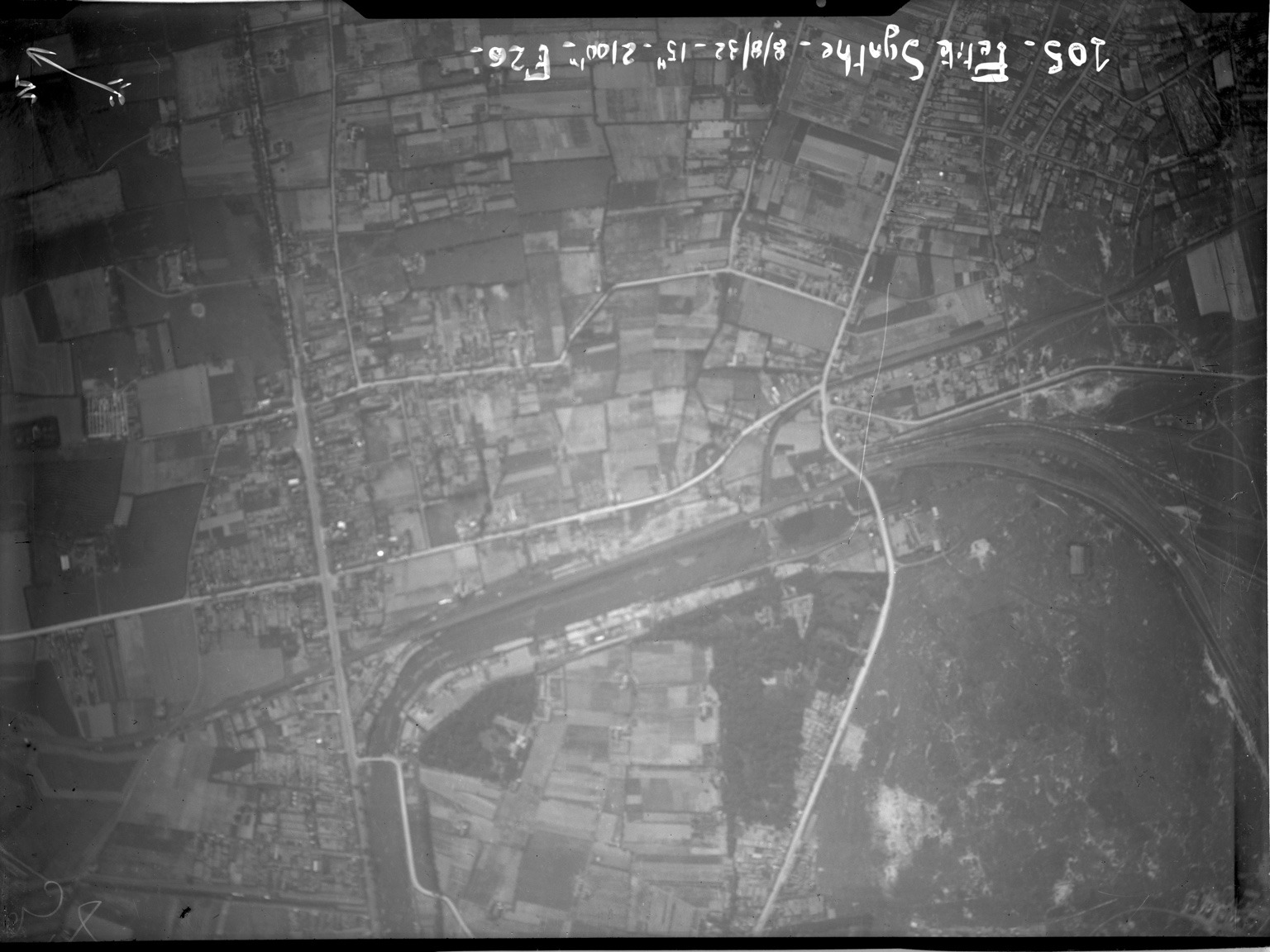
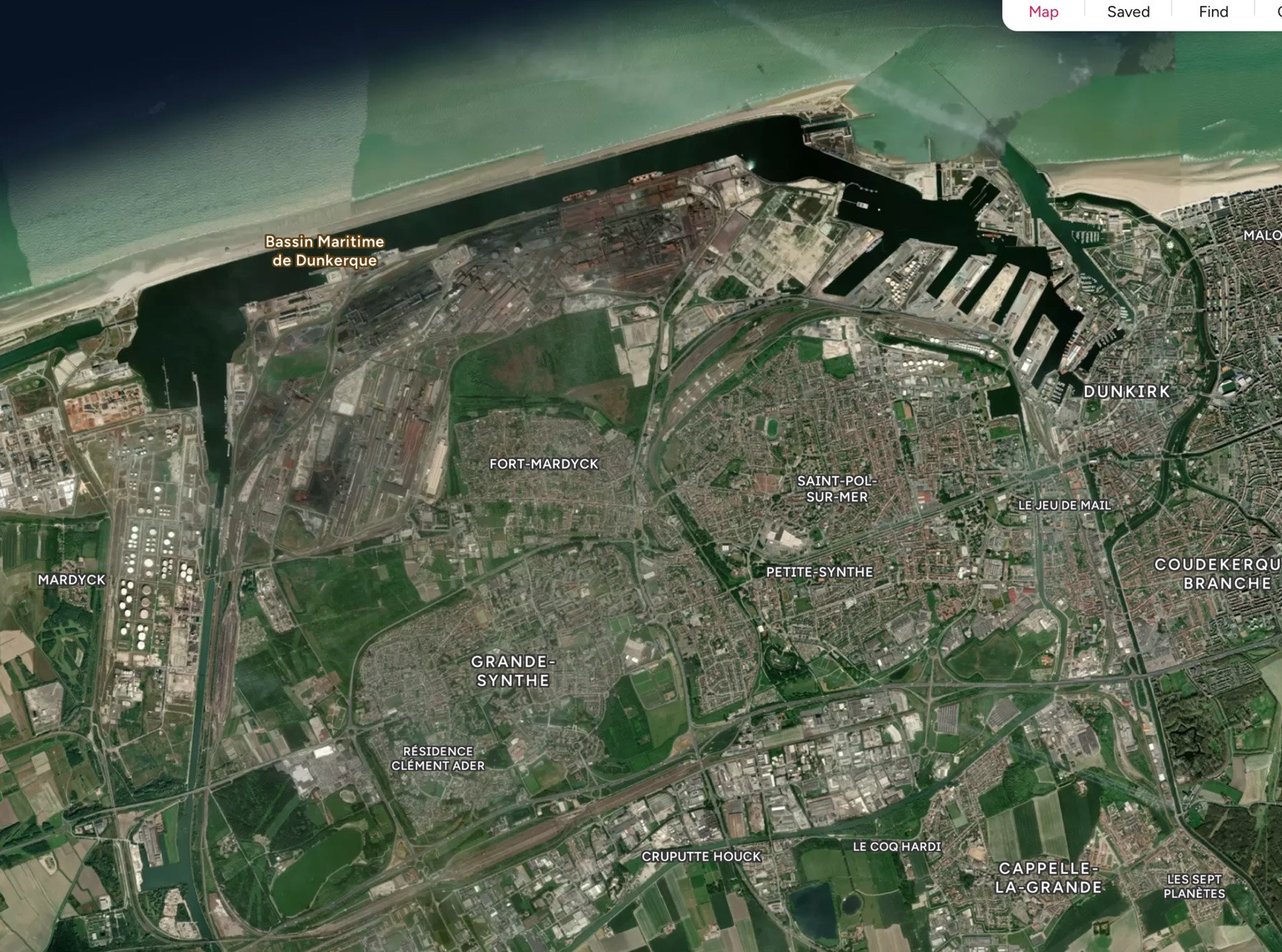
The industrial shipyards near Dunkirk where Ponctuel was built
Ponctuel was built in 1926 at the Chantiers de Petite-Synthe, near Dunkirk in northern France, a region with a long history of industry and maritime trade.
Following the First World War, Petite-Synthe became an important centre for steel construction and inland boatbuilding. The shipyards were strategically positioned beside the Canal de Bourbourg, providing direct access to the waterways serving the coalfields and industrial towns of northern France.
In 1925, the engineering companies Carel & Fouché and Venot Peslin established the Société des Ateliers des Deux-Synthe, which began operating in 1926 — the very year Ponctuel was built. The works specialised in steel construction, including freight barges, railway equipment and industrial machinery.
The boatbuilding industry expanded rapidly. By 1929, the Ateliers des Deux-Synthe were described as France’s largest inland-waterway vessel construction works, employing hundreds of workers during the interwar years. The factory even had its own neighbouring housing development for workers and their families.
1966 — Palinurus
Richard Parsons transforms a working barge and pioneers hotel cruising in France
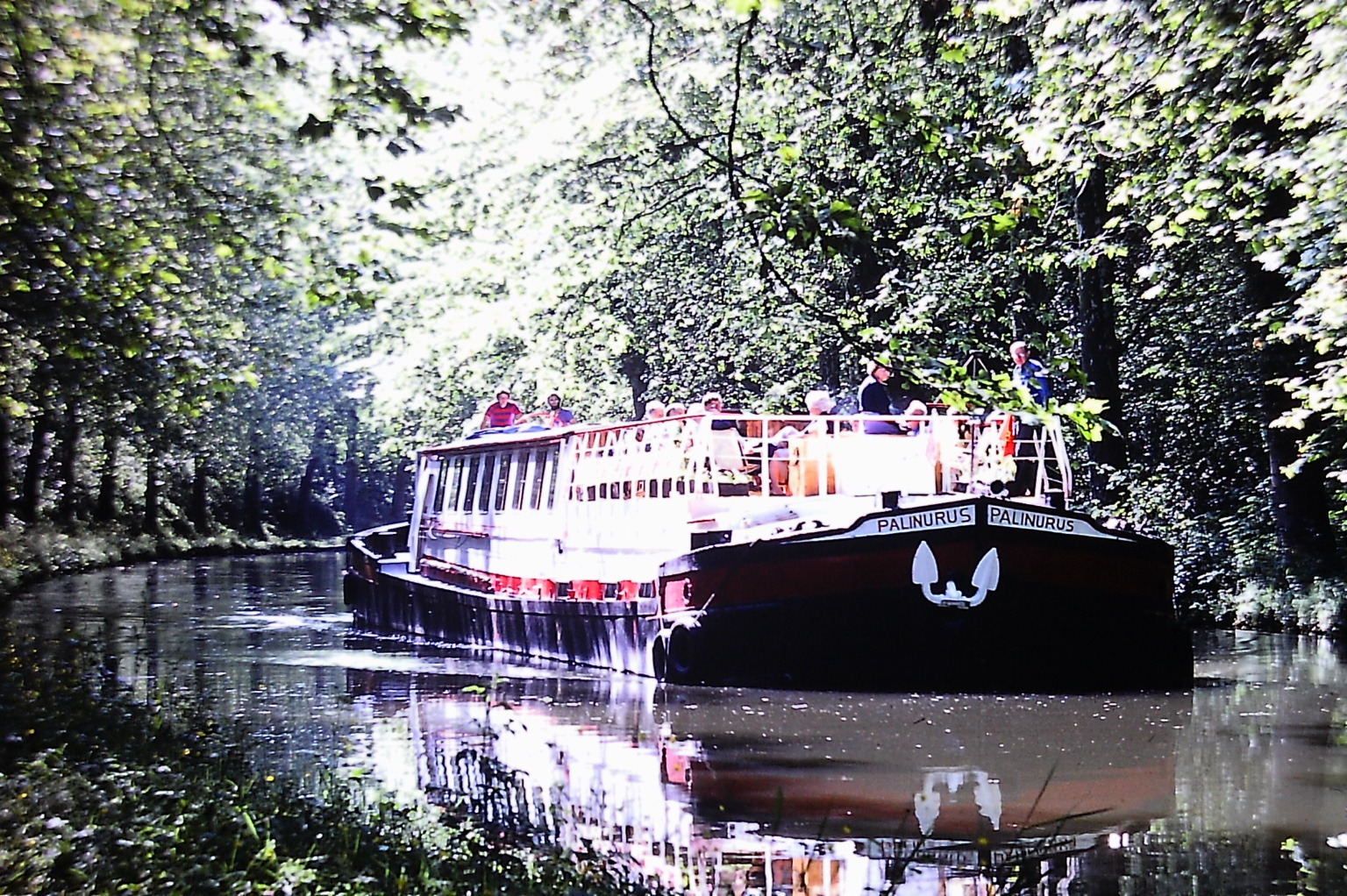
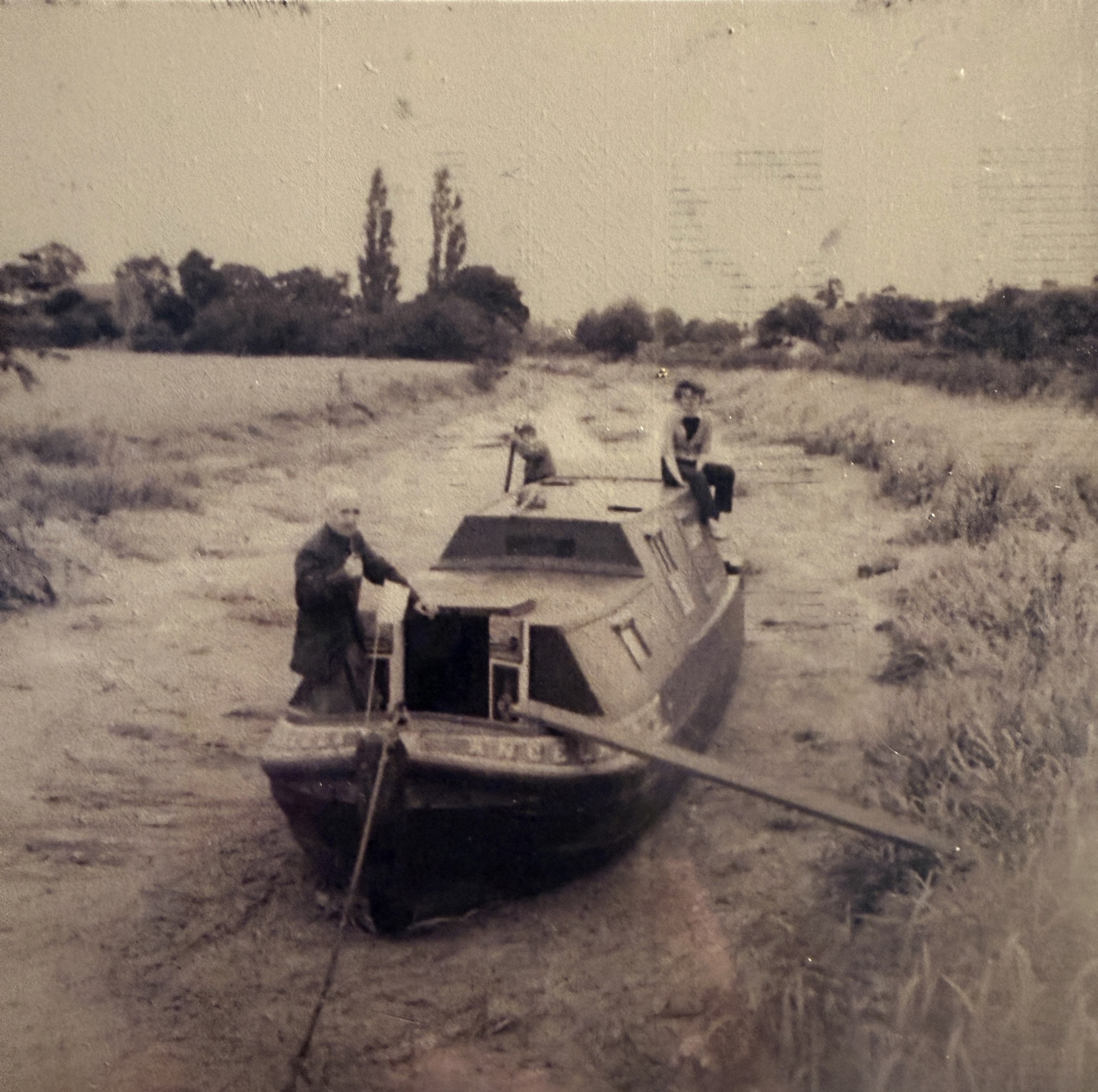
In 1966, Ponctuel began an extraordinary new chapter when Richard Parsons and his brother purchased her with the ambition of converting a working cargo barge into a vessel for leisurely cruises along the French waterways.
With the help of Monsieur Derumeaux at his shipyard in Saint-Omer, Richard converted the former commercial vessel into Palinurus, which he describes as the first hotel barge in France.
At a time when commercial barges were still a familiar sight on the canals, the idea of welcoming holidaymakers aboard one was remarkably innovative. Richard helped introduce a new way of experiencing France, combining leisurely travel with the beauty and tranquillity of its inland waterways.
His pioneering work helped establish an industry that continues today and has introduced generations of travellers to a less familiar side of France.
We owe Richard an enormous debt of gratitude, both for giving our vessel a new purpose and for helping to create the hotel-barging industry that has become such an important part of our own lives.
Richard has written a fascinating account of these early adventures in Parlons Canal. Rather than retell his stories, we encourage readers to discover them in his own words.
Richard Parsons’ Recollections:
Palinurus:
The Beginning Palinurus:
Cruising in Burgundy
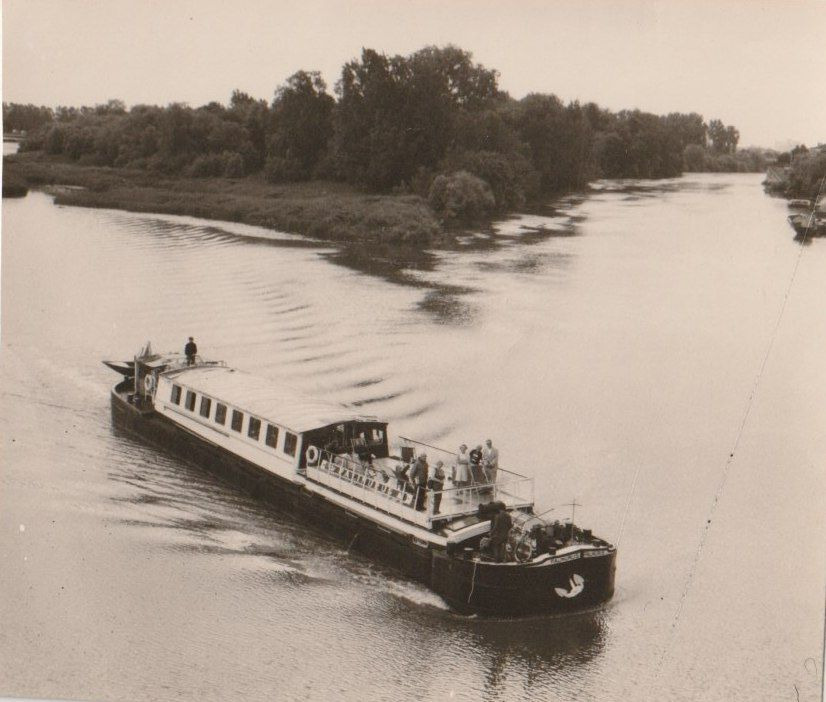
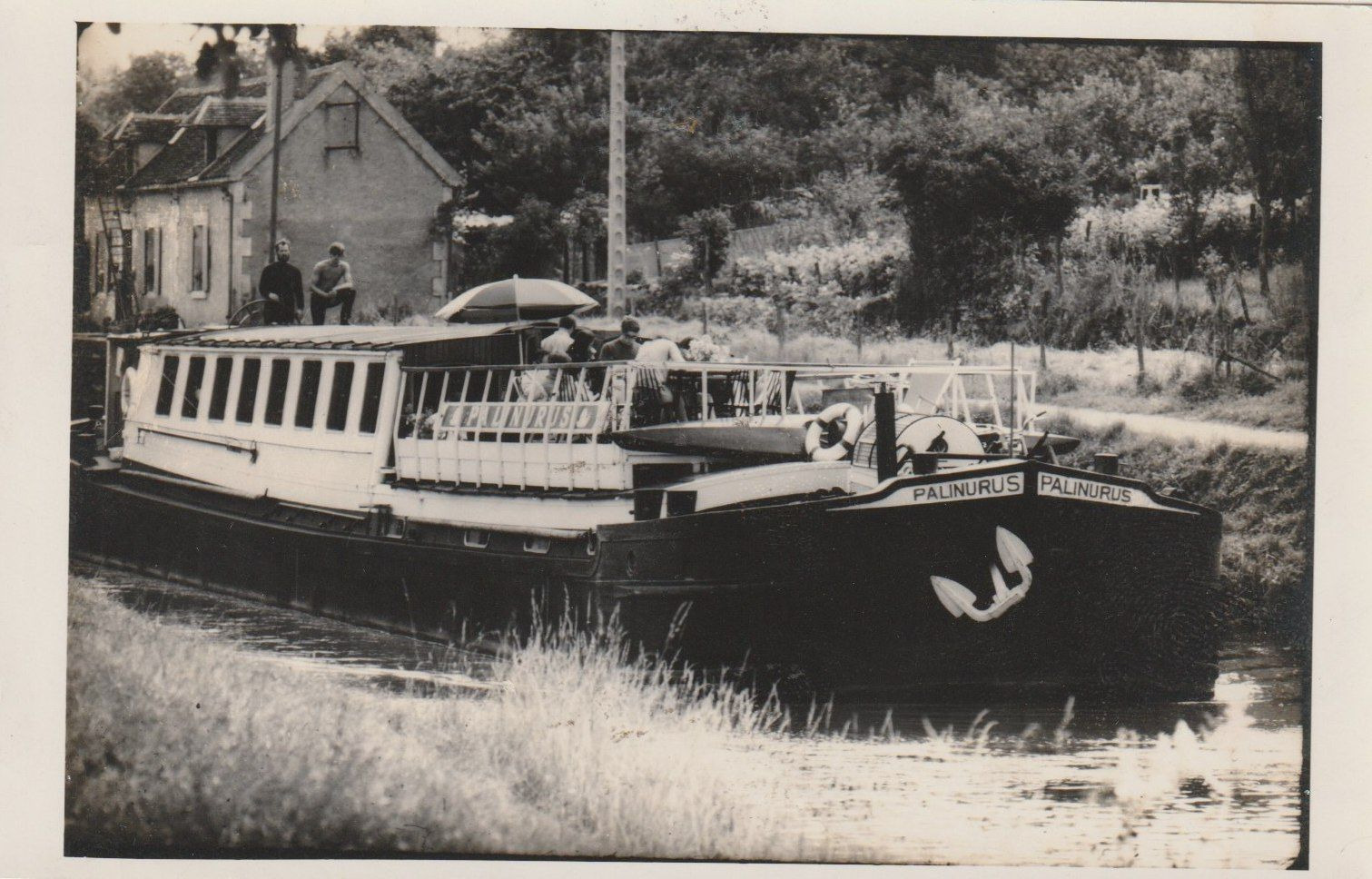
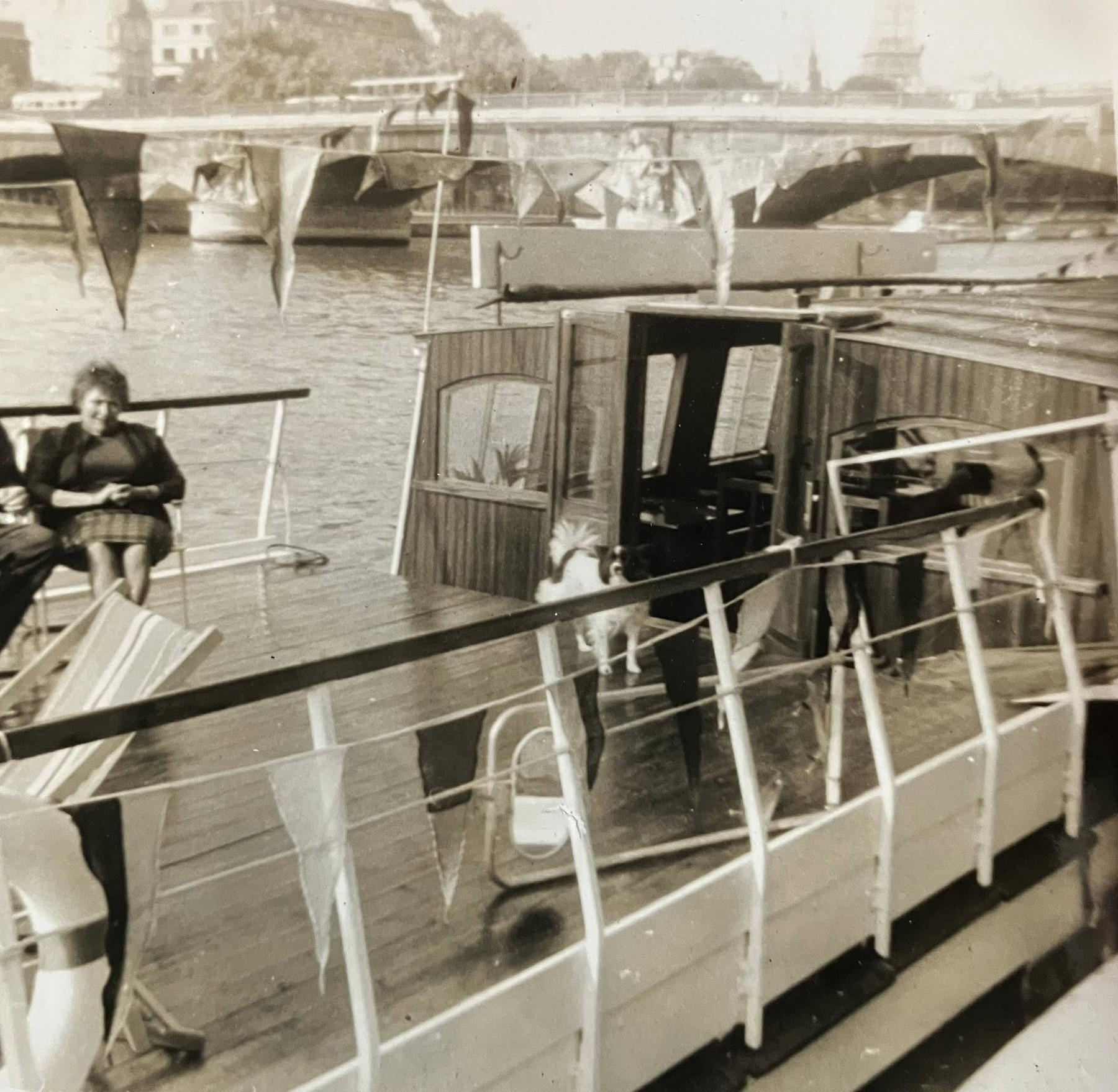
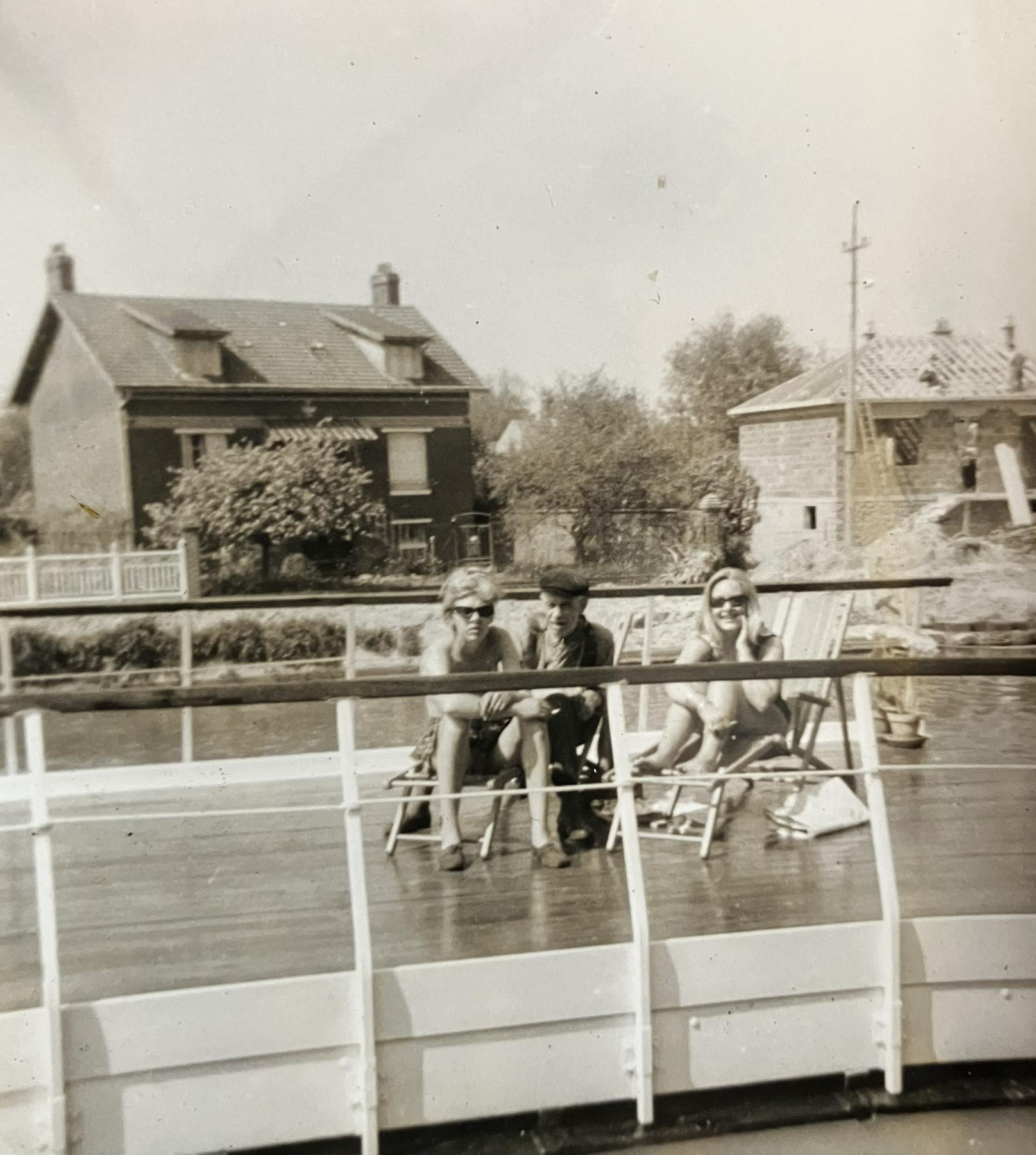
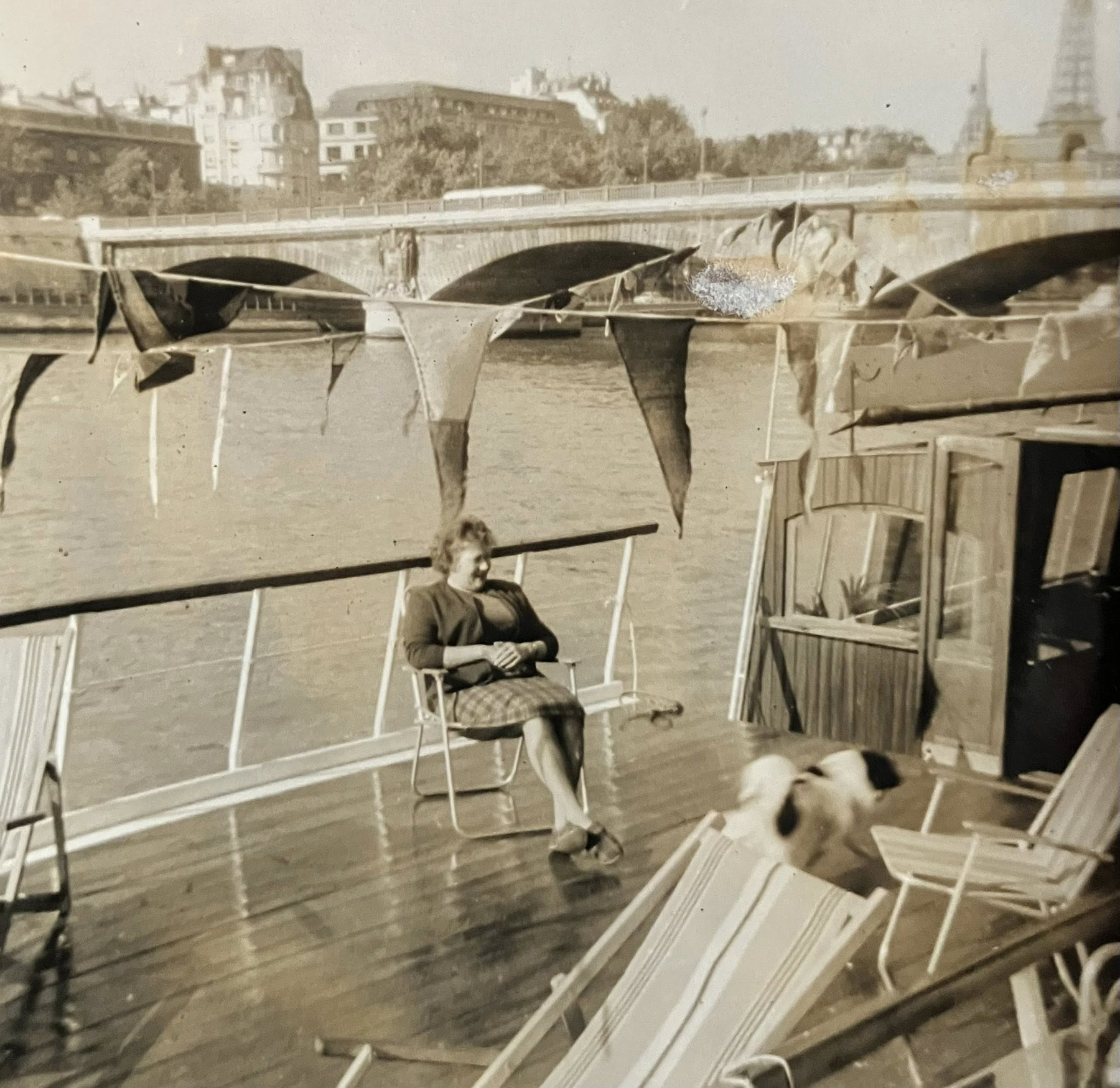
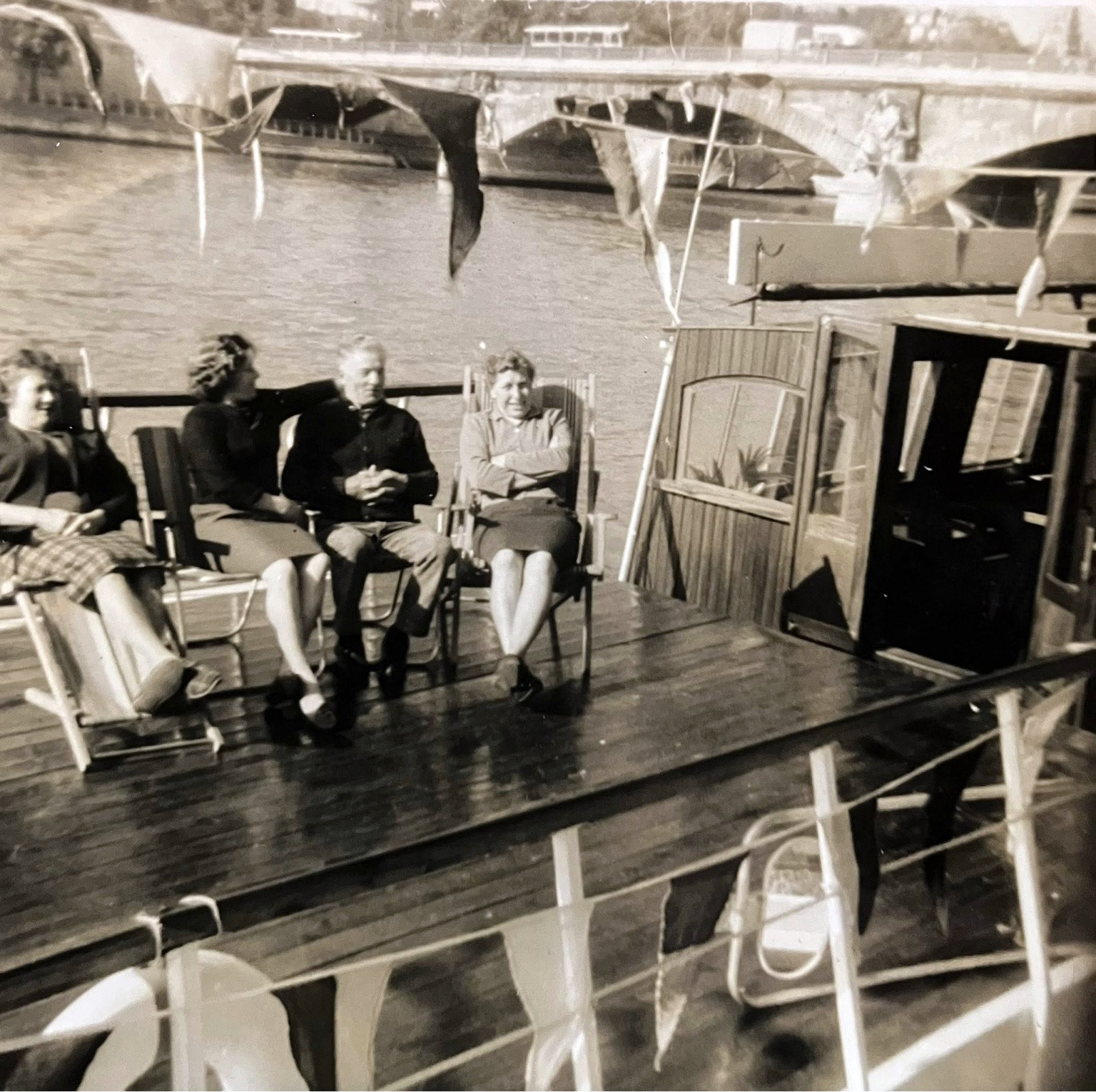
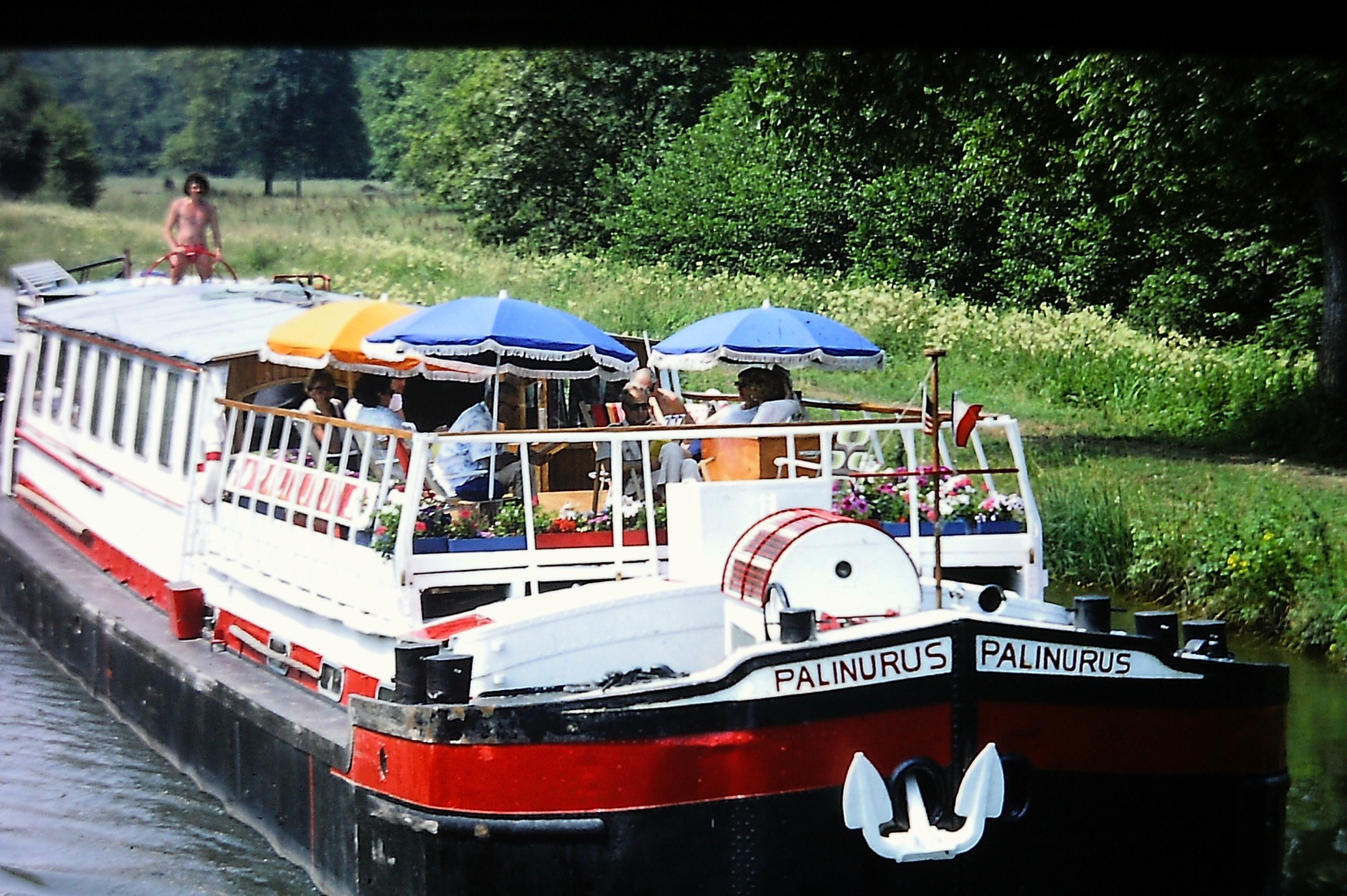
Richard Parsons
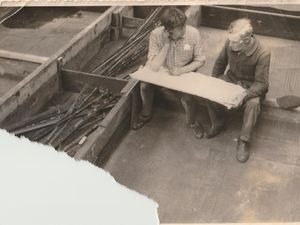
The journalist and entrepreneur whose vision helped establish hotel barging
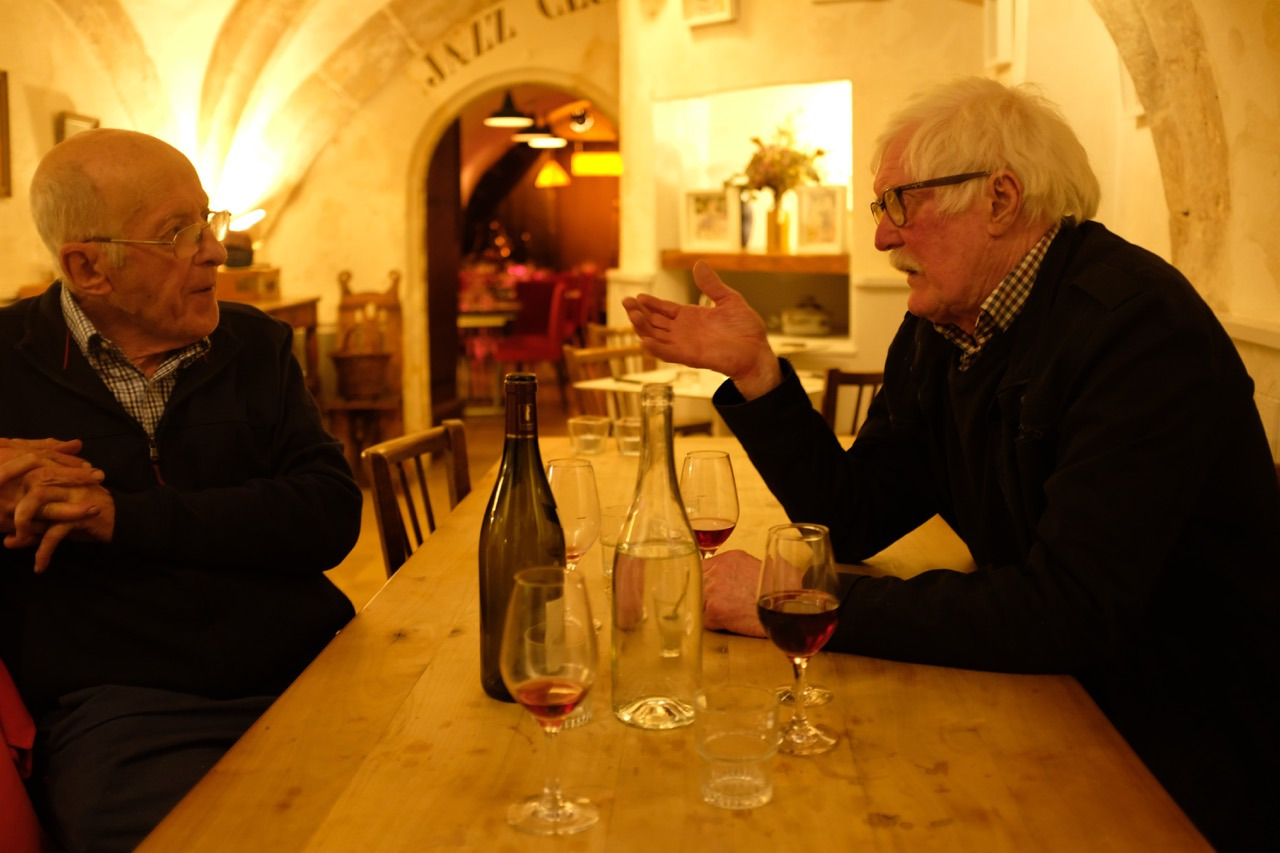
Before establishing the hotel-barge industry, Richard Parsons worked as a journalist, including a period with Reuters. His enthusiasm for inland waterways led him to explore the canals of Britain and France and to recognise the potential for a new kind of holiday.
In 1966, Richard and his brother purchased Ponctuel and converted her into Palinurus, pioneering hotel-barge cruising in France. That single-vessel venture eventually grew into Continental Waterways, which operated a fleet of hotel barges across France.
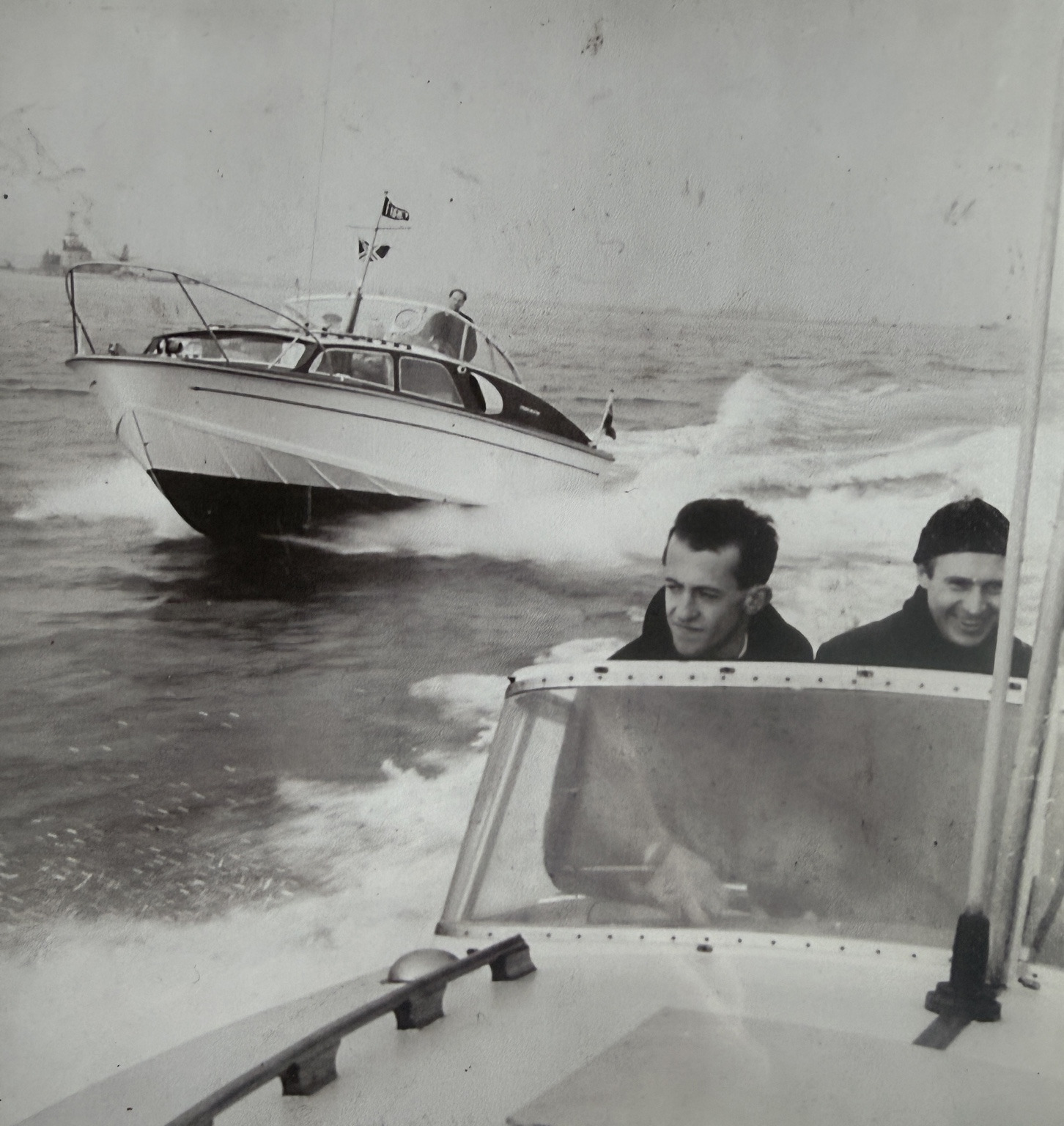
Through this venture, Richard met John Liley, then an editor at Motor Boat & Yachting, whom he approached seeking publicity for his unusual new enterprise. Their shared interest in the waterways developed into a lasting friendship. John would eventually establish his own hotel-barge business.
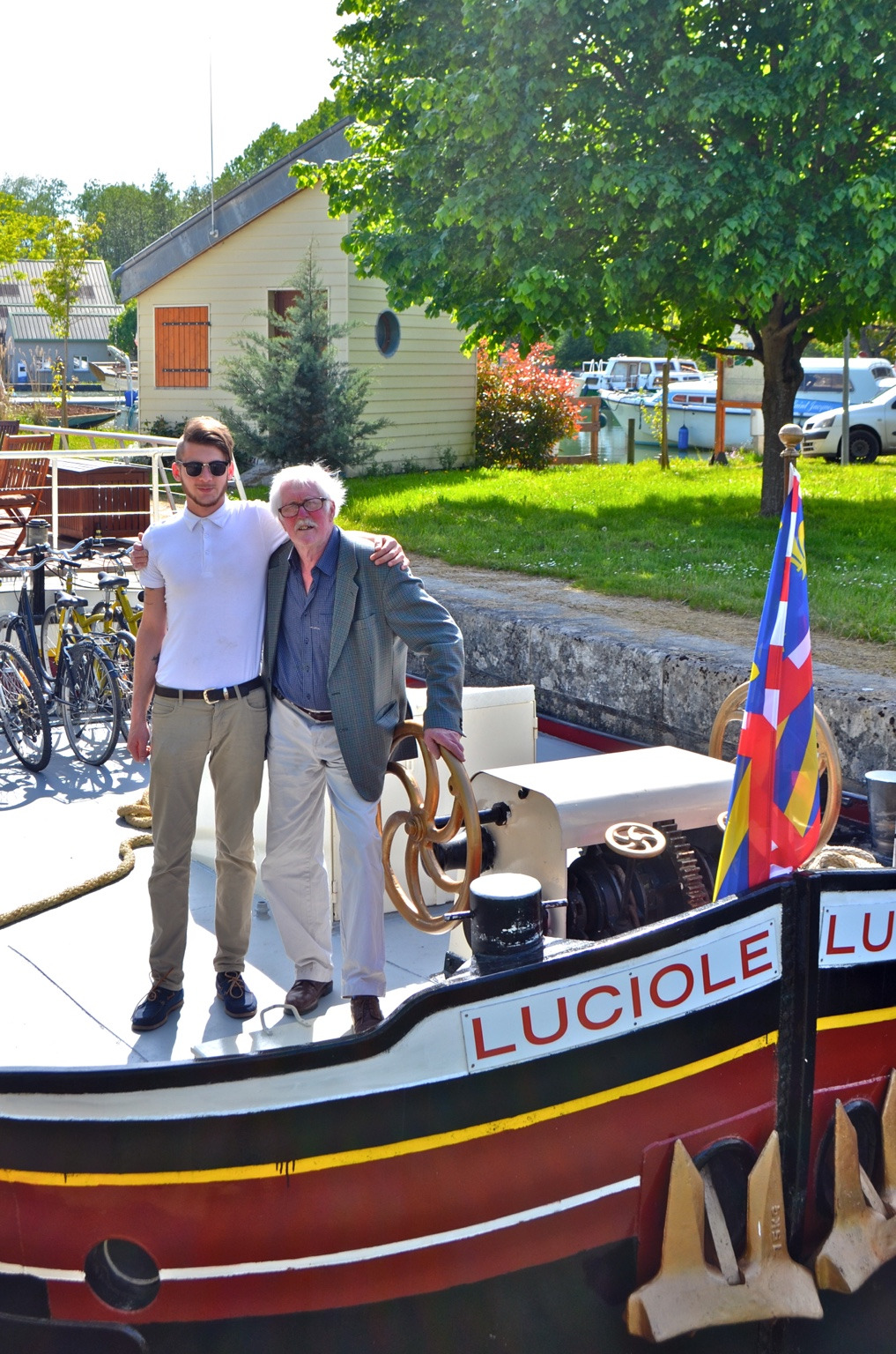
Richard has remained a close friend of the Liley family, returning to Luciole over the decades. We owe him an enormous debt of gratitude for helping to create an industry that has become such an important part of our family's lives.
1985–1986 — Transformation
The Liley family acquires Palinurus and rebuilds her as Luciole
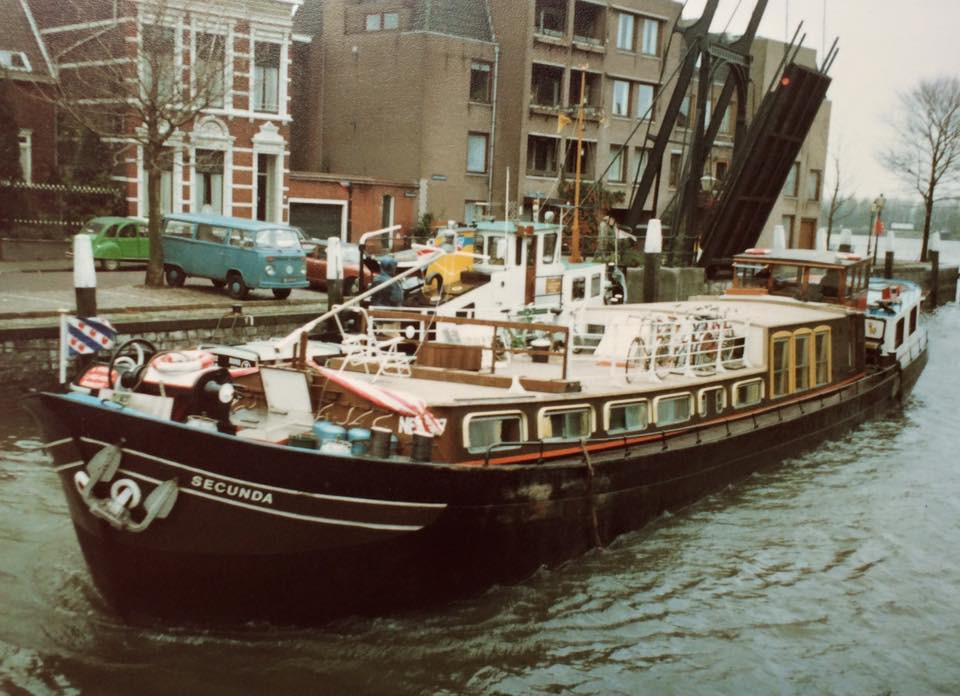
John Liley had established Inland Voyages in 1976, having purchased and converted the Dutch barge Secunda into a floating hotel. She became the company's first hotel barge, introducing passengers to the quieter waterways of France and laying the foundations of the family business.
Meanwhile, Richard Parsons' pioneering venture had developed into Continental Waterways, operating an expanding fleet of hotel barges across France. As the business expanded and acquired additional vessels, Palinurus, the barge on which Richard's remarkable venture had begun, became available for purchase.
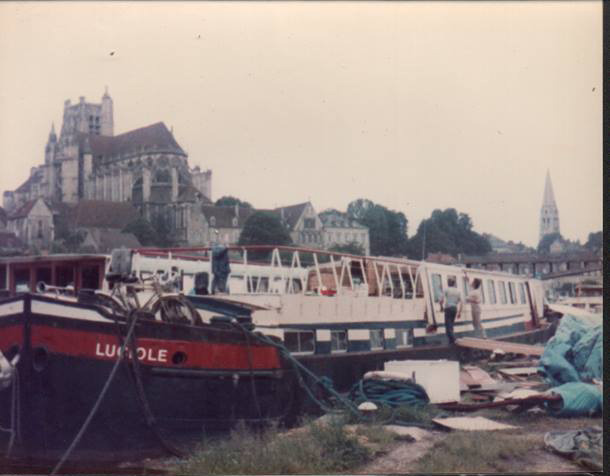
In 1985, Inland Voyages acquired Palinurus, bringing together two stories that had first intersected nearly twenty years earlier, when Richard approached John to write about his ambitious new venture. By then, both men had played their own part in the development of hotel barging, and the purchase marked an important new chapter for Inland Voyages.
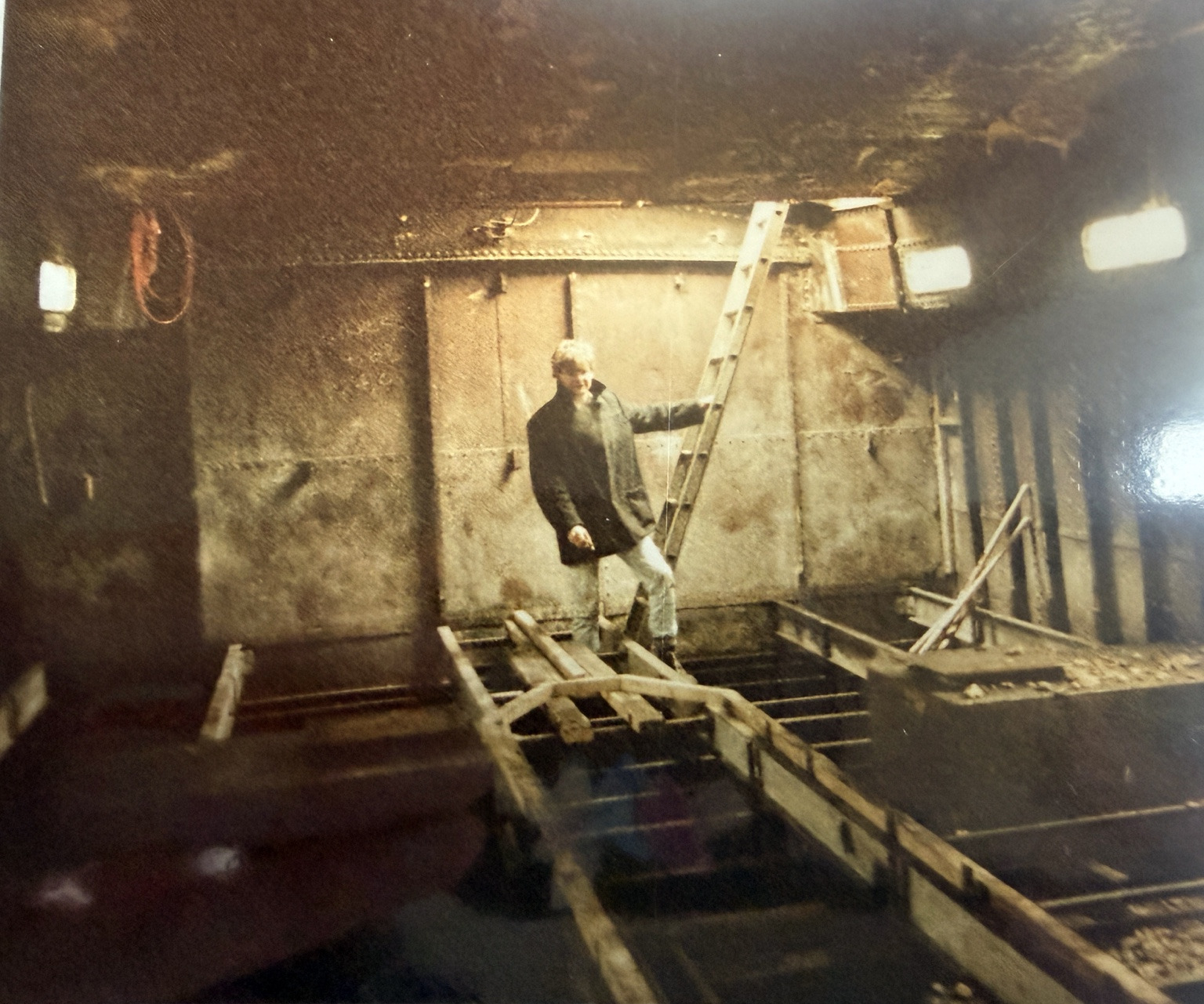
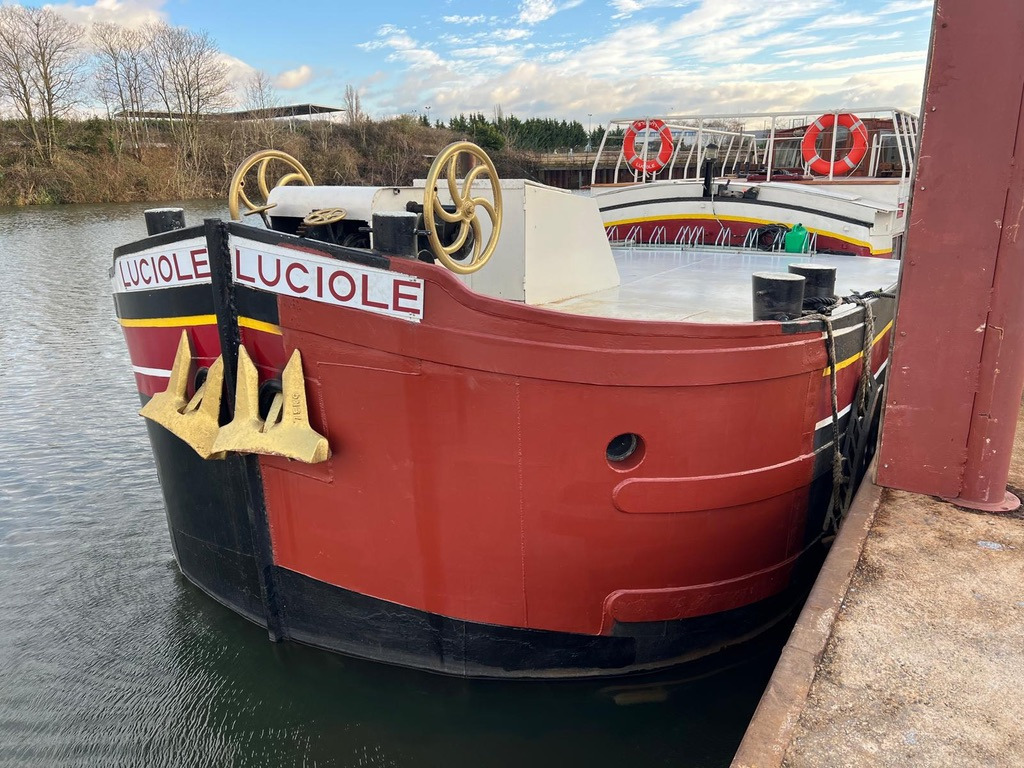
Renamed Luciole, meaning firefly in French, the vessel was to undergo a substantial transformation. Although already operating as a hotel barge, her existing accommodation was designed for 22 passengers, with bunk-bedded cabins and just two shared bathrooms. John saw an opportunity to offer something different: a more comfortable, personal cruising experience for just twelve guests.
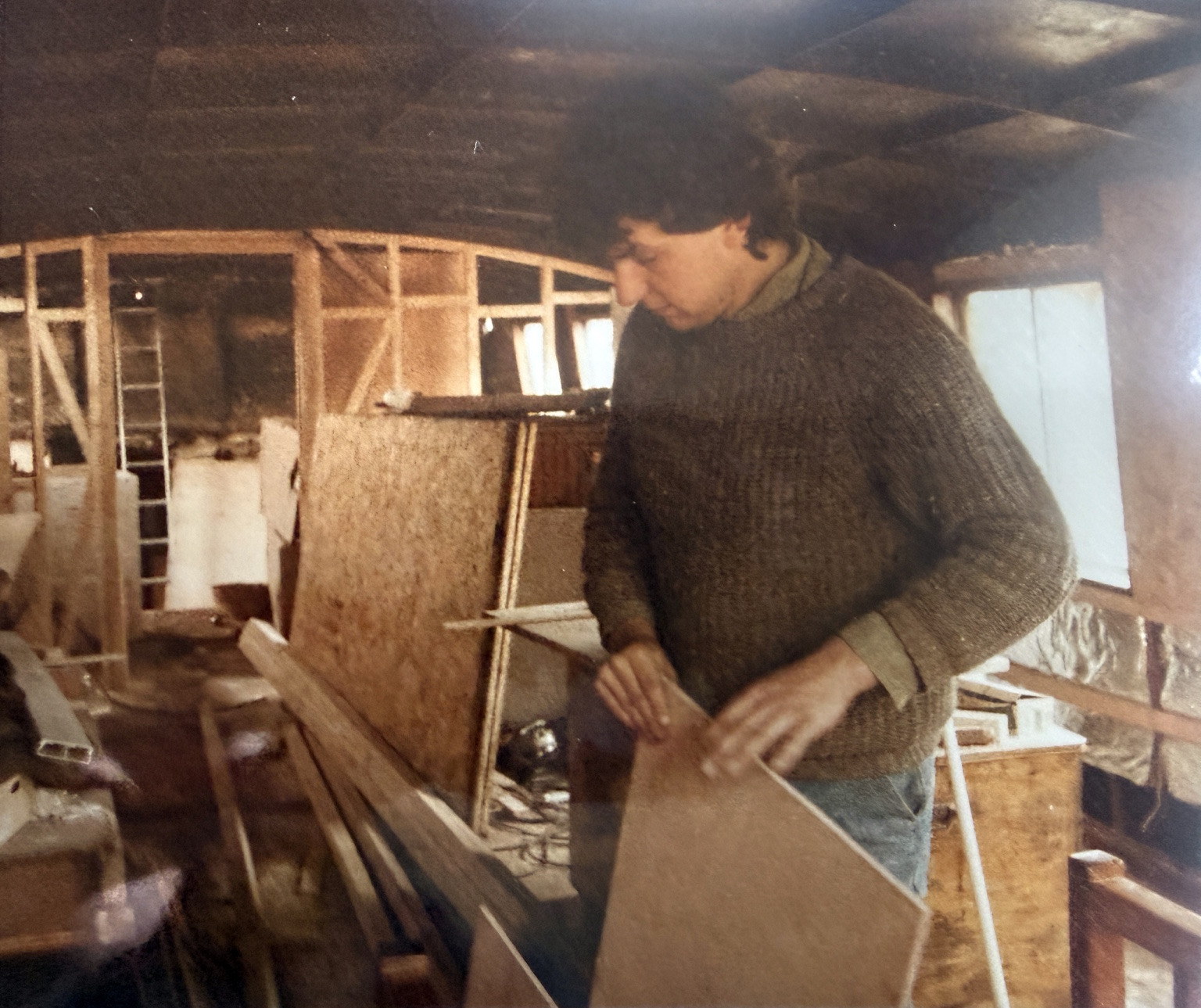
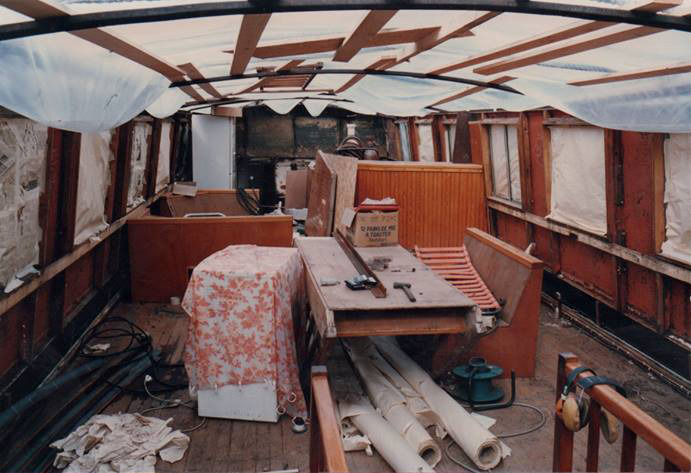
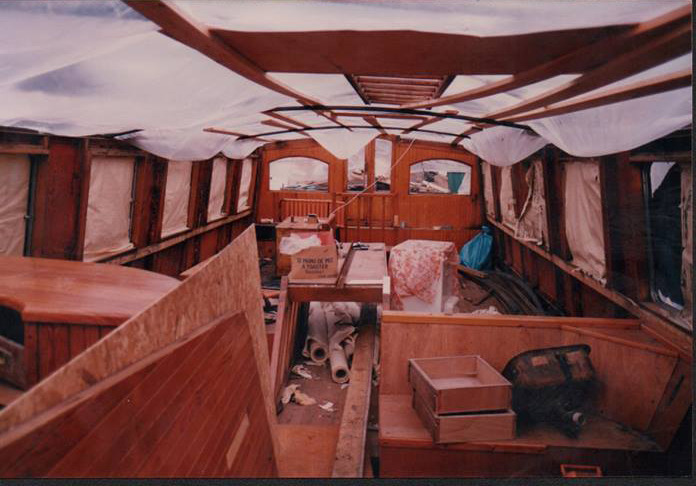
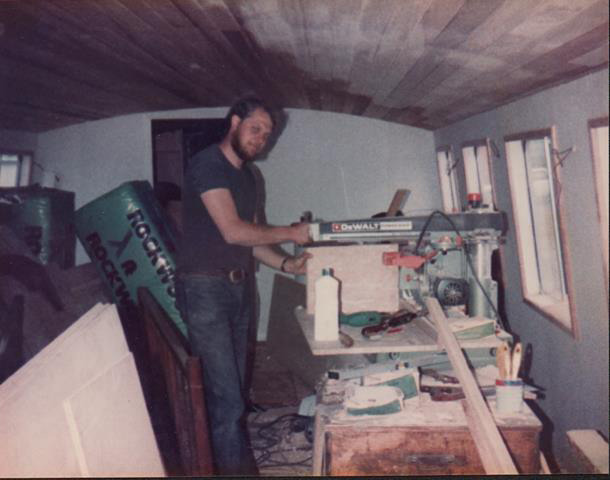
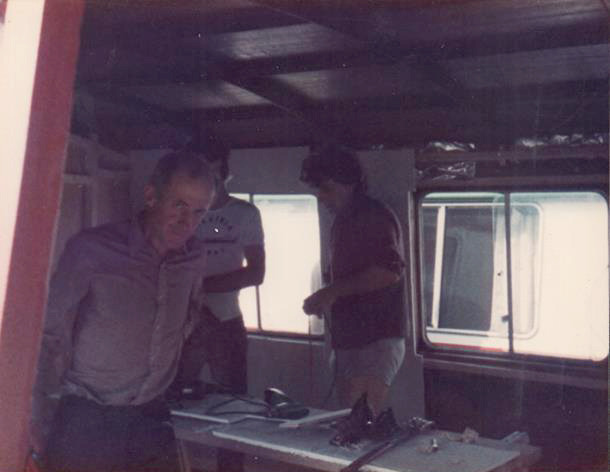
Working with his brother, an architect, John undertook an extensive redesign of the vessel's lower deck. The original passenger accommodation was stripped out and replaced with eight larger cabins, each with its own en-suite bathroom. Working within the confines of the existing hull required careful planning to make the best use of the available space.
The design incorporated freshwater and blackwater tanks, plumbing and the many other essential services required for a fully equipped hotel barge. All of these had to fit without compromising the vessel's balance, stability or shallow draught, which were essential for navigating Burgundy's smaller canals.
Above deck, the saloon roof was raised to create a more spacious communal area where passengers could relax, dine and enjoy the passing scenery.
The rebuilding took place with Secunda moored alongside, providing accommodation for those working on the conversion. The project went beyond refurbishing an existing hotel barge: it fundamentally rethought the use of space to provide greater comfort.
By 1986, the transformation had established the essential character of Luciole as she is known today: an intimate hotel barge carrying just twelve passengers, with generous communal spaces and individual en-suite accommodation.
The longevity of John's original design is particularly telling. Despite numerous refurbishments, improvements and major engineering projects over the following four decades, the fundamental eight-cabin arrangement remains in place. Much of that planning continues to serve the vessel today, reflecting the thought and care invested in her transformation.


John Liley
From waterways journalist to founder of Inland Voyages
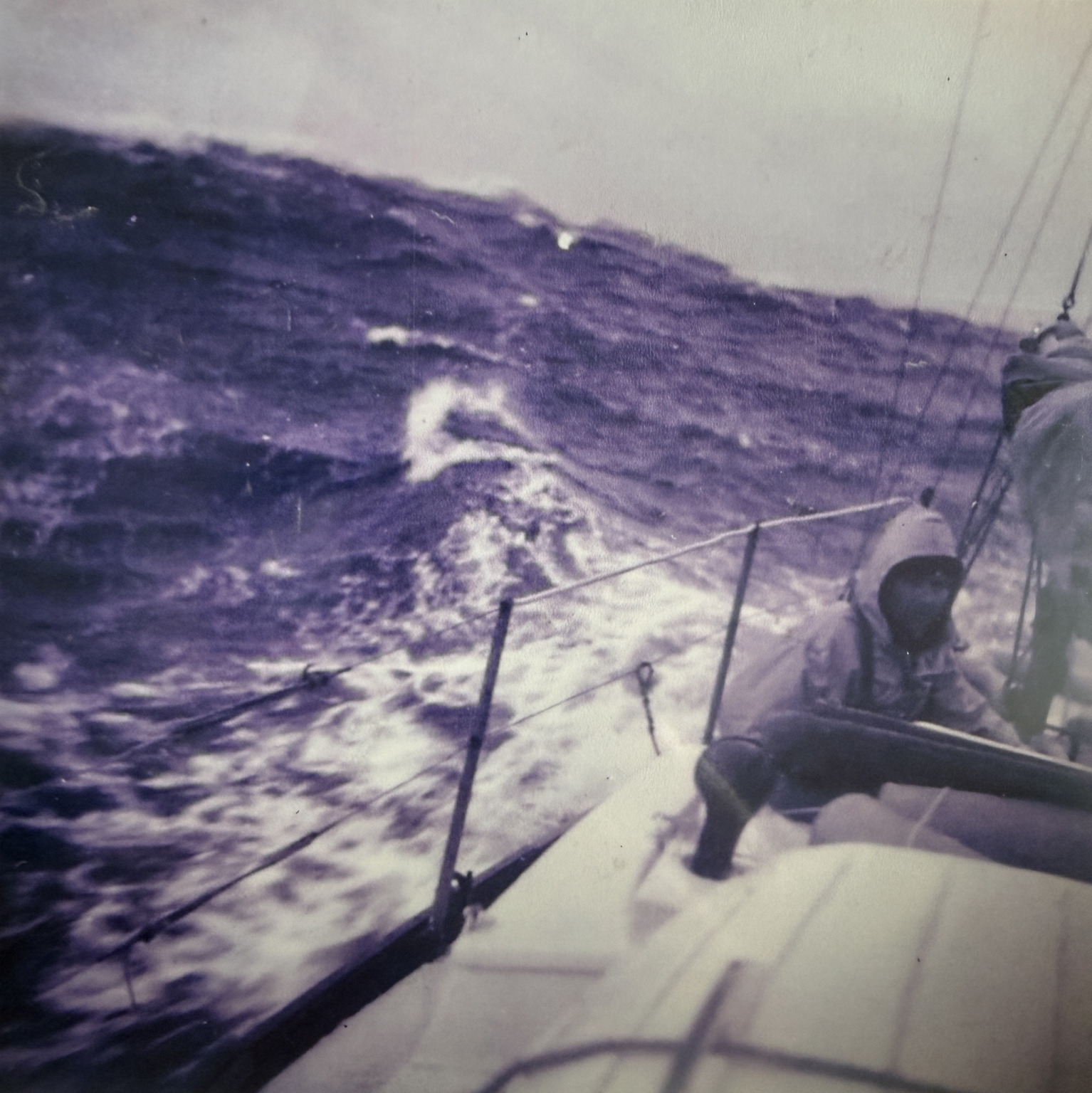
John Liley's fascination with inland waterways began during childhood holidays exploring Britain's canals, at a time when such holidays were highly unusual and much of the network was falling into decline.
As an editor at Motor Boat & Yachting, John challenged the magazine's traditional focus on motor yachts, choosing wherever possible to champion canals and inland waterways. He also became involved in efforts to preserve Britain's neglected canals, contributing to their survival.
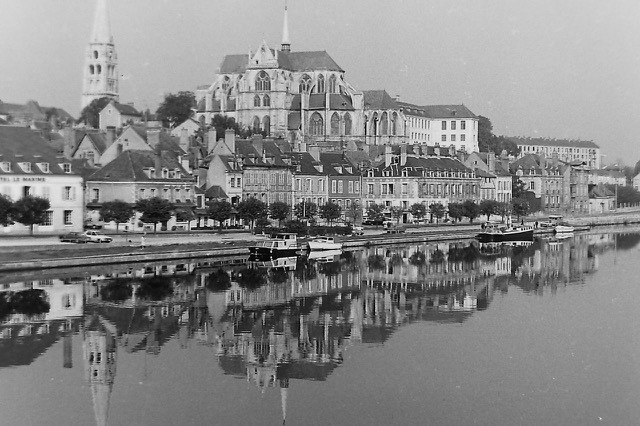
It was through his journalism that he met Richard Parsons, who approached him seeking publicity for his pioneering hotel-barge venture in France. John needed little persuasion and enthusiastically accepted the opportunity to visit France and write about Richard's unusual new enterprise.
Their shared enthusiasm developed into a lasting friendship and helped inspire John's own ambitions. In 1976, John established Inland Voyages, initially operating the hotel barge Secunda. Nine years later, Inland Voyages acquired Richard's original vessel, Palinurus, renaming her Luciole and beginning the next chapter in her remarkable history.
2000 — Refit
New steel hull protection, a Perkins engine and renewed machinery
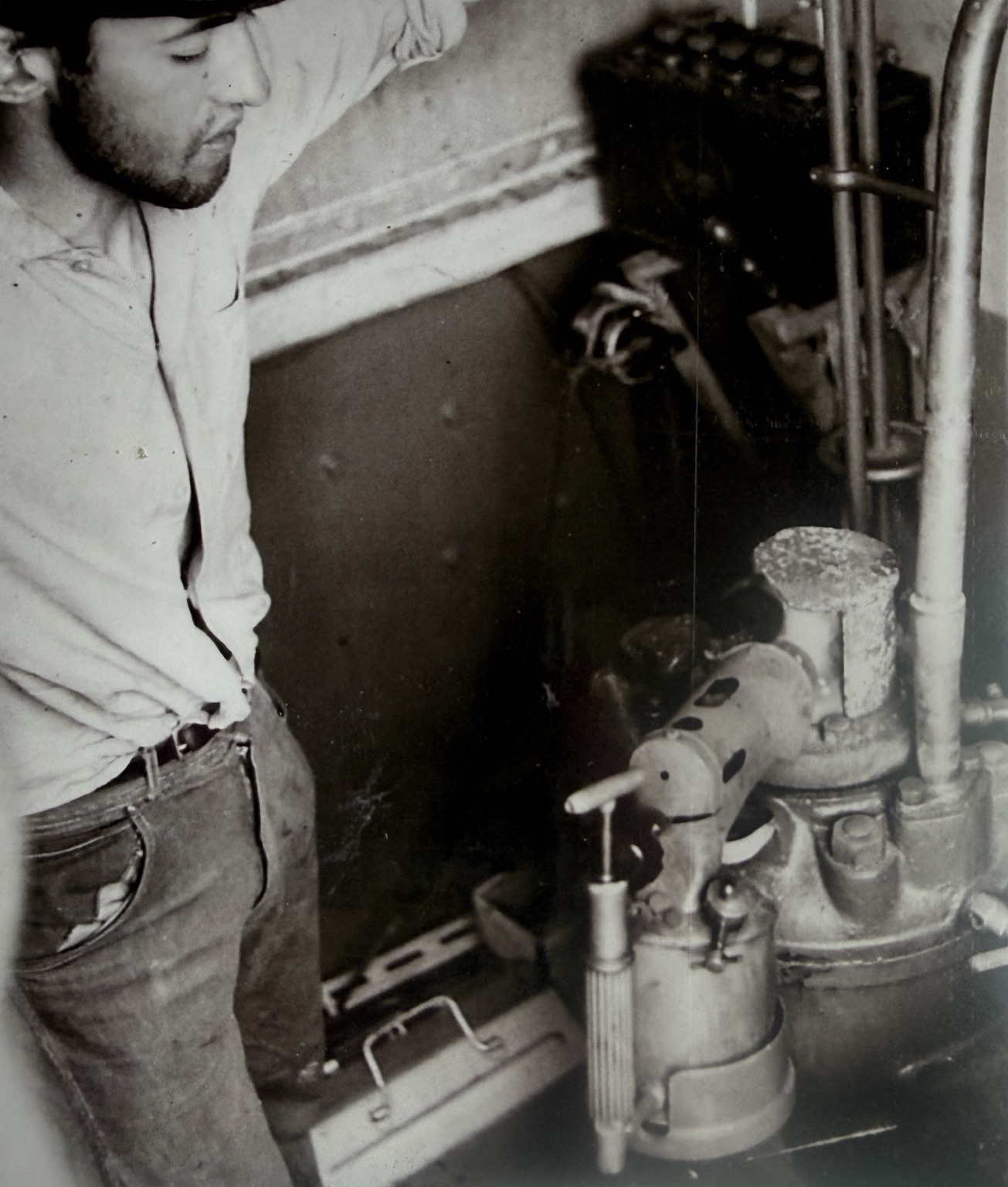
In 2000, Luciole underwent a major structural refit. Her entire underwater hull was doubled with new steel plating that extended above the waterline. This provided additional protection and reinforcement while preserving the original 1926 hull beneath.
The same refit saw the installation of a new Perkins M130C diesel engine, which remains in service today, alongside new generators and other improvements to the vessel's machinery.
Although much of this work is hidden beneath the waterline or inside the engine room, it was a substantial investment in Luciole's future. It reflects a continuing commitment to maintaining and modernising the historic vessel so that she remains safe, reliable and well suited to carrying passengers on the French waterways.
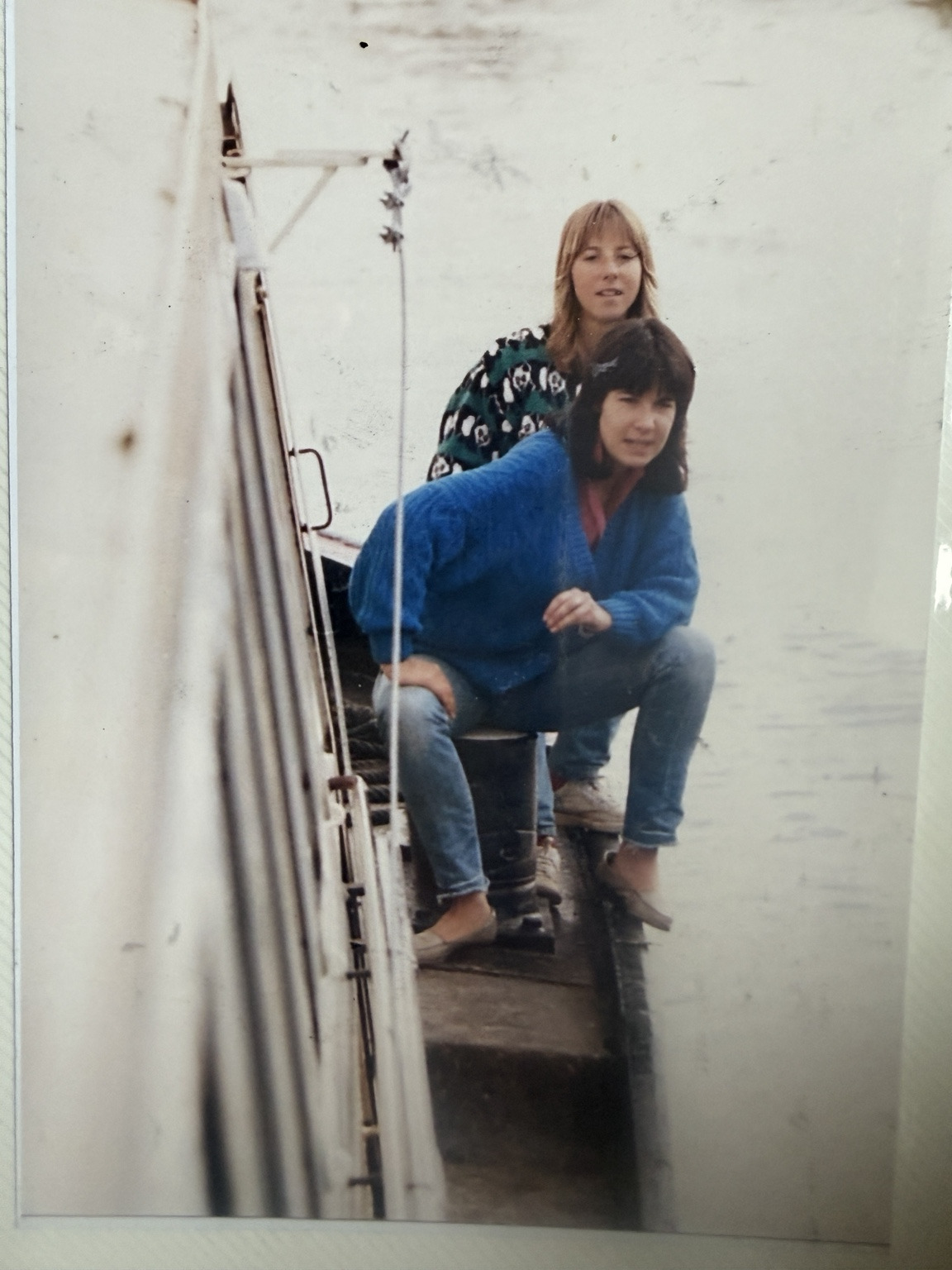
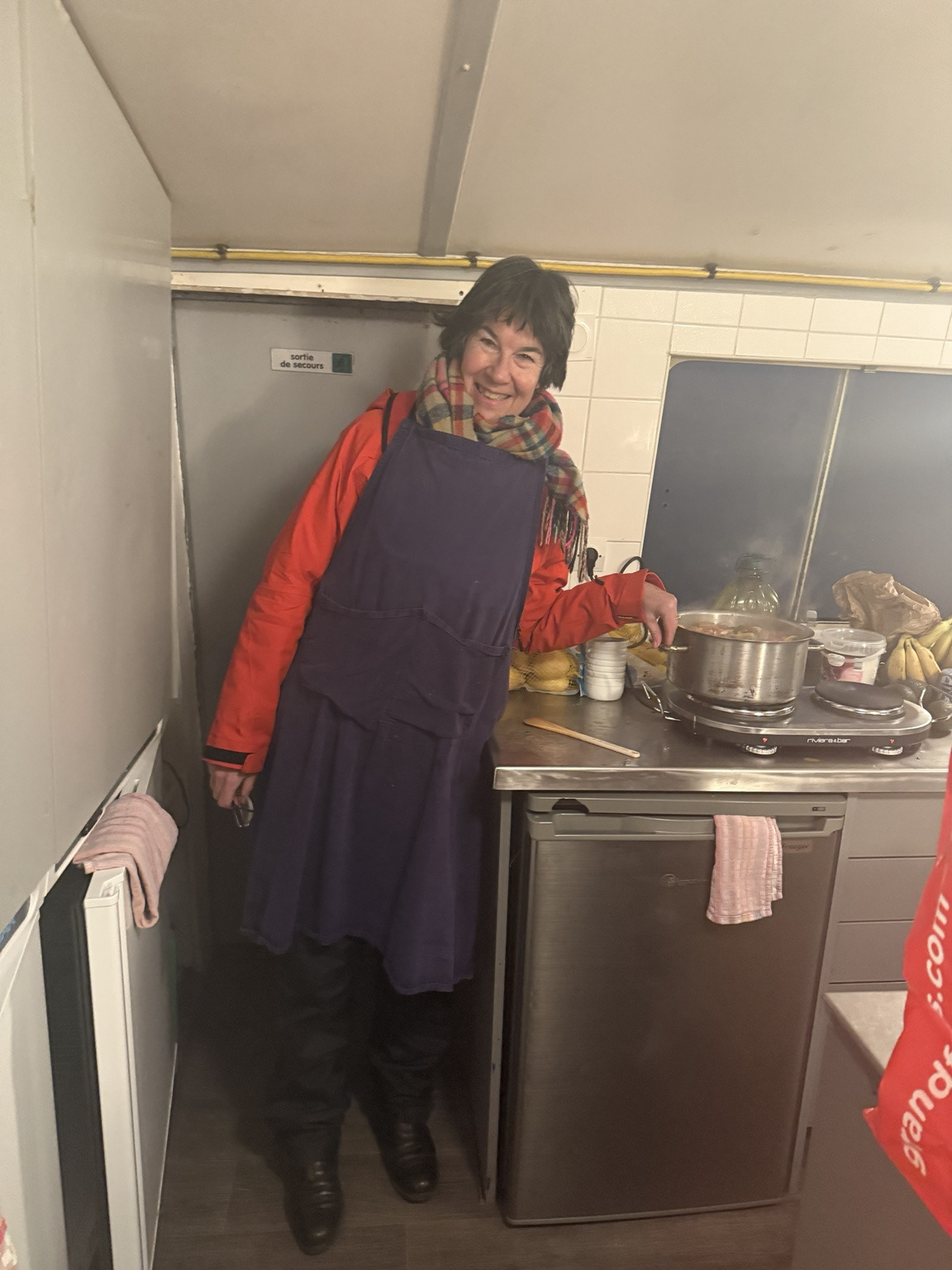
Penny Liley
From the galley to leading the business, a lifetime devoted to Luciole
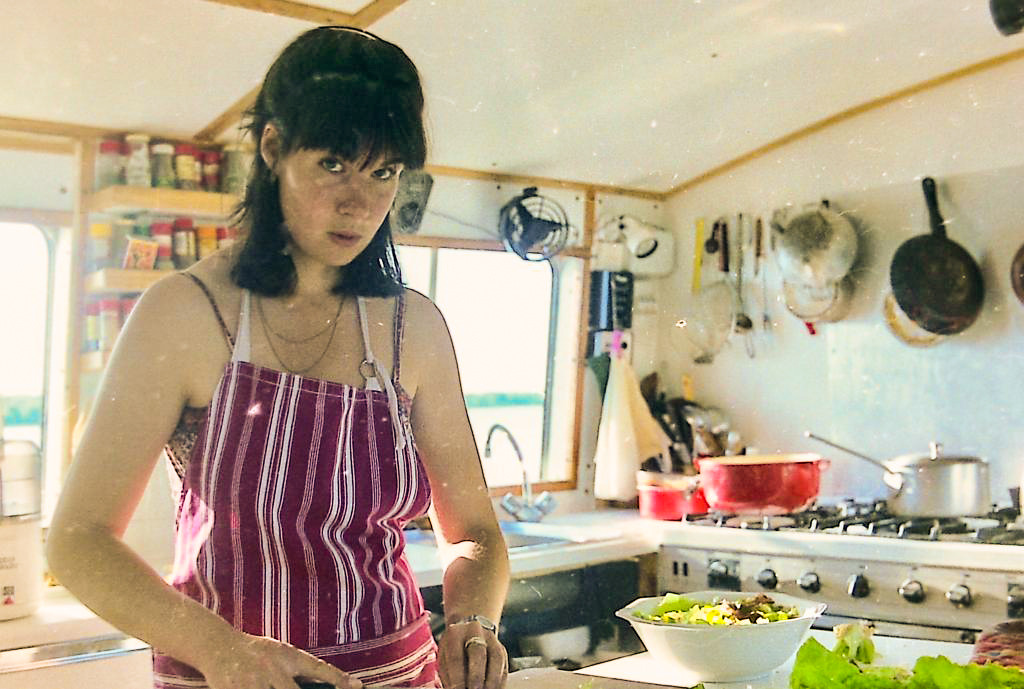
Penny Liley's story with Luciole began in the kitchen. While working as a cook in Chamonix, in the French Alps, she met John Liley. Their partnership would become central to the future of Inland Voyages.
Penny later joined Luciole as a cook, gaining a close understanding of life aboard and the importance of making passengers feel welcome and well cared for.
Over the years, her role grew far beyond the galley. Today, Penny oversees almost every aspect of the business, from bookings, administration and crew management to personally leading excursions and looking after passengers throughout their stay.
Despite these considerable responsibilities, her priority remains unchanged: ensuring that every passenger has a wonderful experience. Her personal approach, attention to detail and genuine care for the people travelling aboard have become defining characteristics of Luciole.
2010–2026 — Modernisation
Sixteen years of structural, mechanical and interior improvements
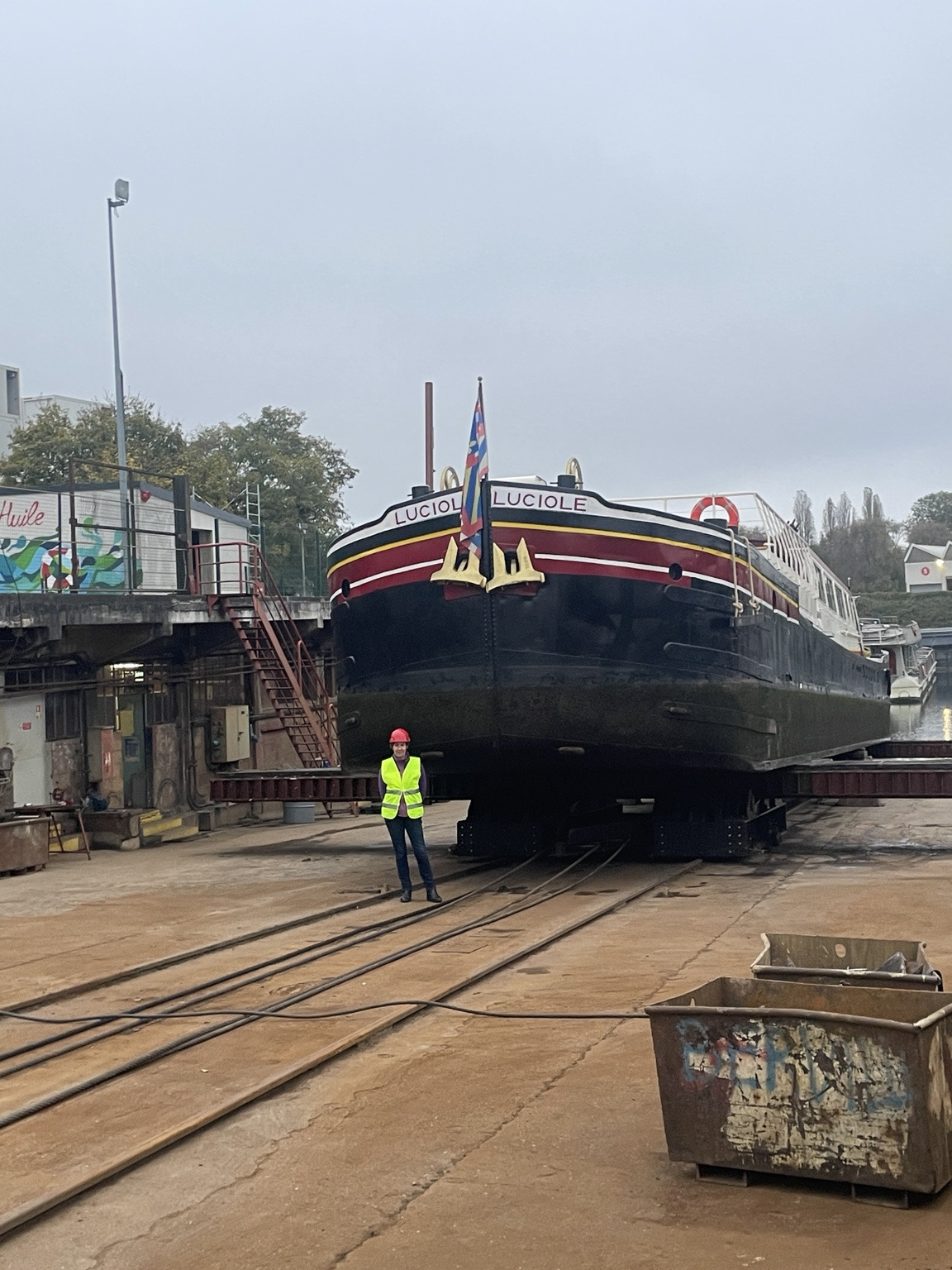
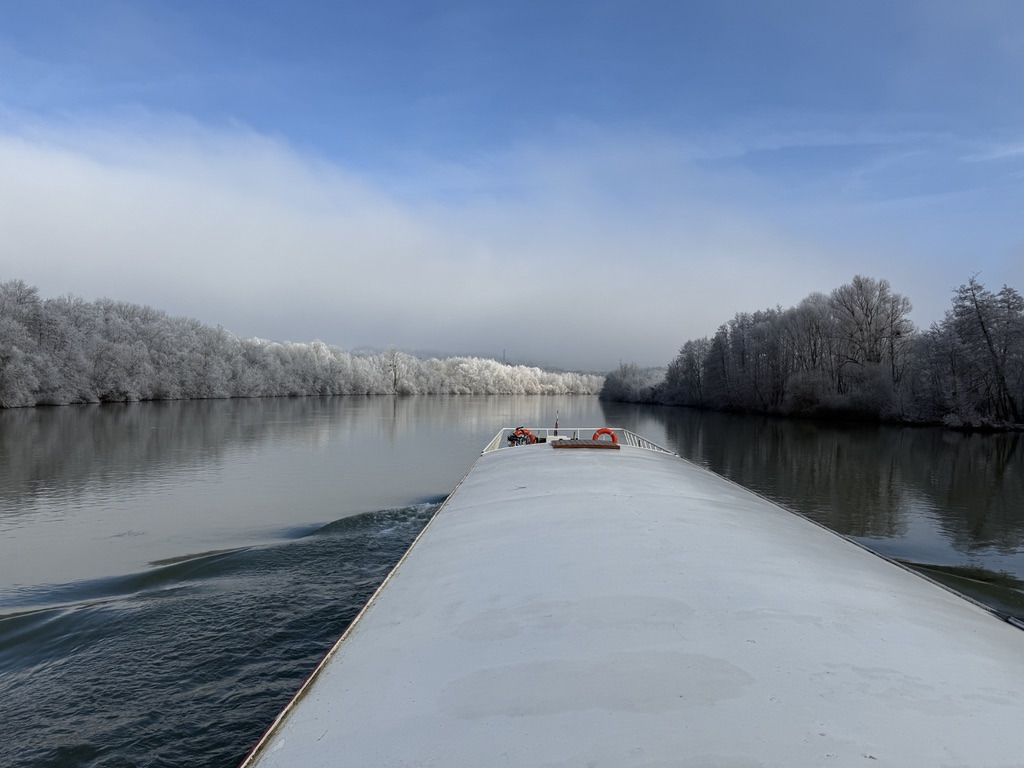
Since 2010, Luciole has undergone an almost continuous programme of rebuilding, refurbishment and modernisation. The aim has never been merely to maintain an ageing vessel, but to improve her continually by investing in passenger comfort and reliable engineering.
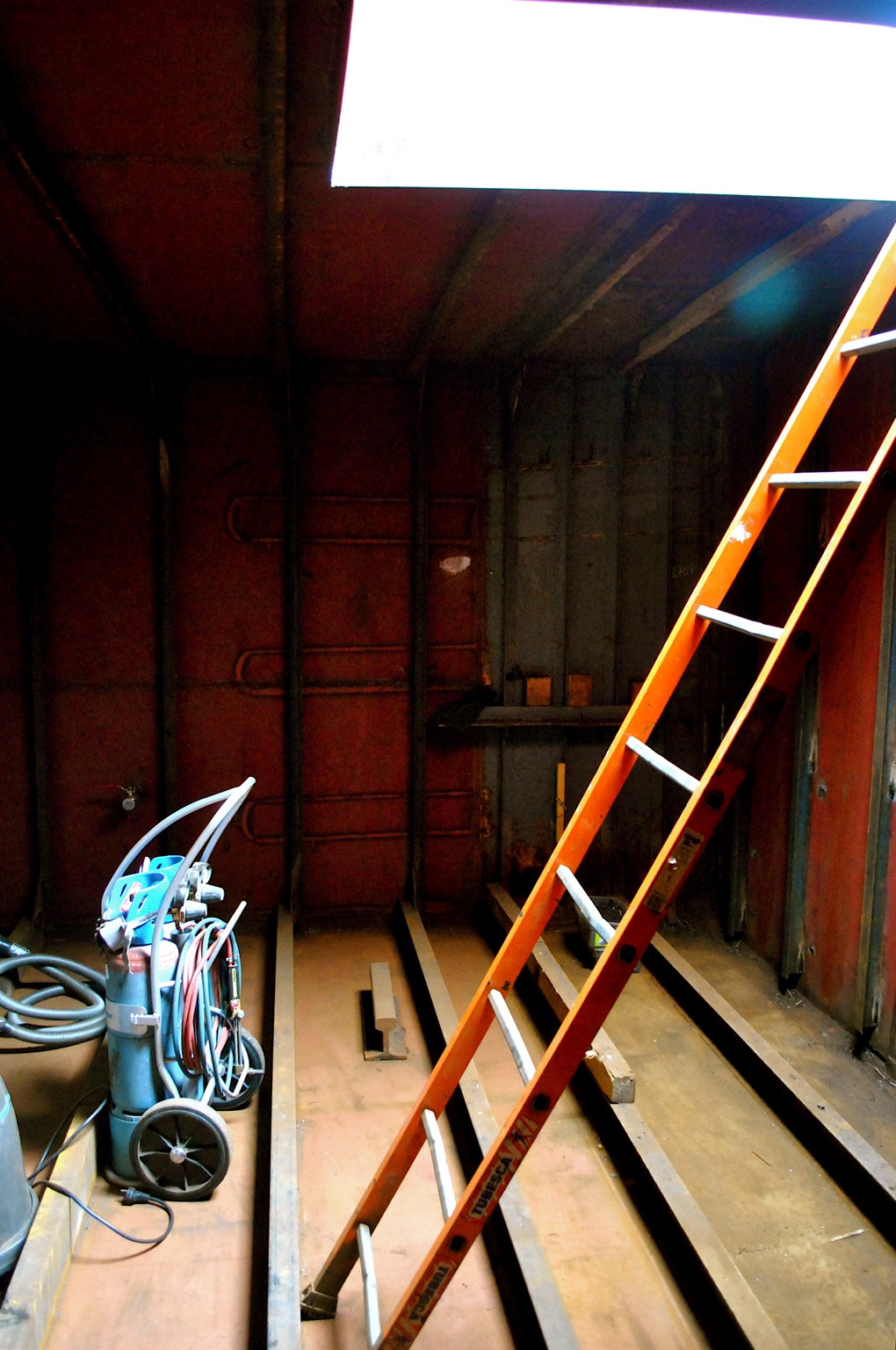
Each winter brings new projects, ranging from complete interior redesigns to major structural and mechanical work. Much of this work takes place out of sight—beneath the waterline, behind cabin walls or deep within the engine room—but it is just as important as the improvements passengers can see and enjoy.
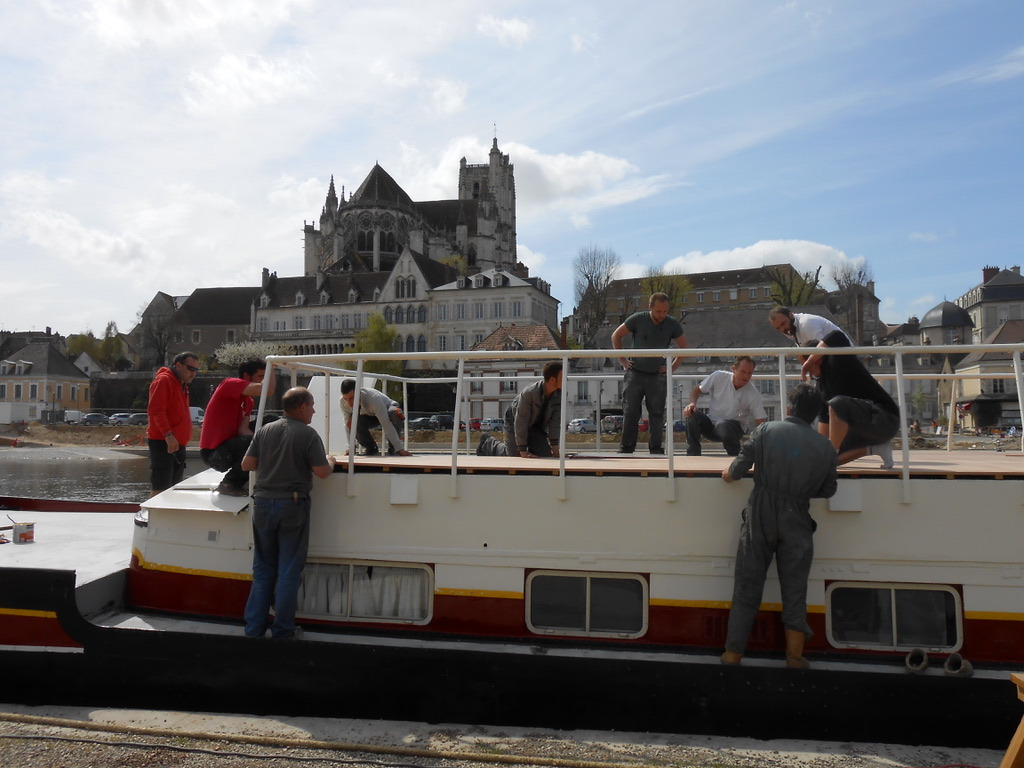
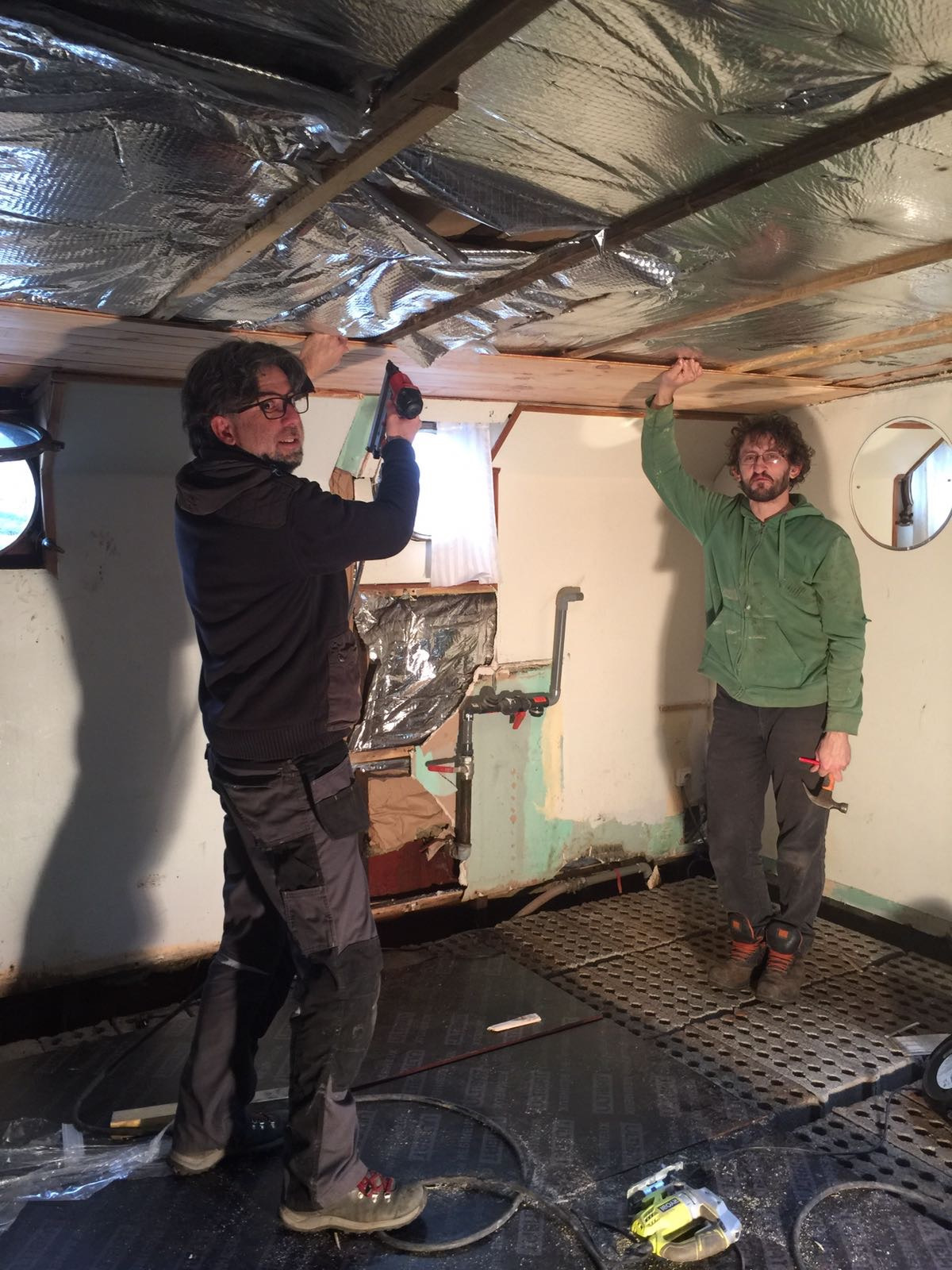
The Liley family remains closely involved, often undertaking substantial parts of the rebuilding themselves, with support from skilled craftspeople, engineers and crew members. Over the years, almost every area of Luciole has been renewed, redesigned or improved, while retaining the character of the original vessel.
Rather than allowing her age to dictate what she can do, the aim has always been to make Luciole better with each passing year. The timeline below offers a glimpse of the work involved in preserving and improving a century-old barge for future generations of passengers.
2010 — Hull Extension: The hull was lengthened by 5 metres to provide better crew accommodation. The additional buoyancy required 10 tonnes of ballast to achieve the correct draught and trim.
2012 — Saloon Refurbishment: The saloon underwent substantial alterations, including the installation of new seating and furnishings.
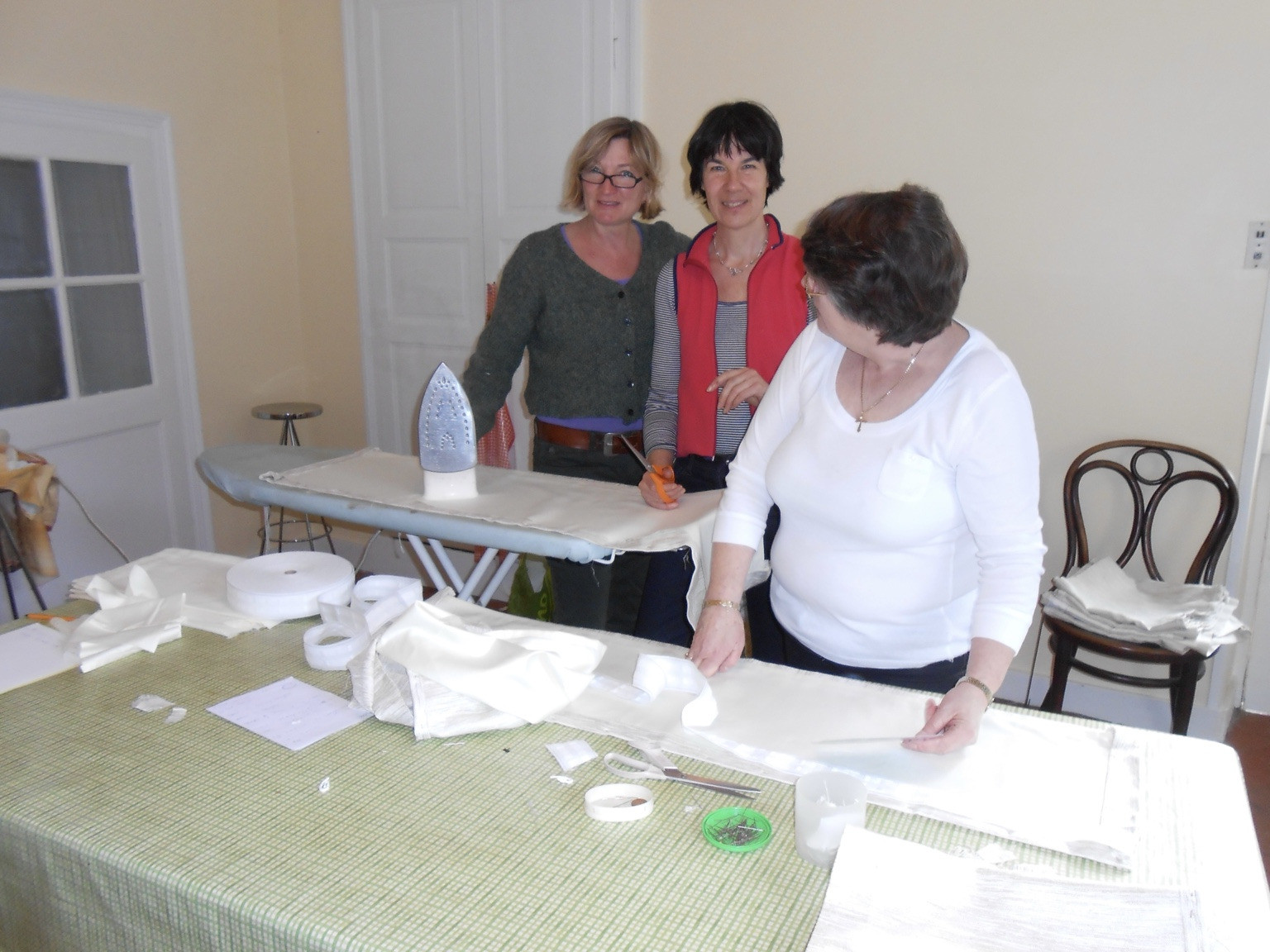
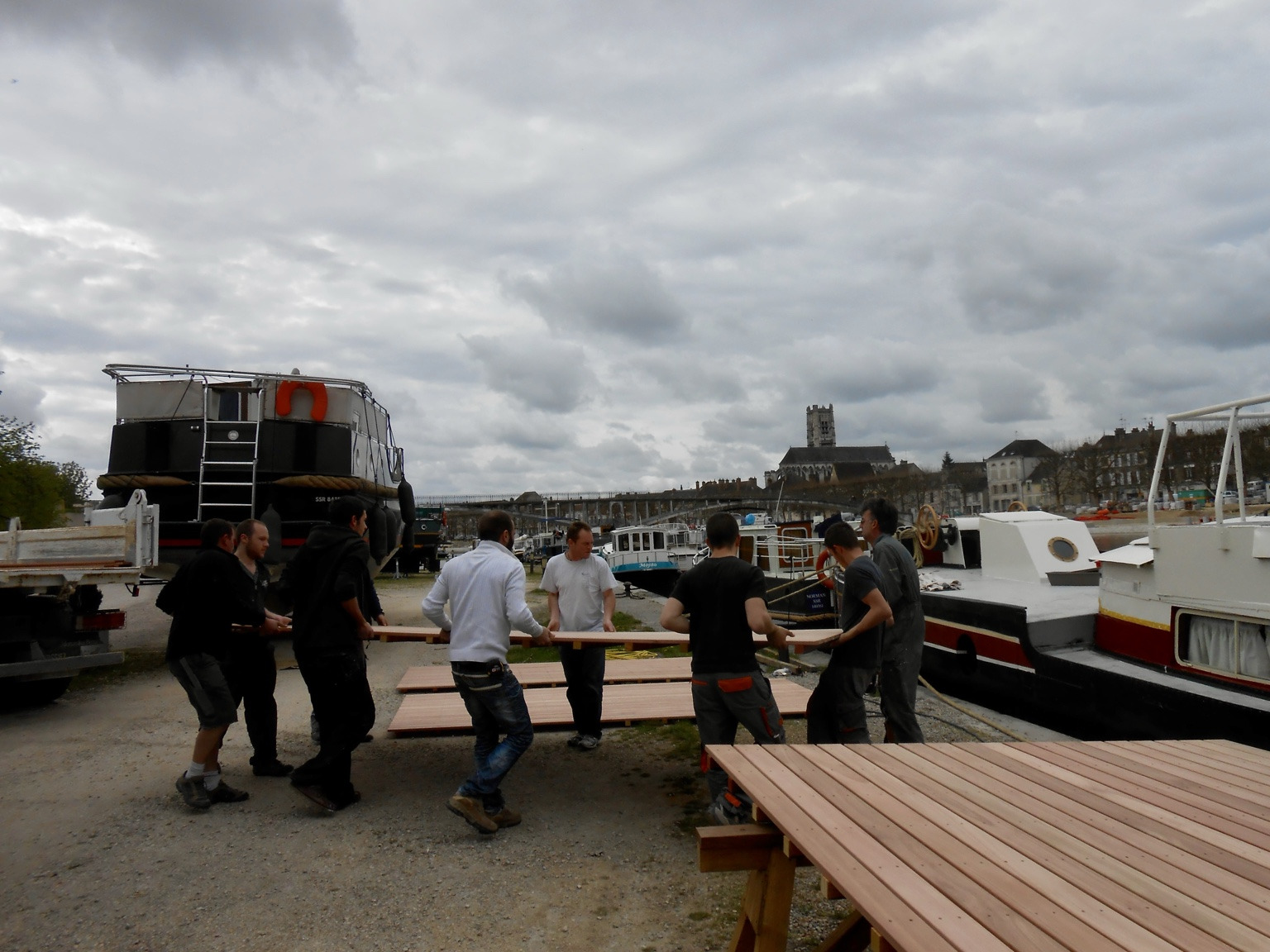
2013 — Decking and Furnishings: New curtains were fitted, along with Lyptus hardwood decking that was individually scribed to fit.
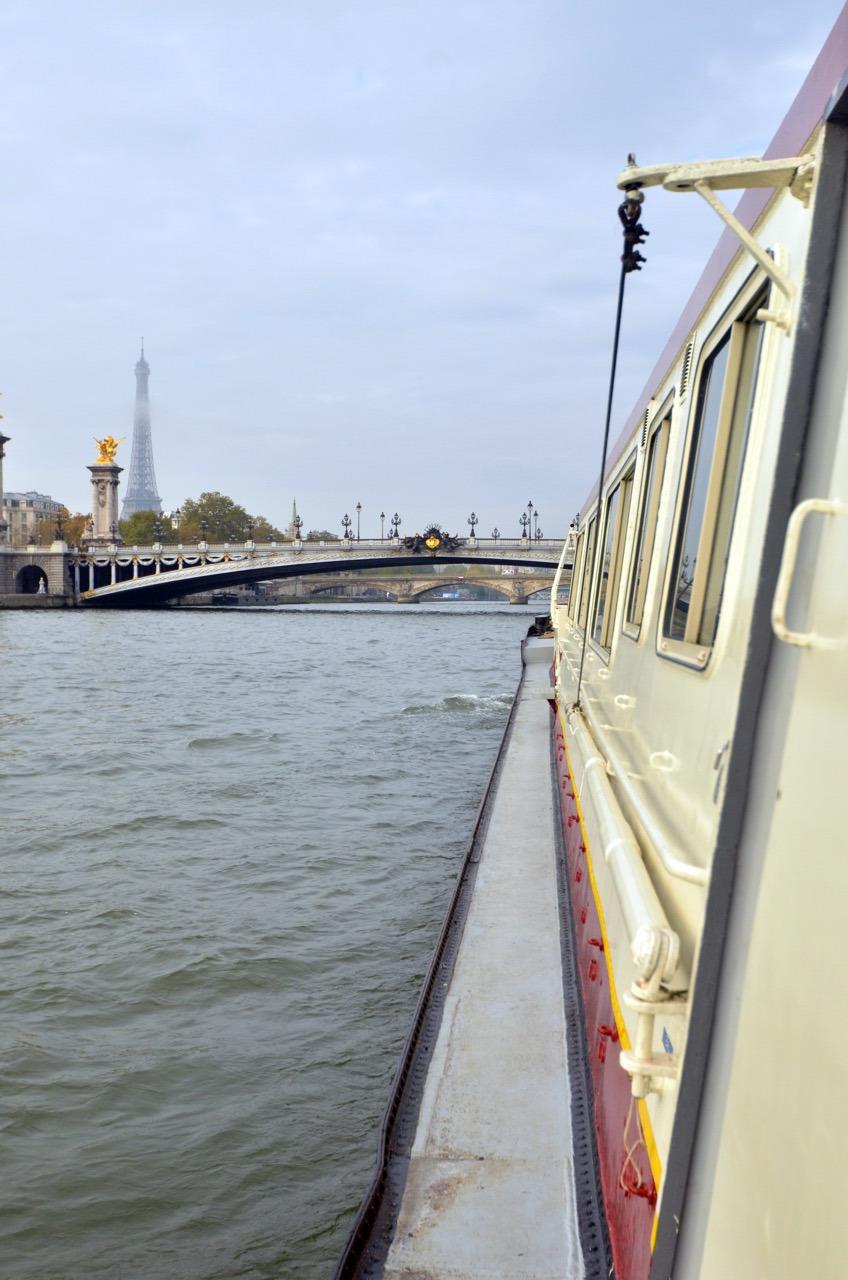
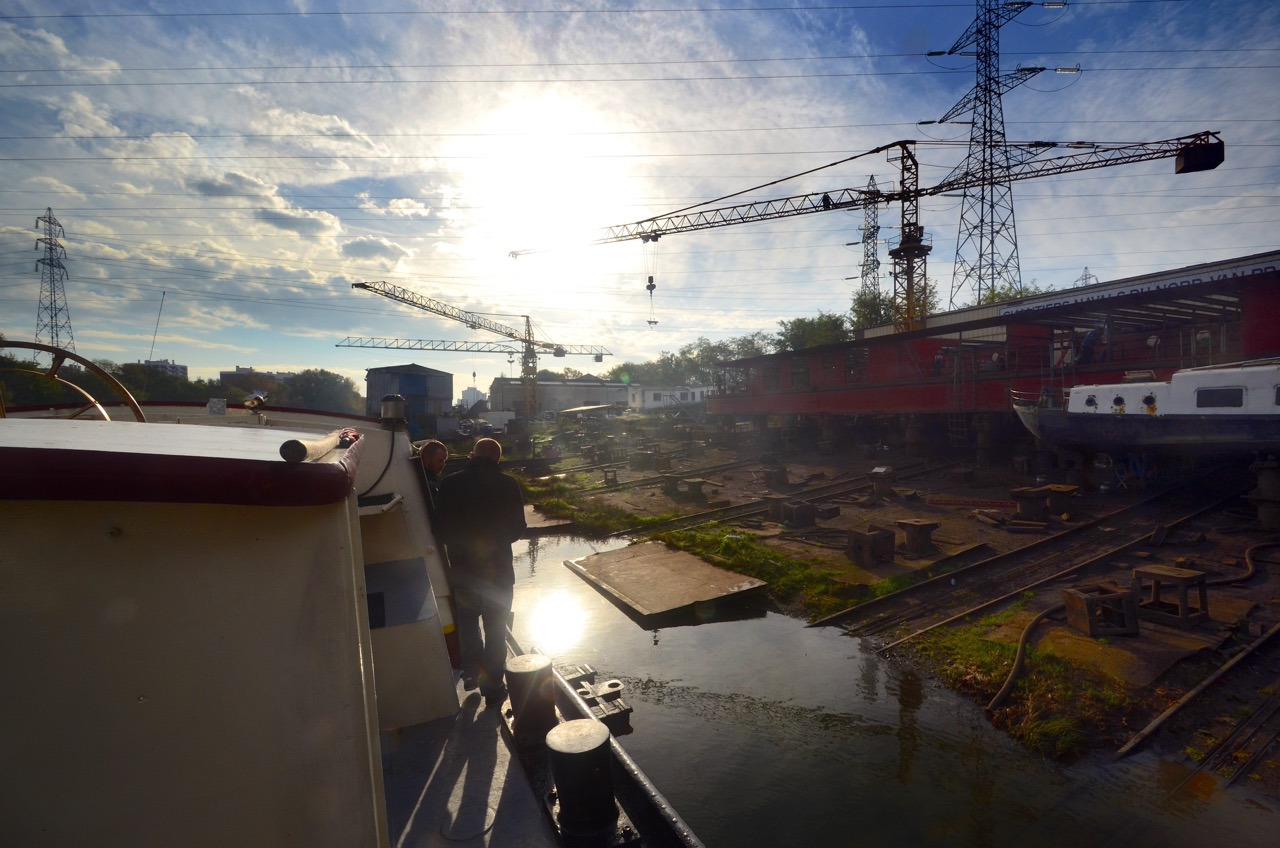
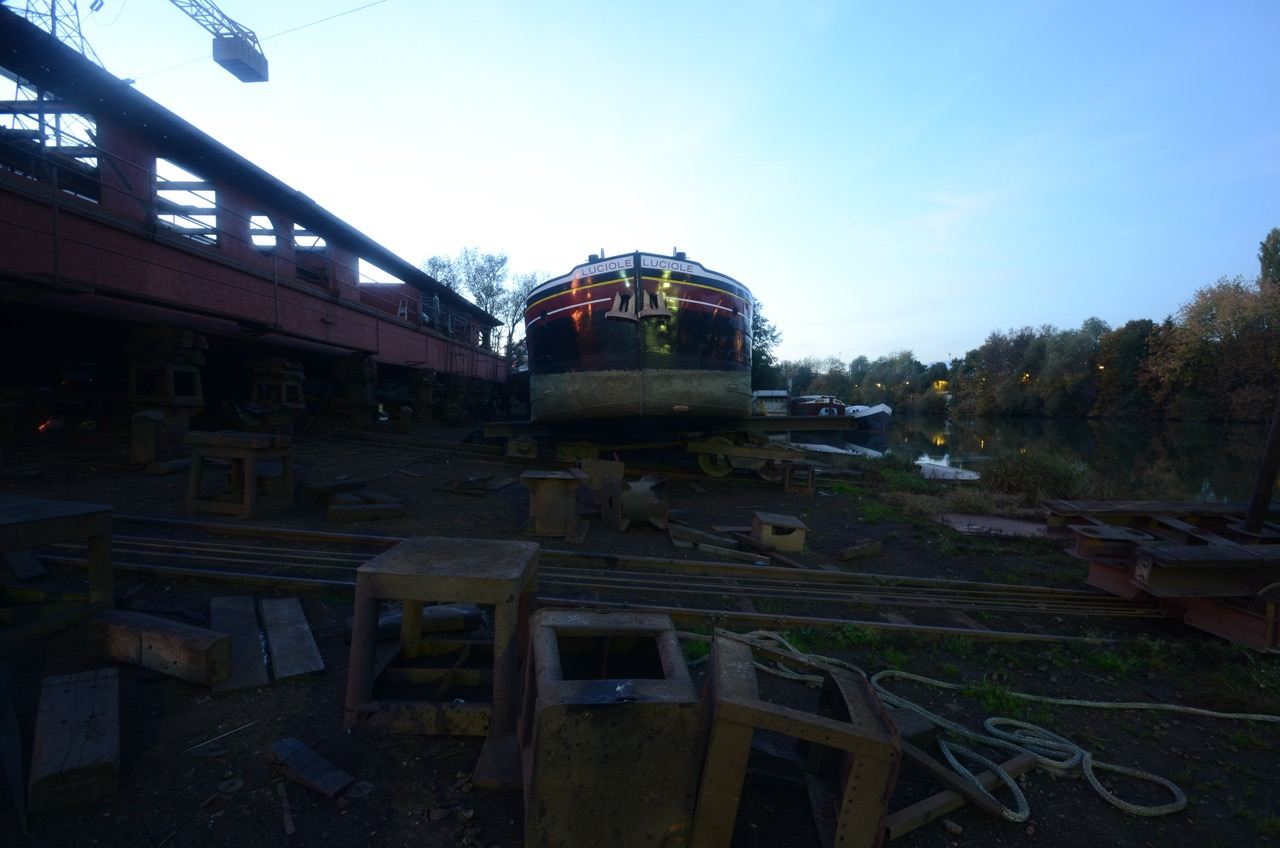
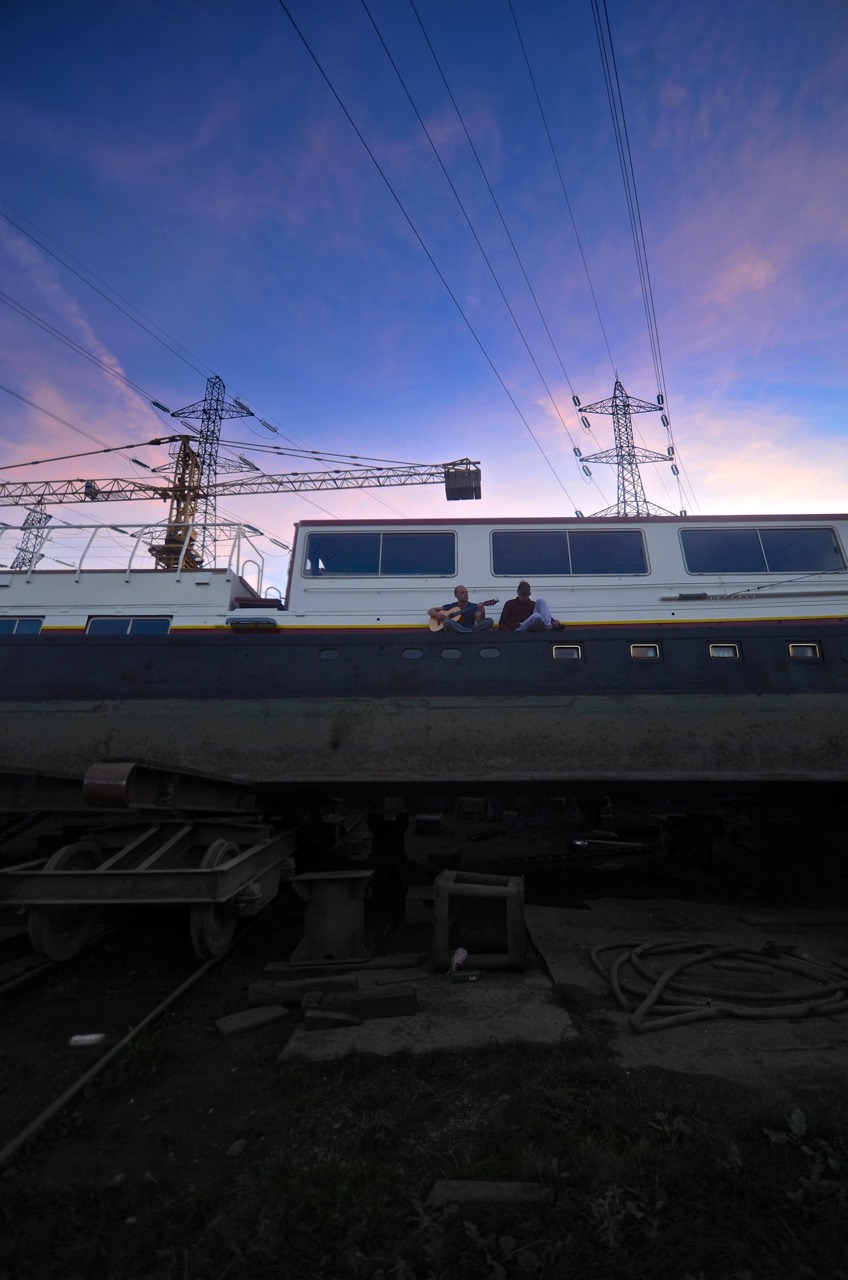
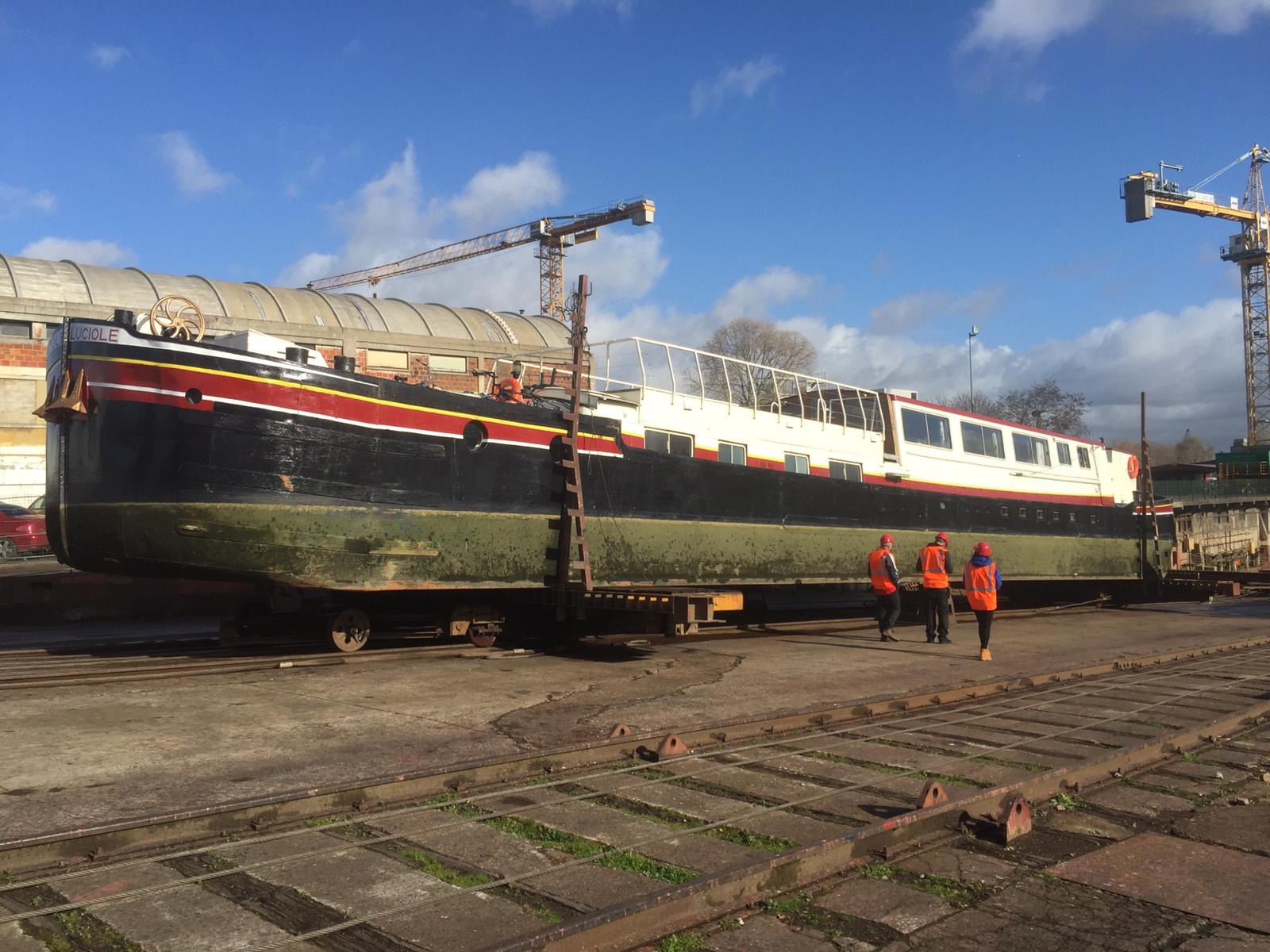
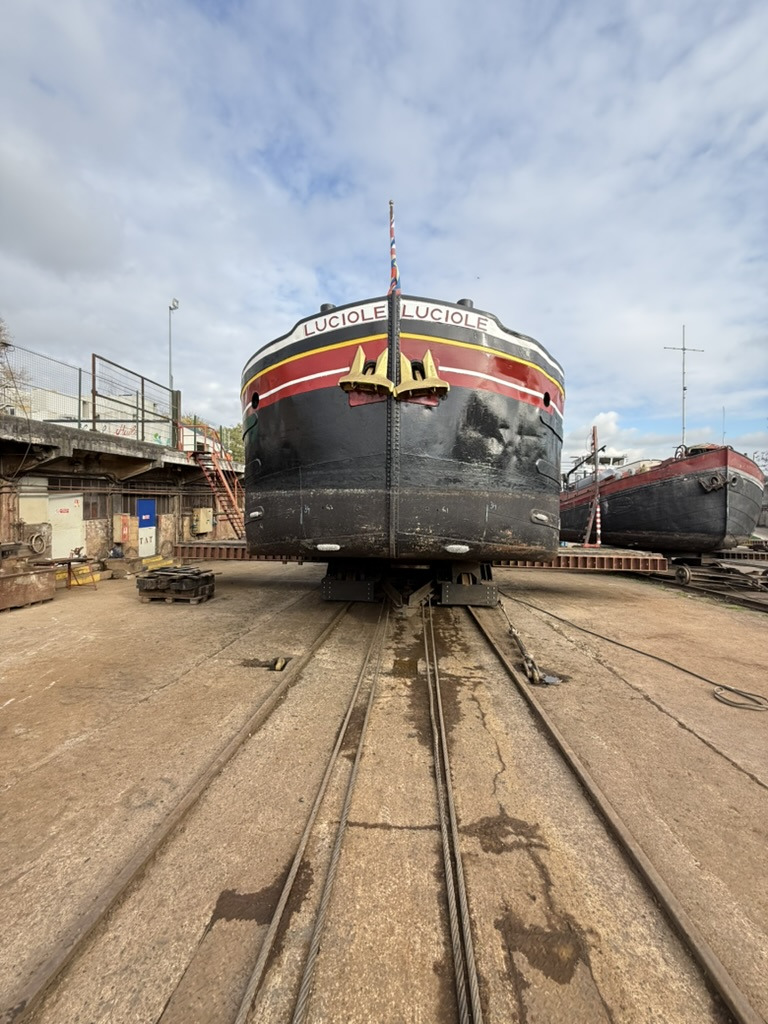
2014 — Five-Year Survey: Luciole cruised through Paris to the Del Prat shipyard north of the city for her five-year inspection.
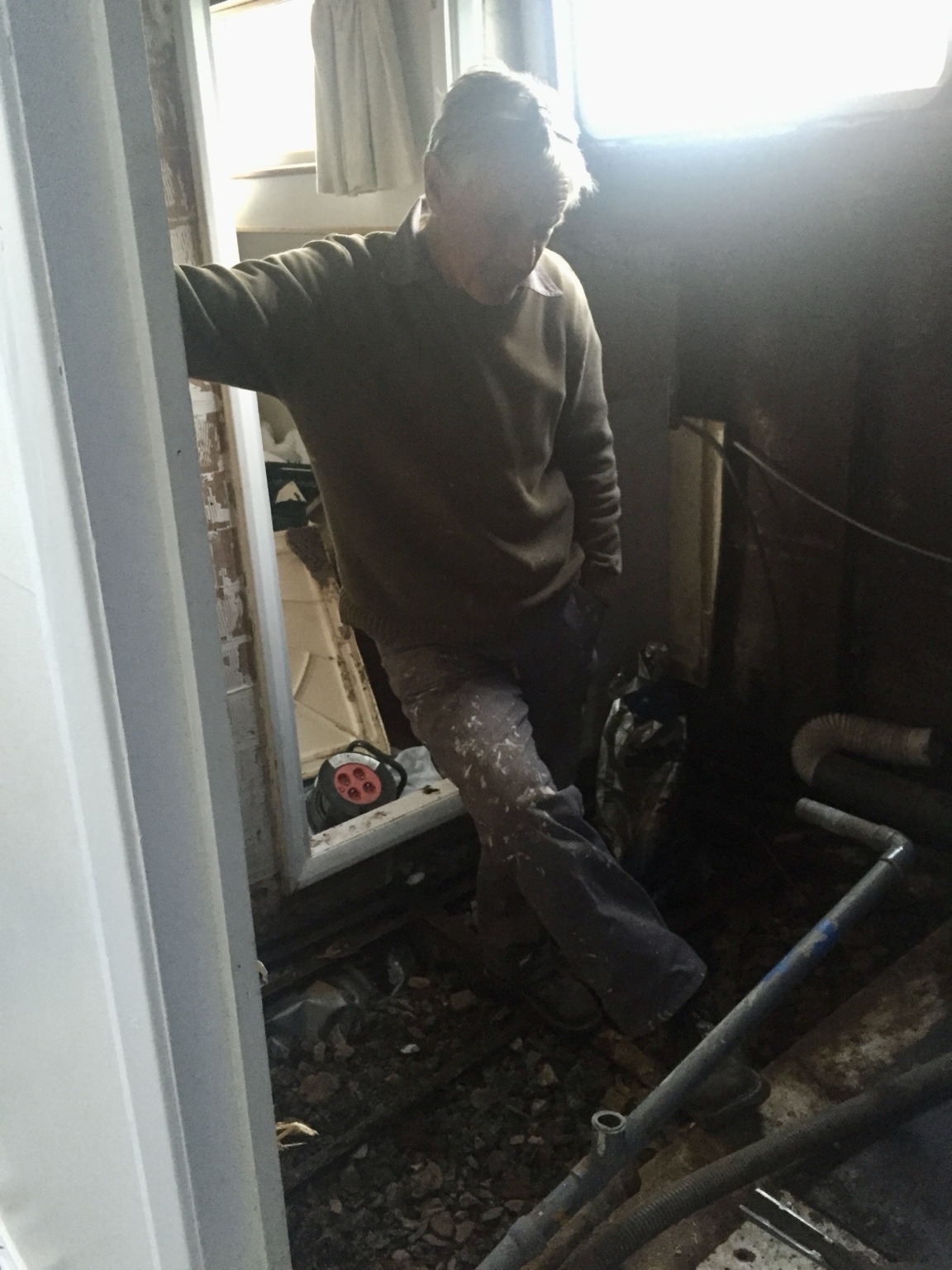
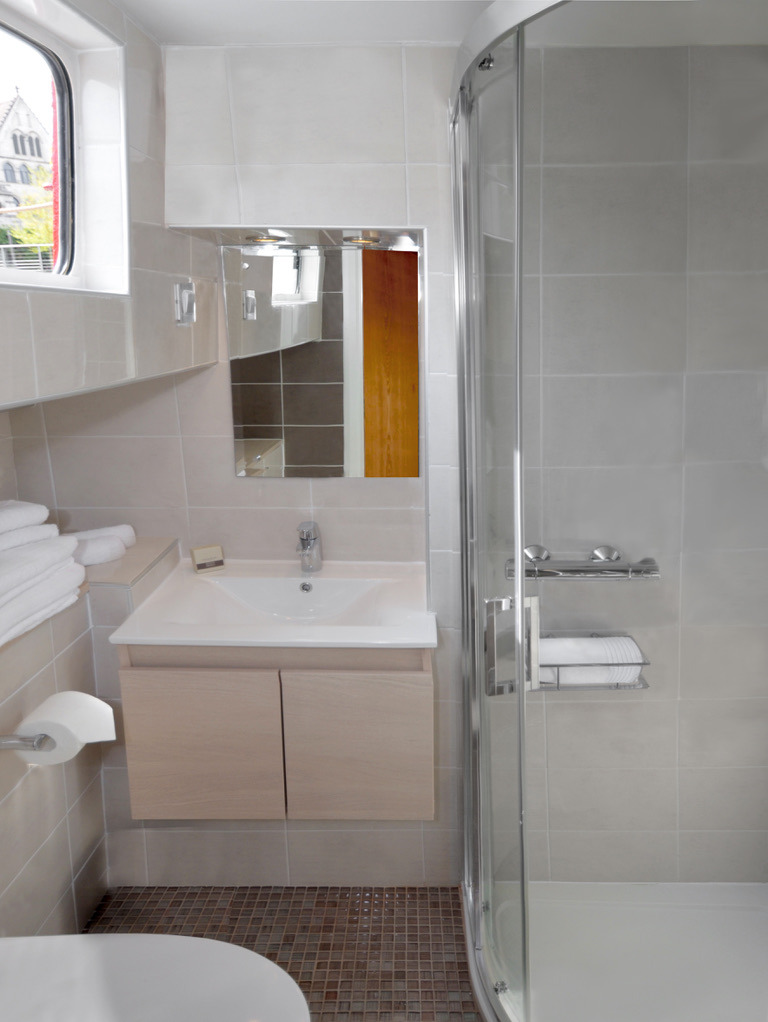
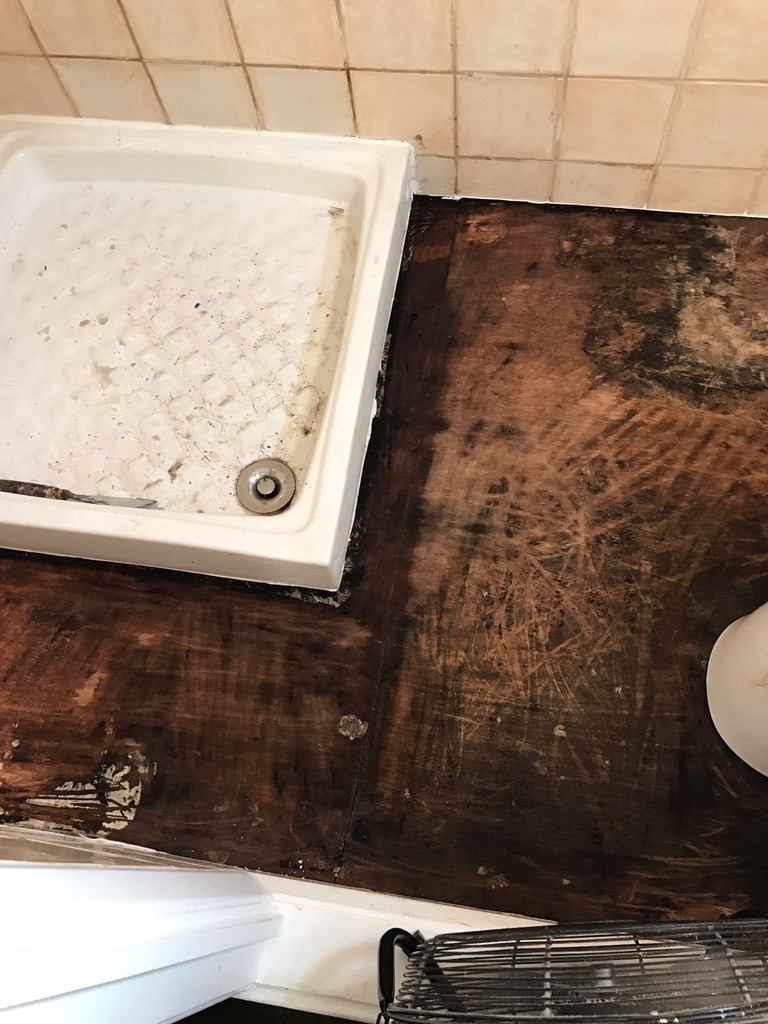
2015 — Forward Bathrooms: All four forward en-suite bathrooms were completely rebuilt; five layers of tiles from previous refurbishments were discovered during the work.
2017 — Aft Bathrooms: The rebuilding of all four aft en-suite bathrooms was completed.
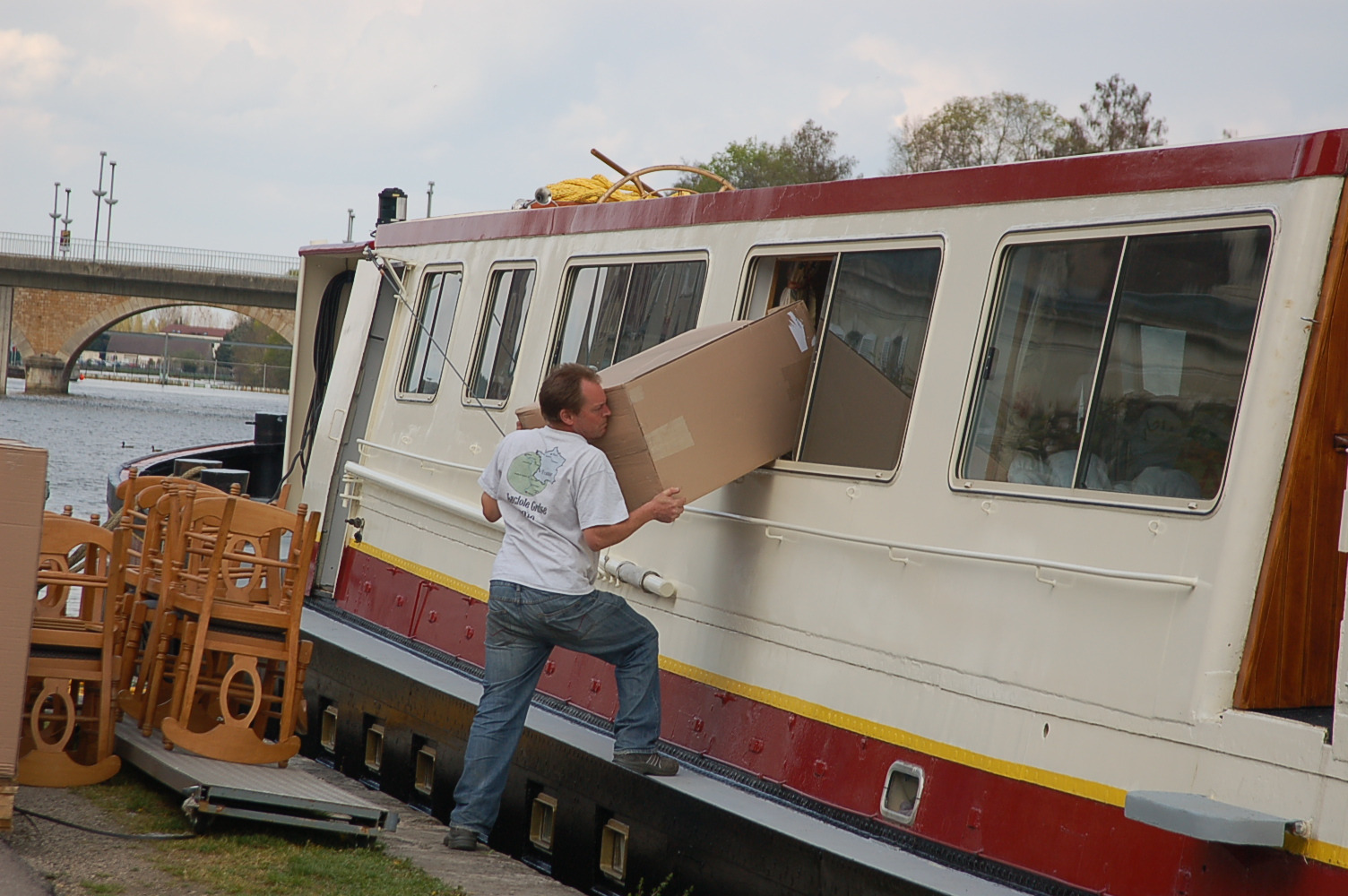
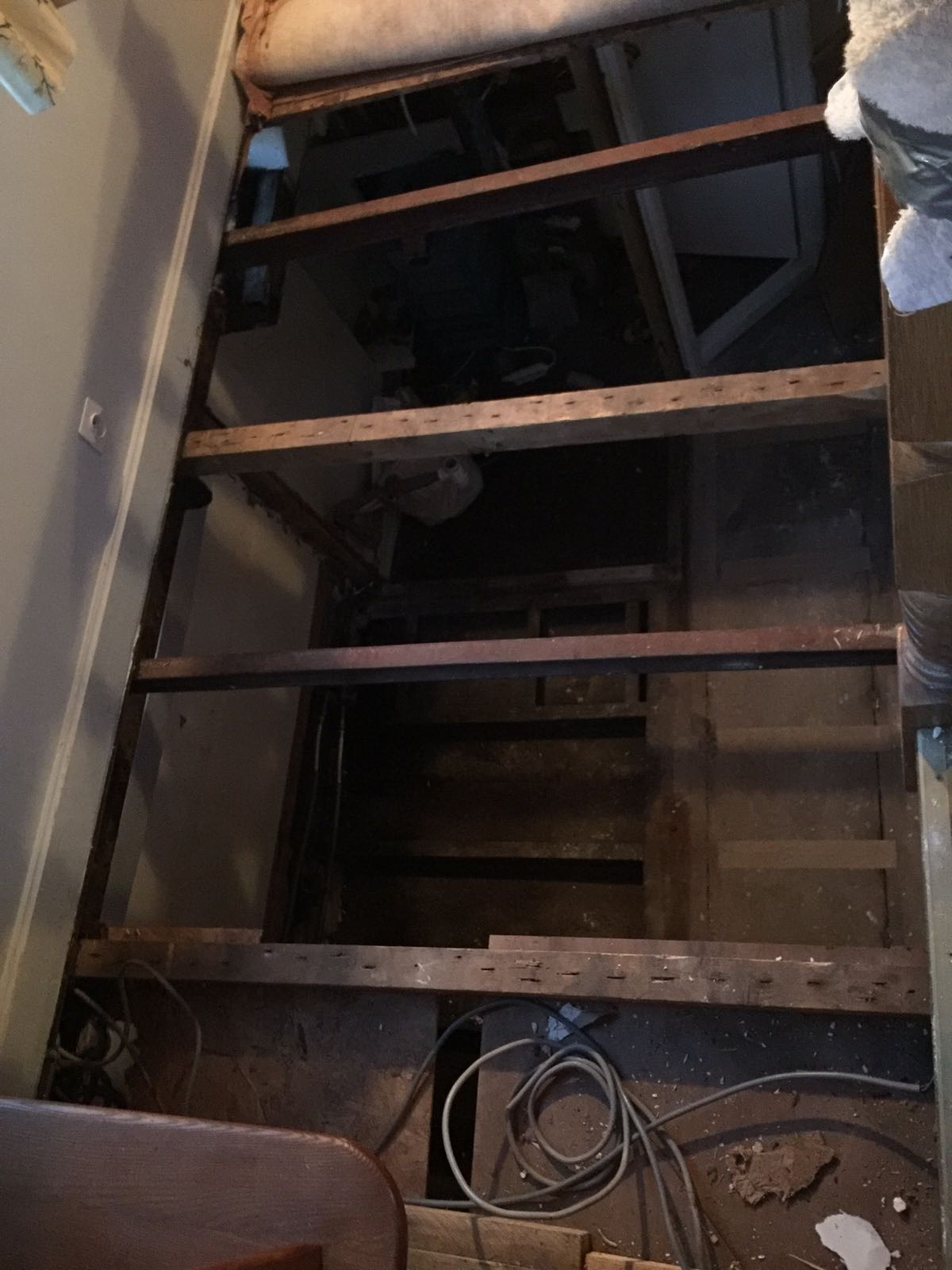
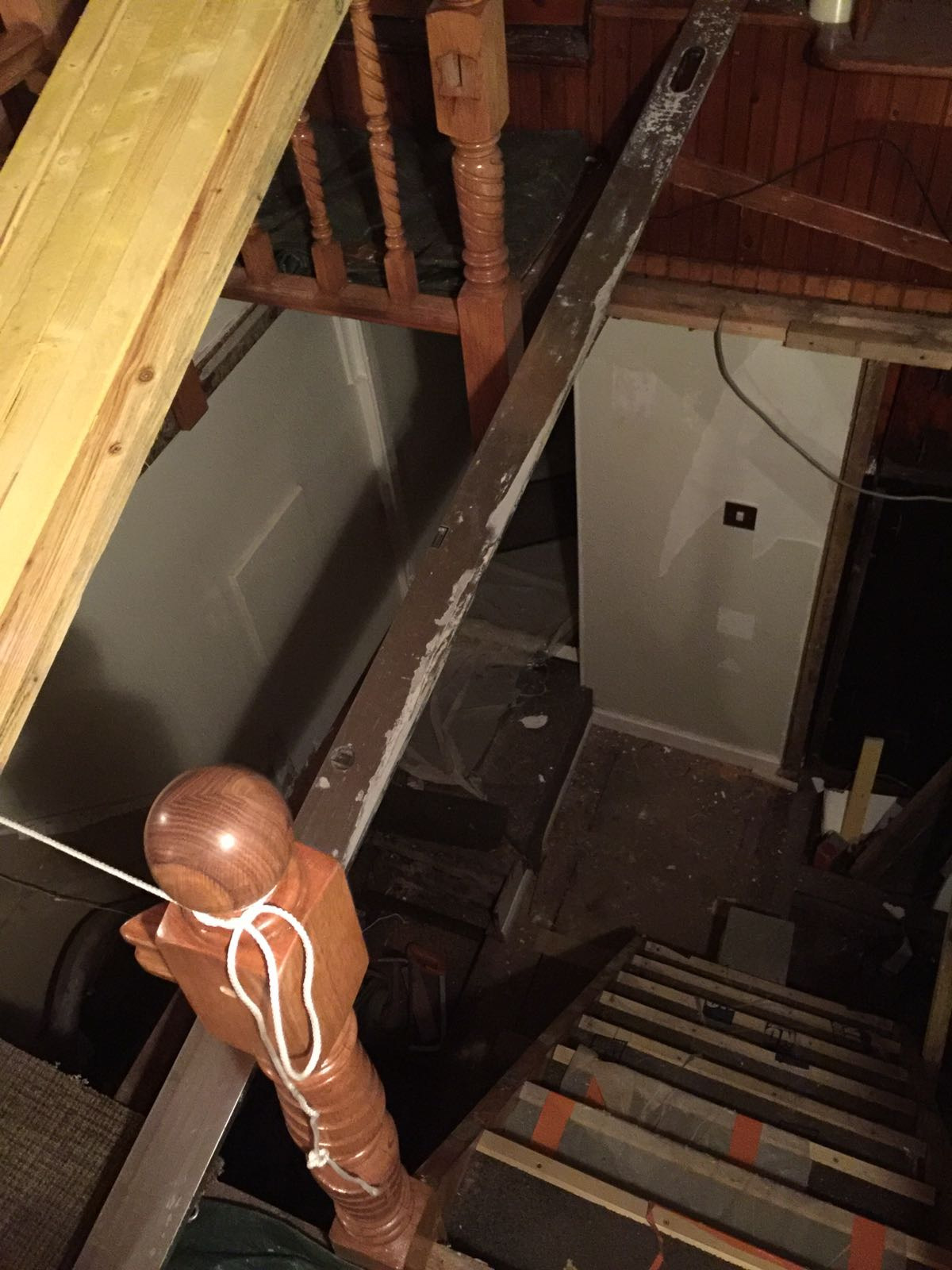
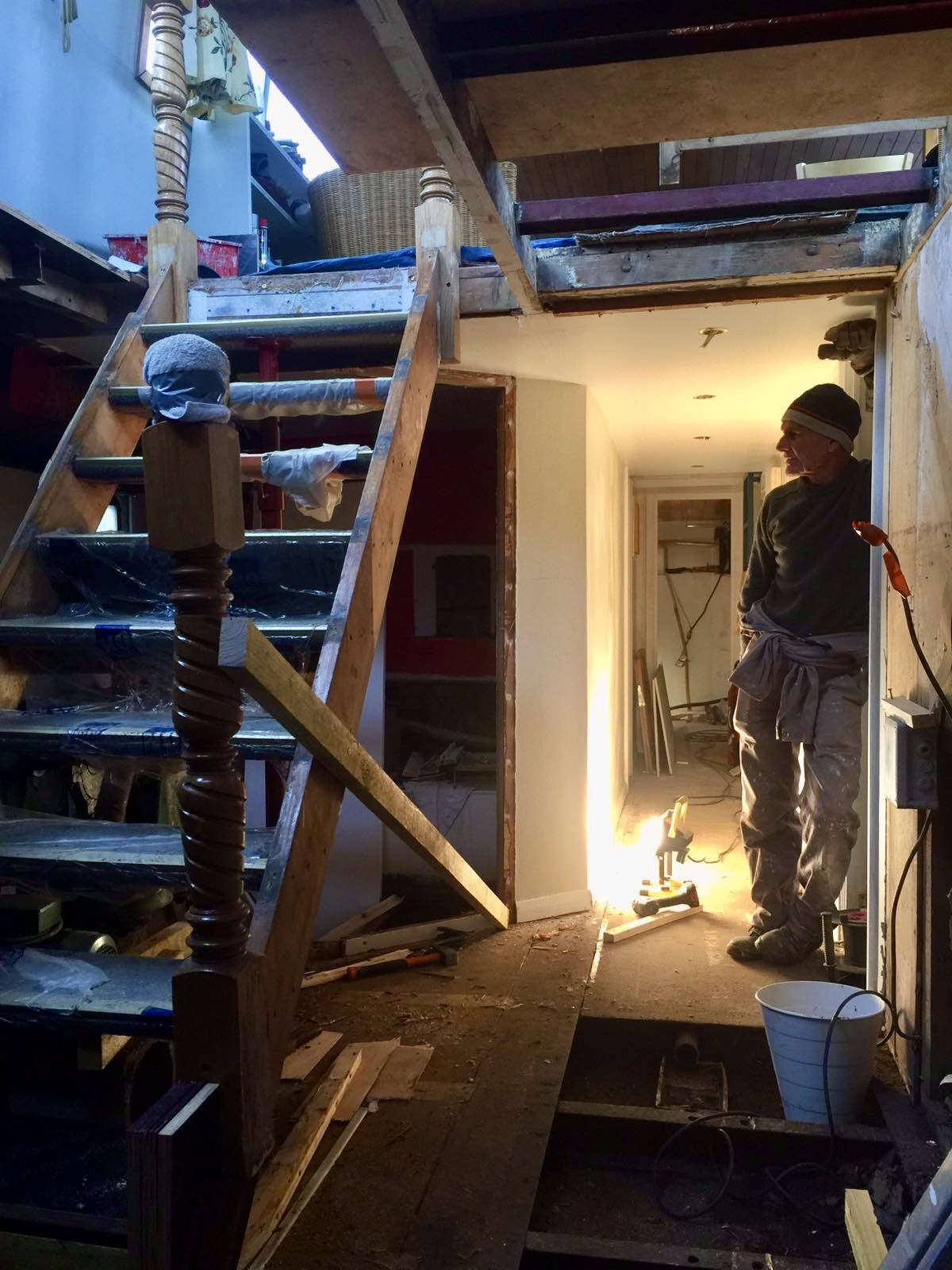
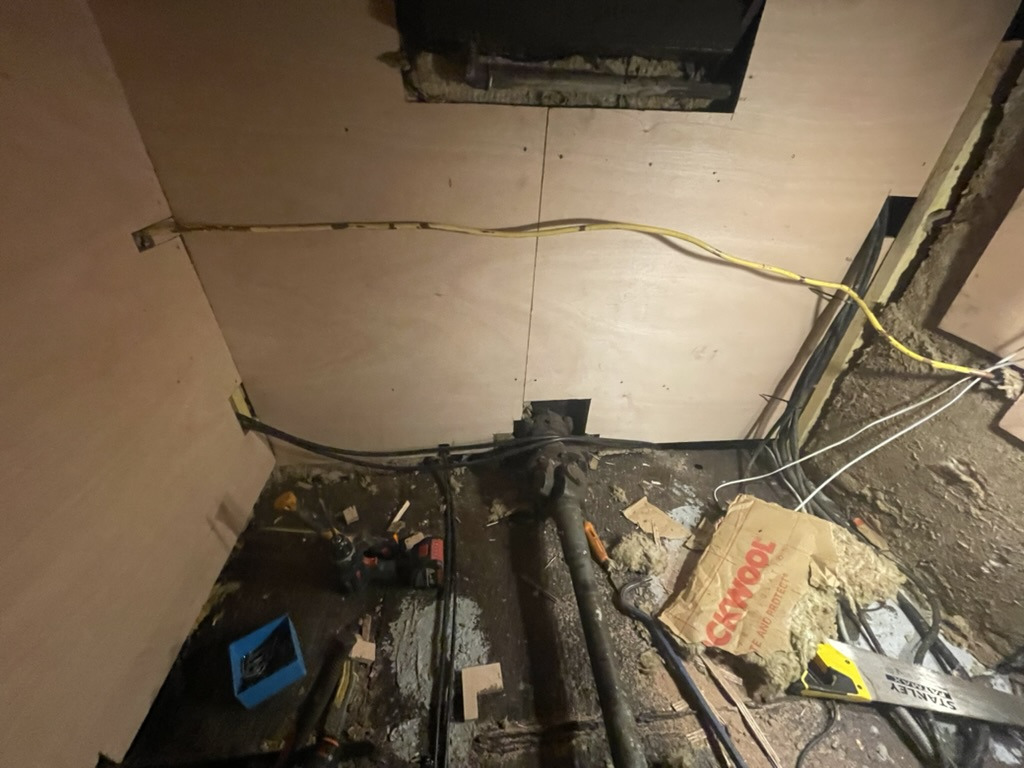
2017 — Major Interior Refit: The staircase was relocated, the galley rebuilt and new crew accommodation created in the bow. This ambitious programme coincided with the bathroom work, while an event for travel agents scheduled for March added considerable pressure.
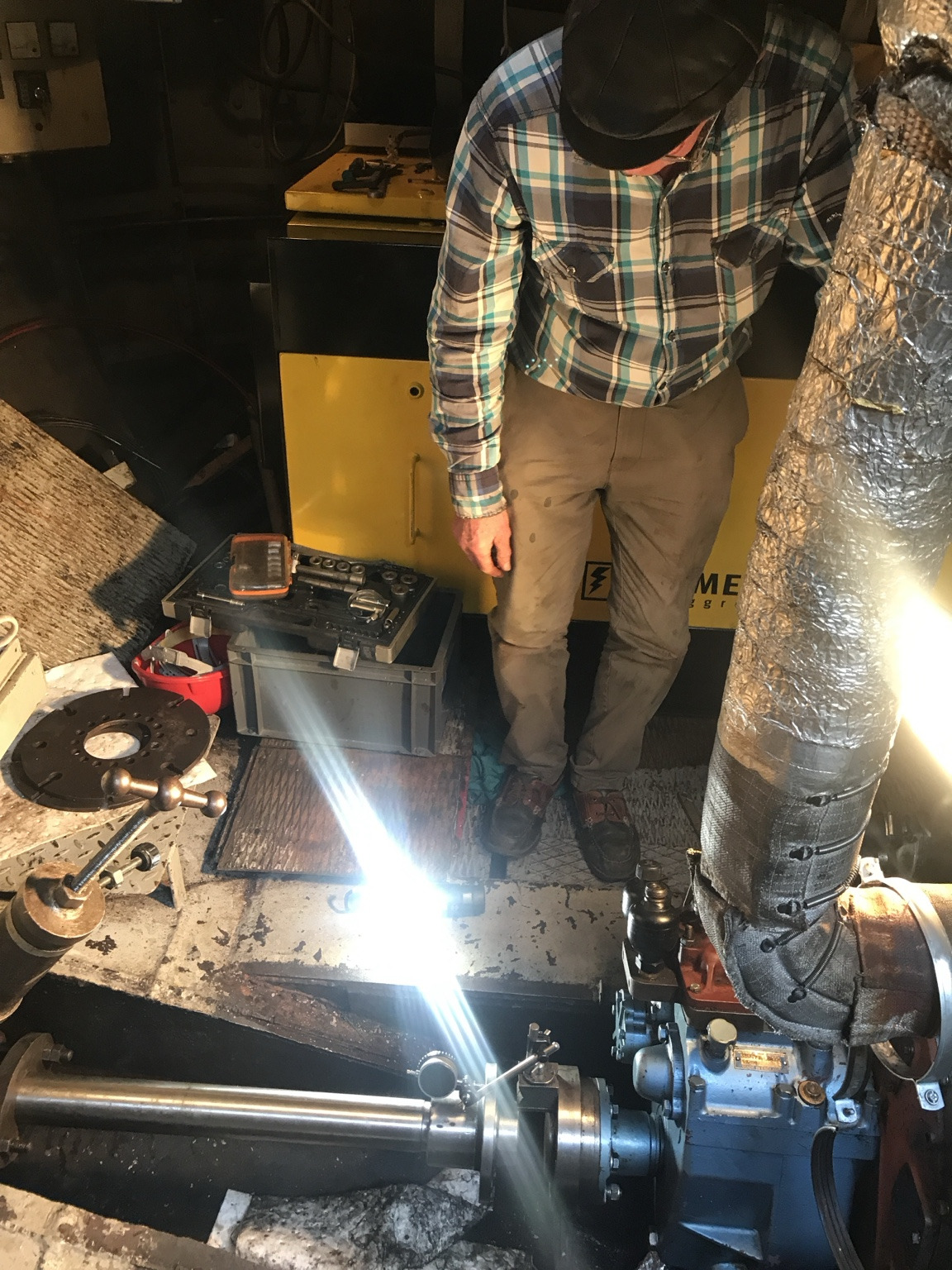
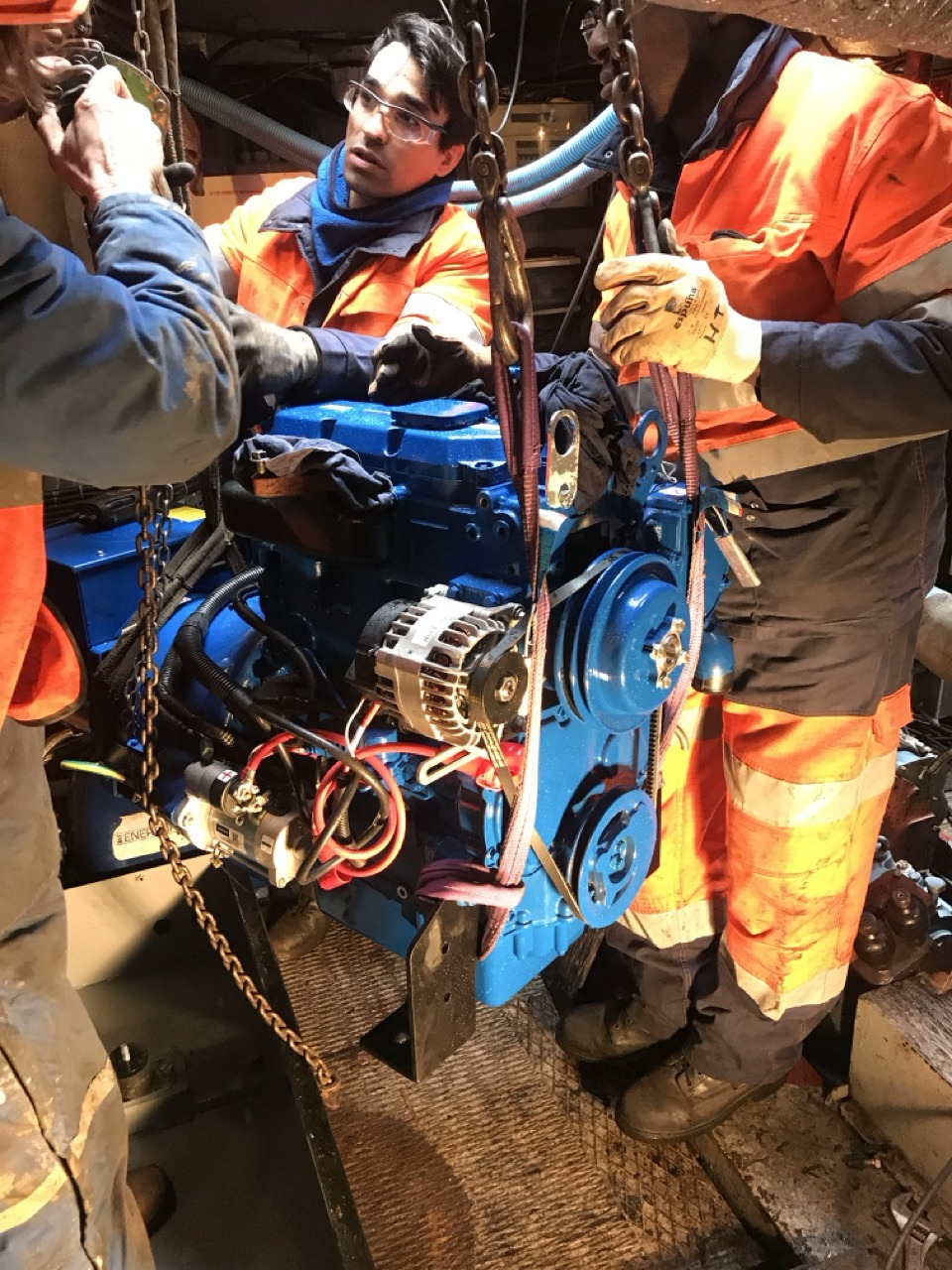
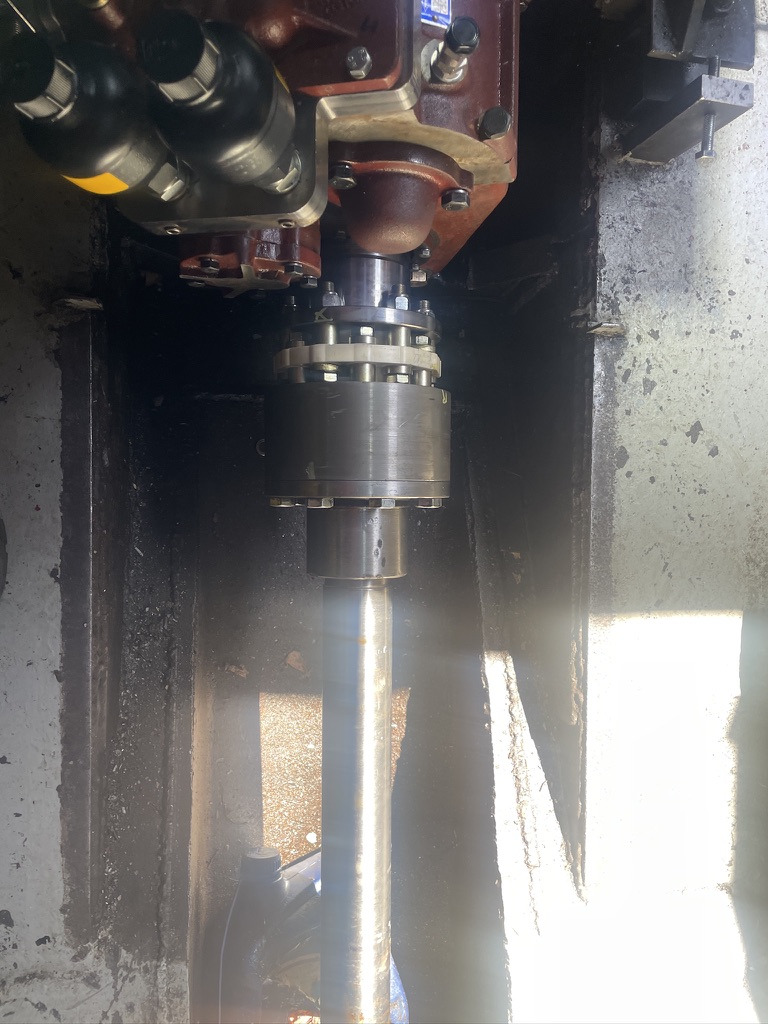
2020 — Generator and Propulsion: Luciole travelled to a shipyard south of Paris for her five-year inspection, during which a new generator and propeller shaft were installed.
2022 — Stern Accommodation: The stern crew cabin, steering arm and engine-room ceiling were improved.
2023 — Utility Area: This essential working space was refurbished to improve facilities for the crew.
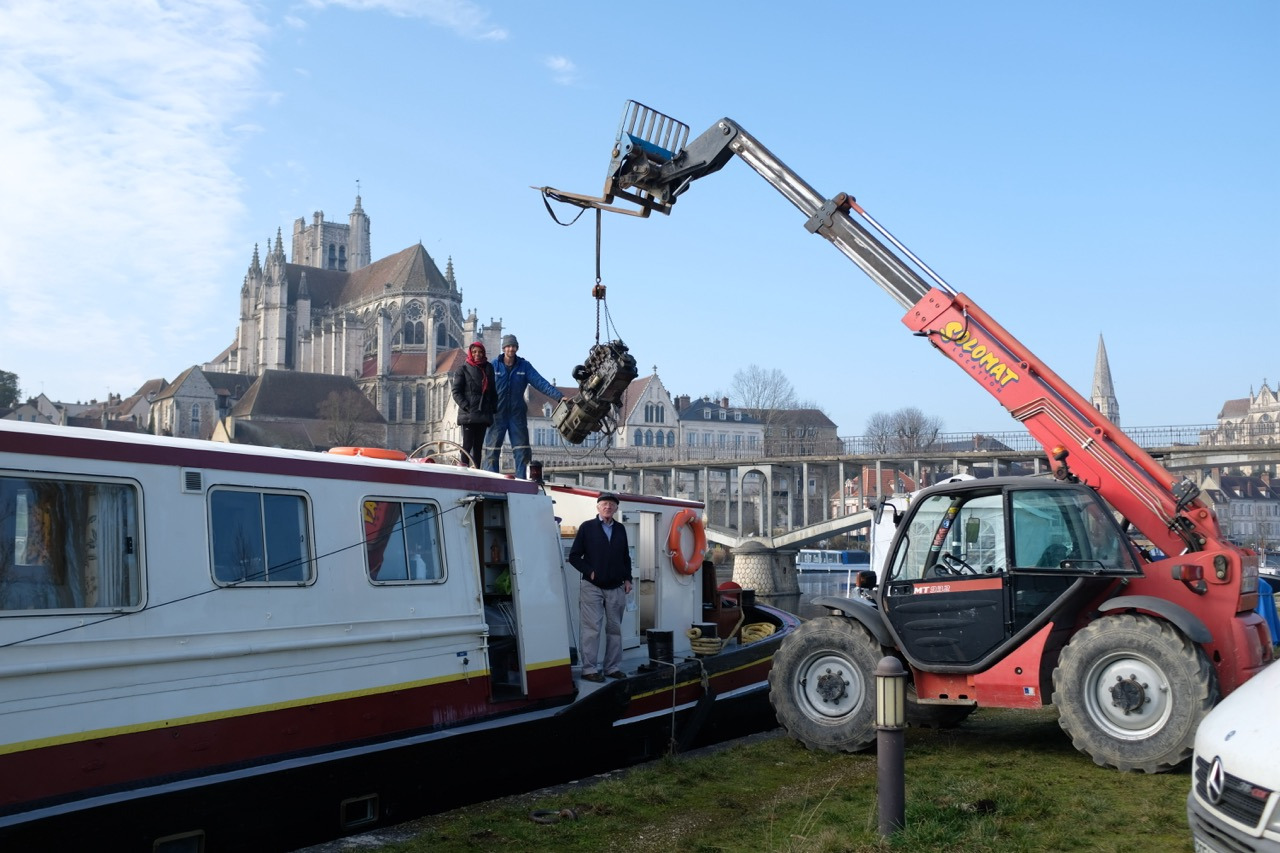
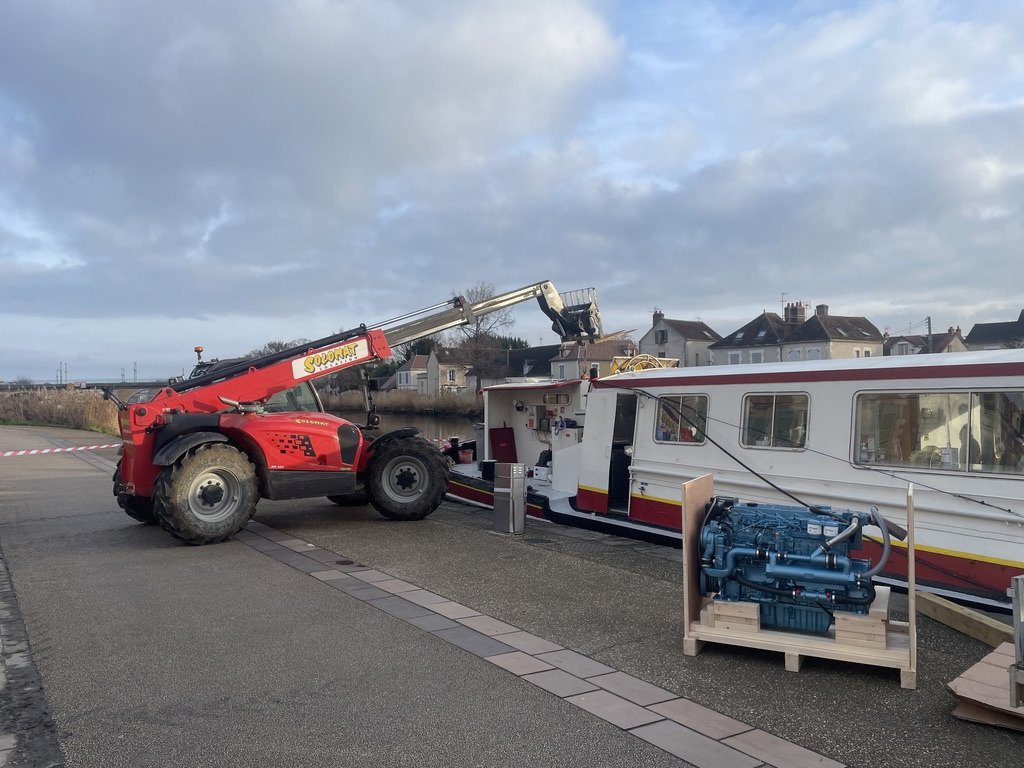
2024 — Engine and Hull: The Perkins M130C underwent a complete overhaul, including cylinder reboring, valve work and replacement of peripheral components. A new gearbox and drive coupling were installed, alongside further hull strengthening.
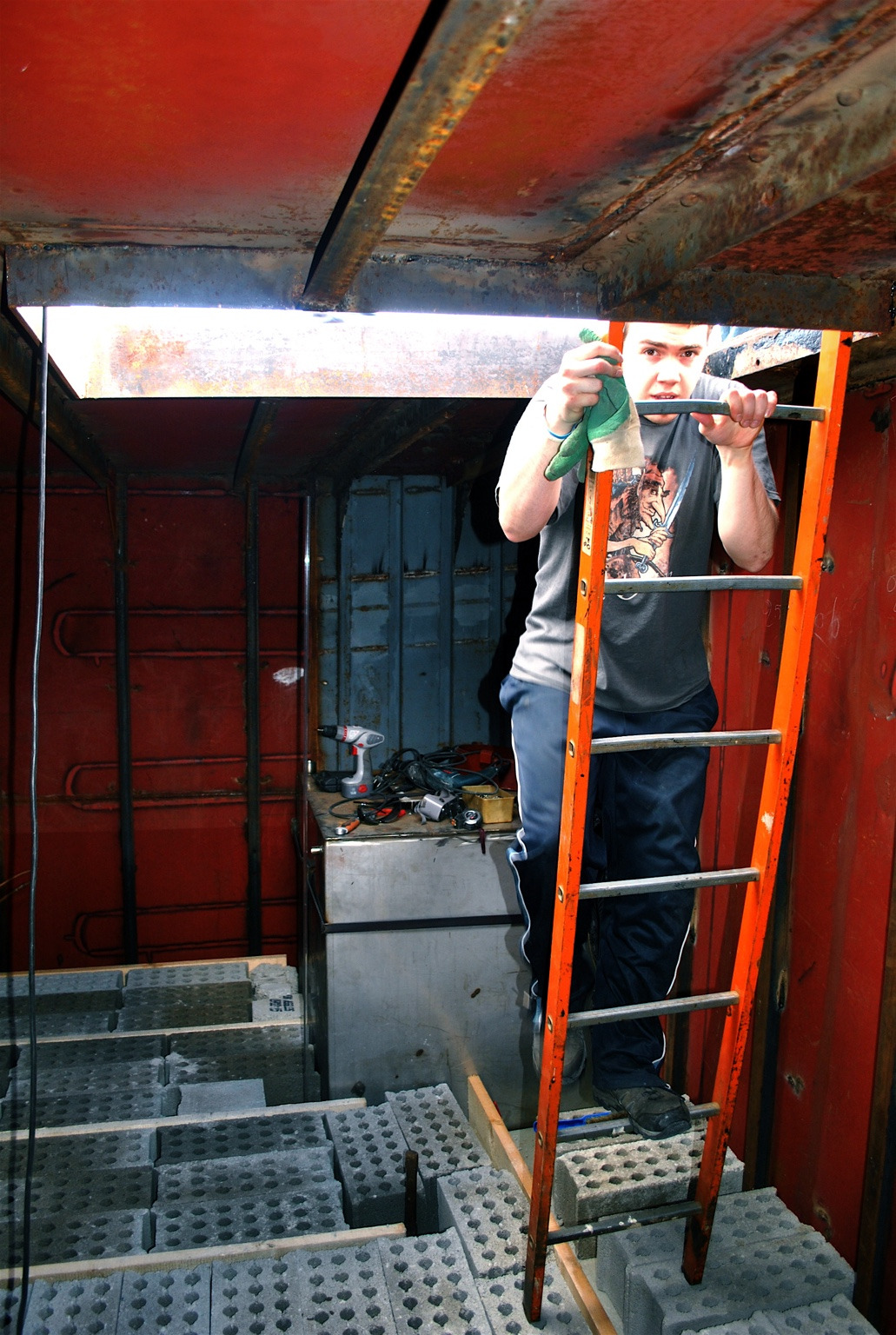
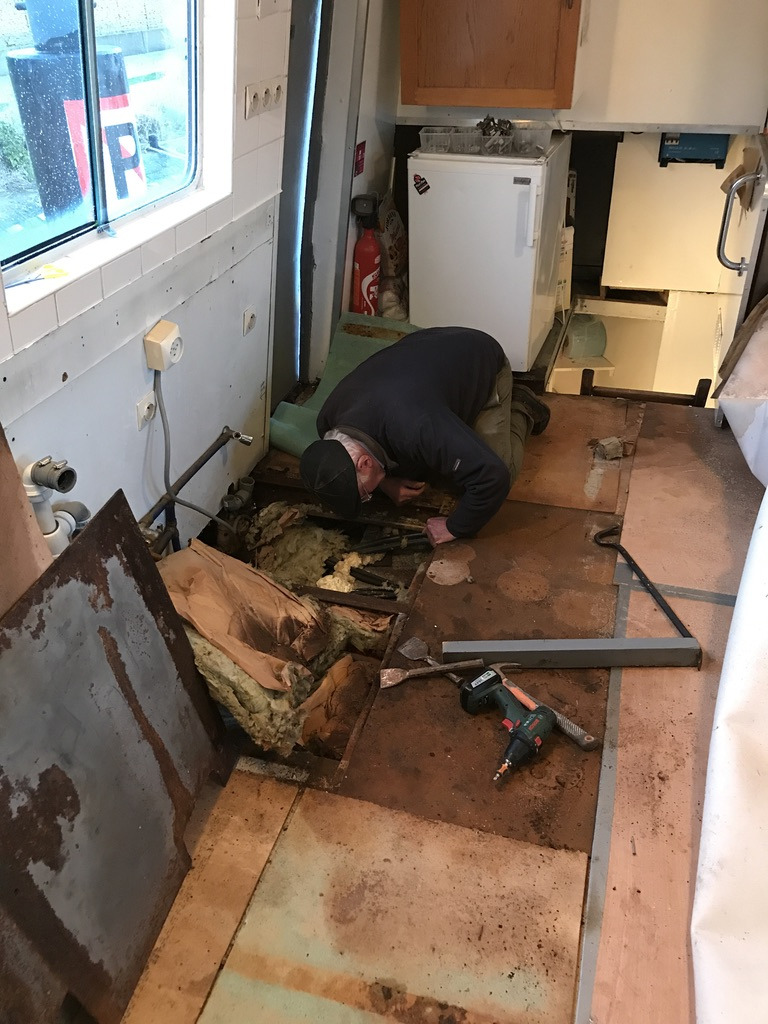
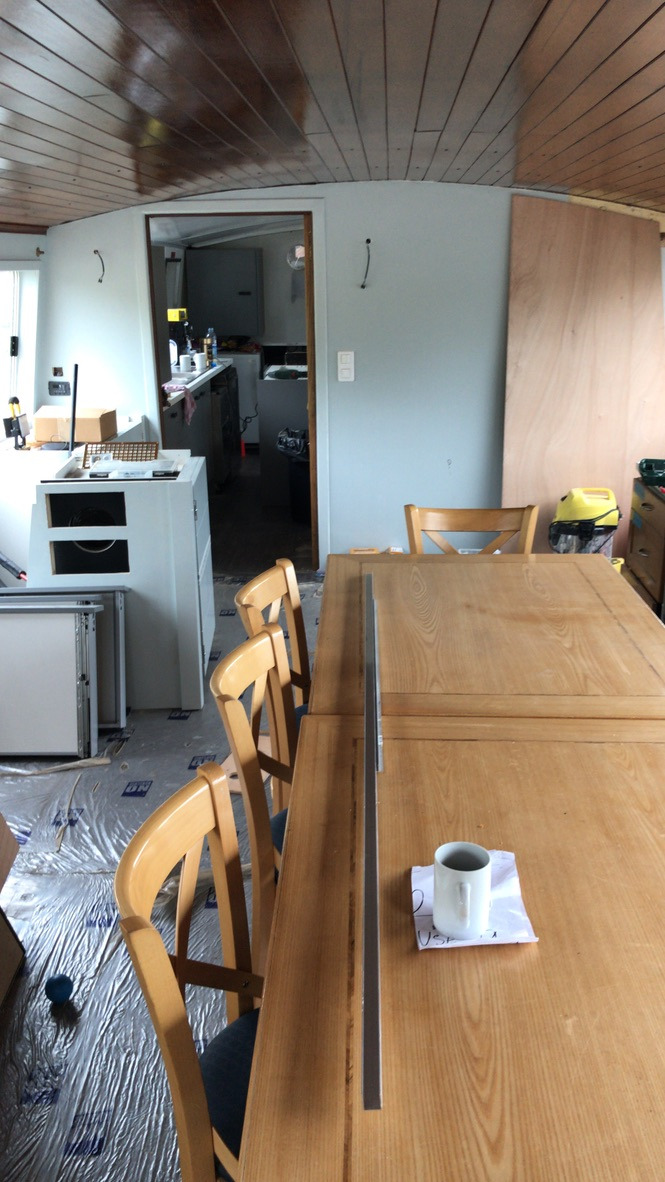
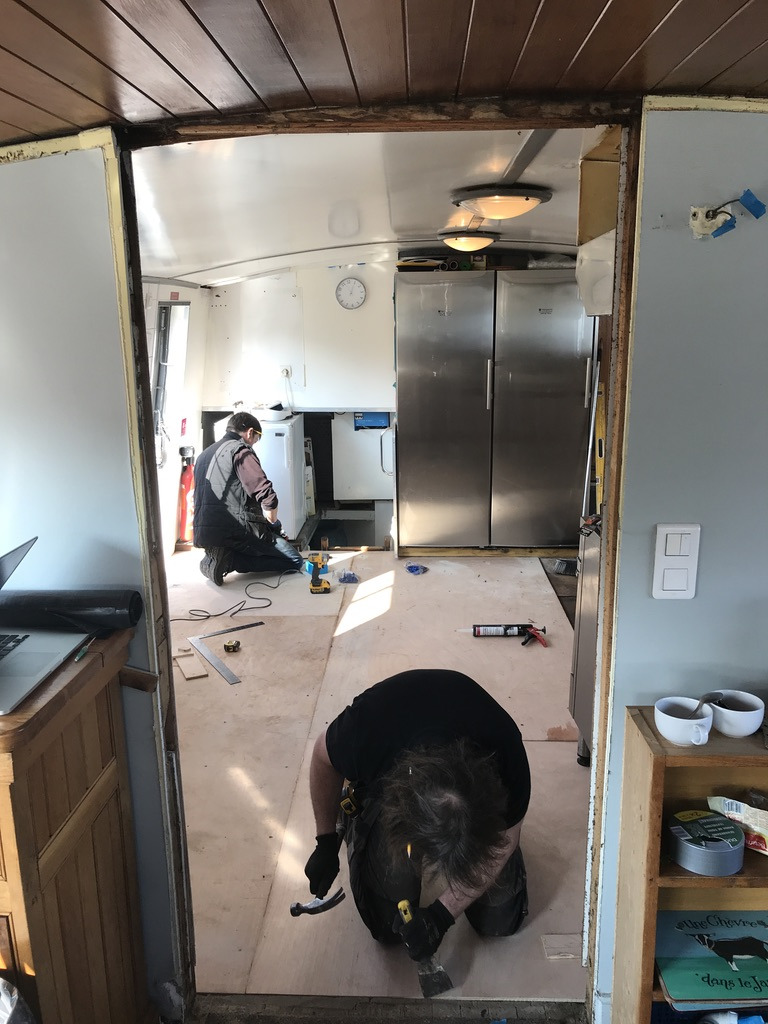
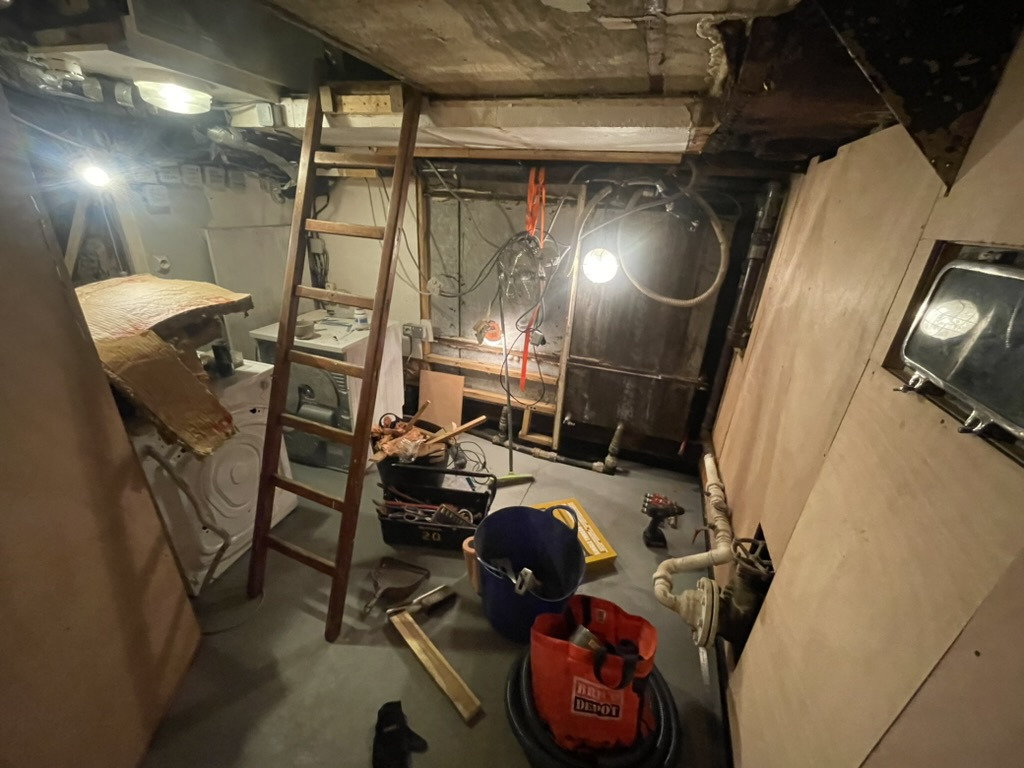
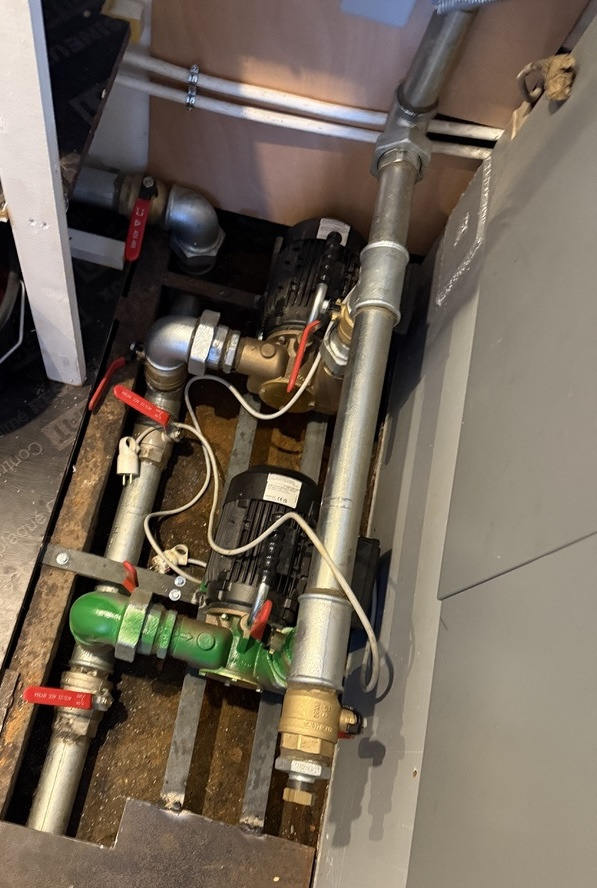
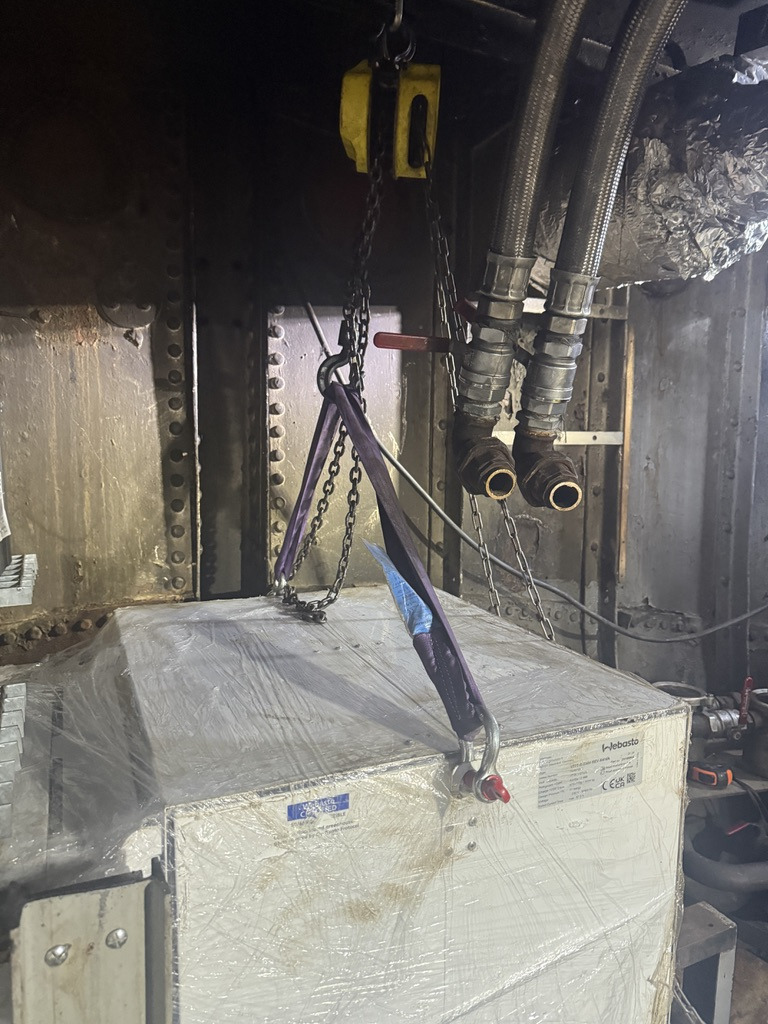
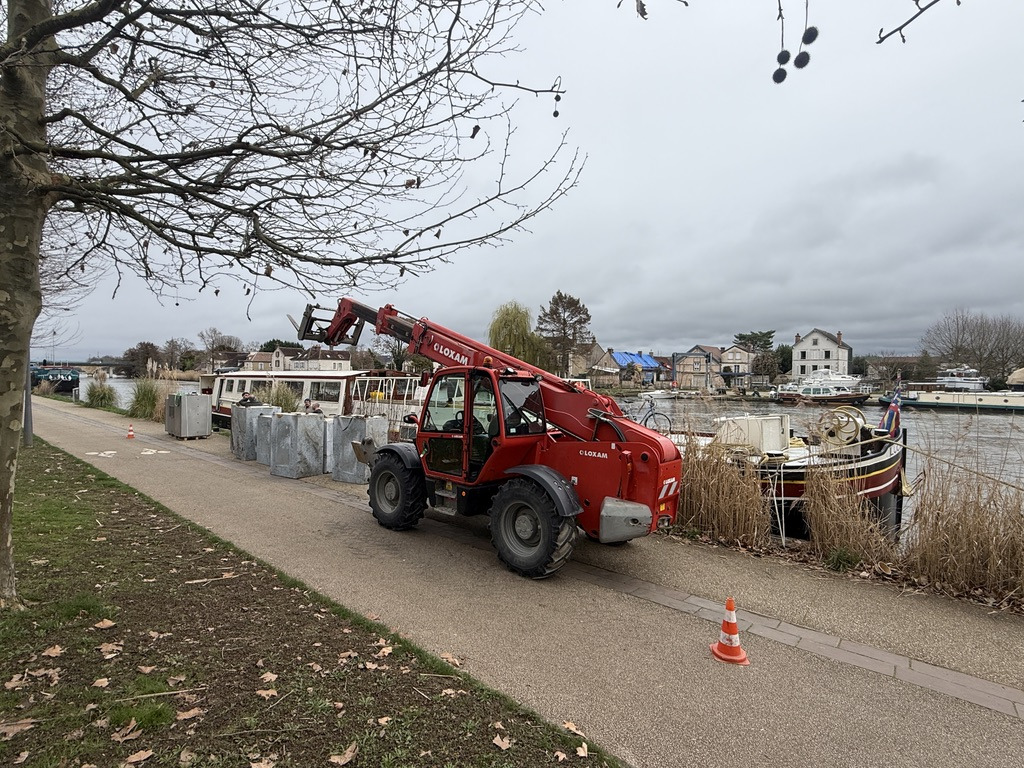
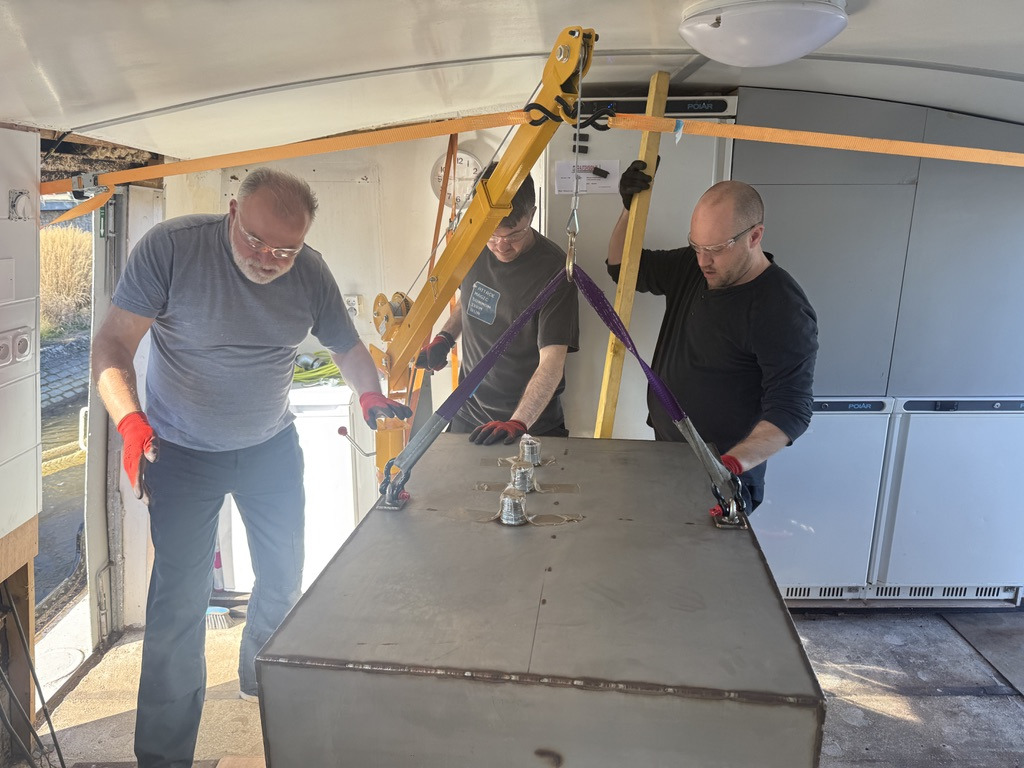
2025 — Major Systems Refit: Six freshwater tanks were replaced with stainless steel tanks. The project involved removing the galley, winching the tanks through the saloon, installing a crane and cutting structural crossbeams. Approximately 160 plumbing connections were required. Further work included bow repairs, a new waste system and a new air-conditioning chiller.
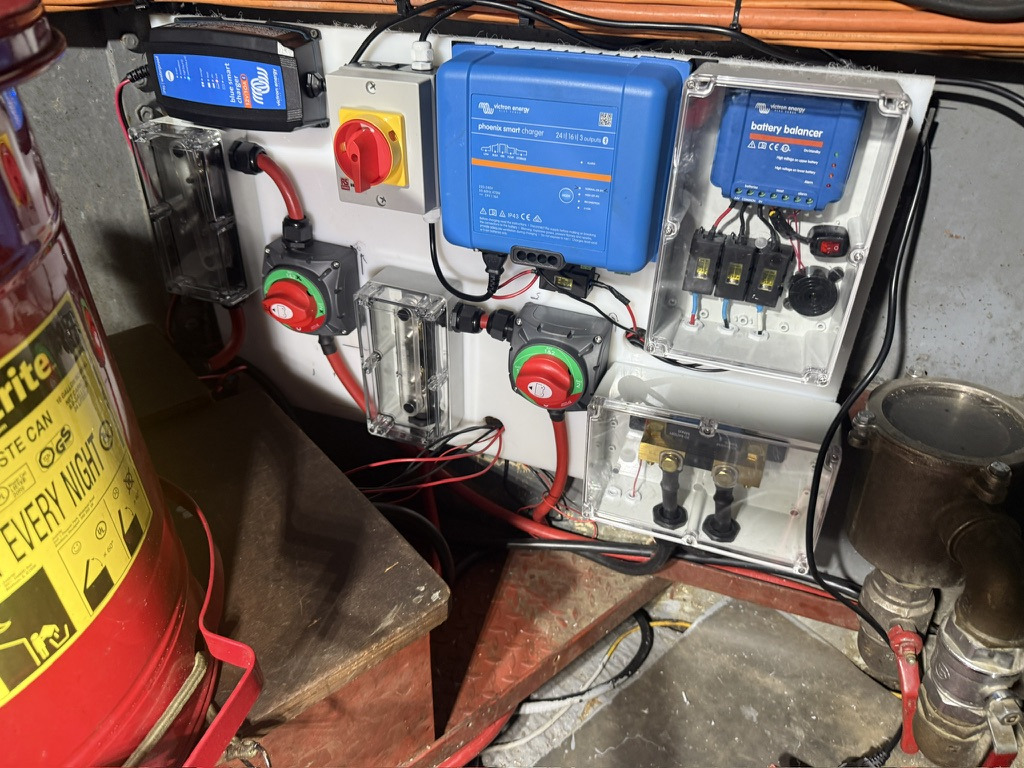
2026 — Electrical Improvements: A new engine starter motor and battery system were installed.
Will Liley
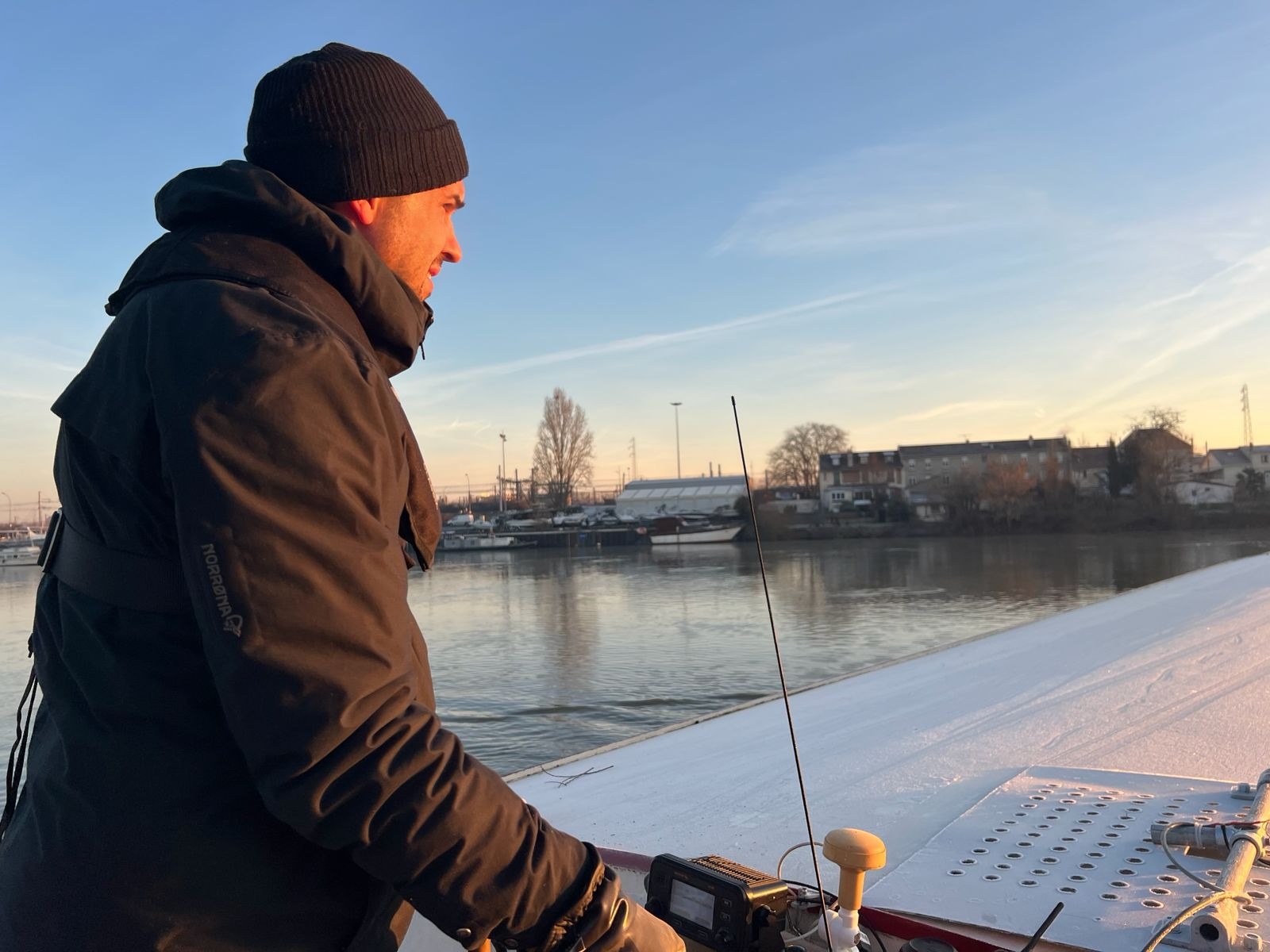
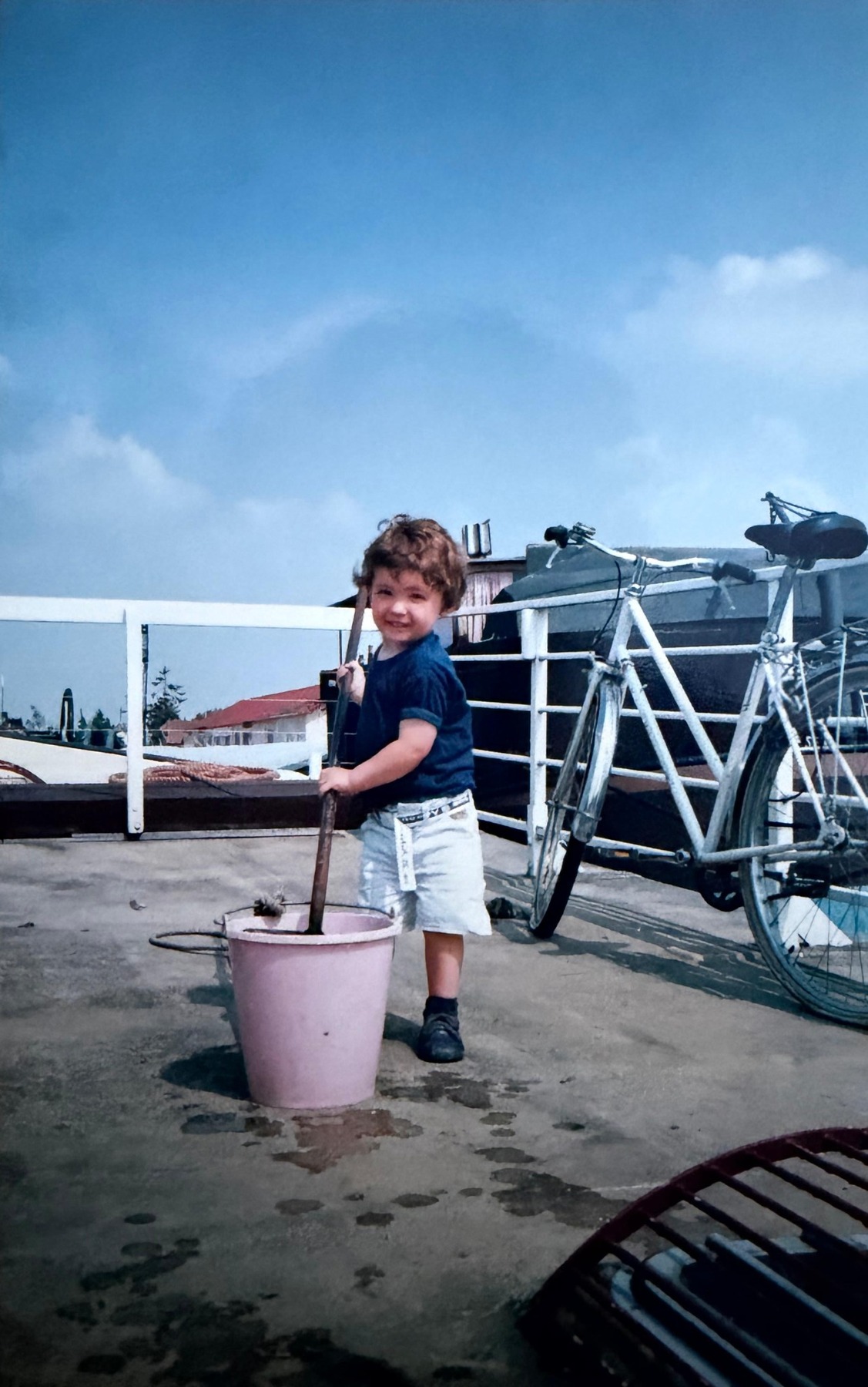
Will spent school holidays aboard the Luciole with his younger brothers and later worked as a deckhand. He now looks after the barge’s technical systems, legislation, website and marketing, still taking a turn at the helm when he can.
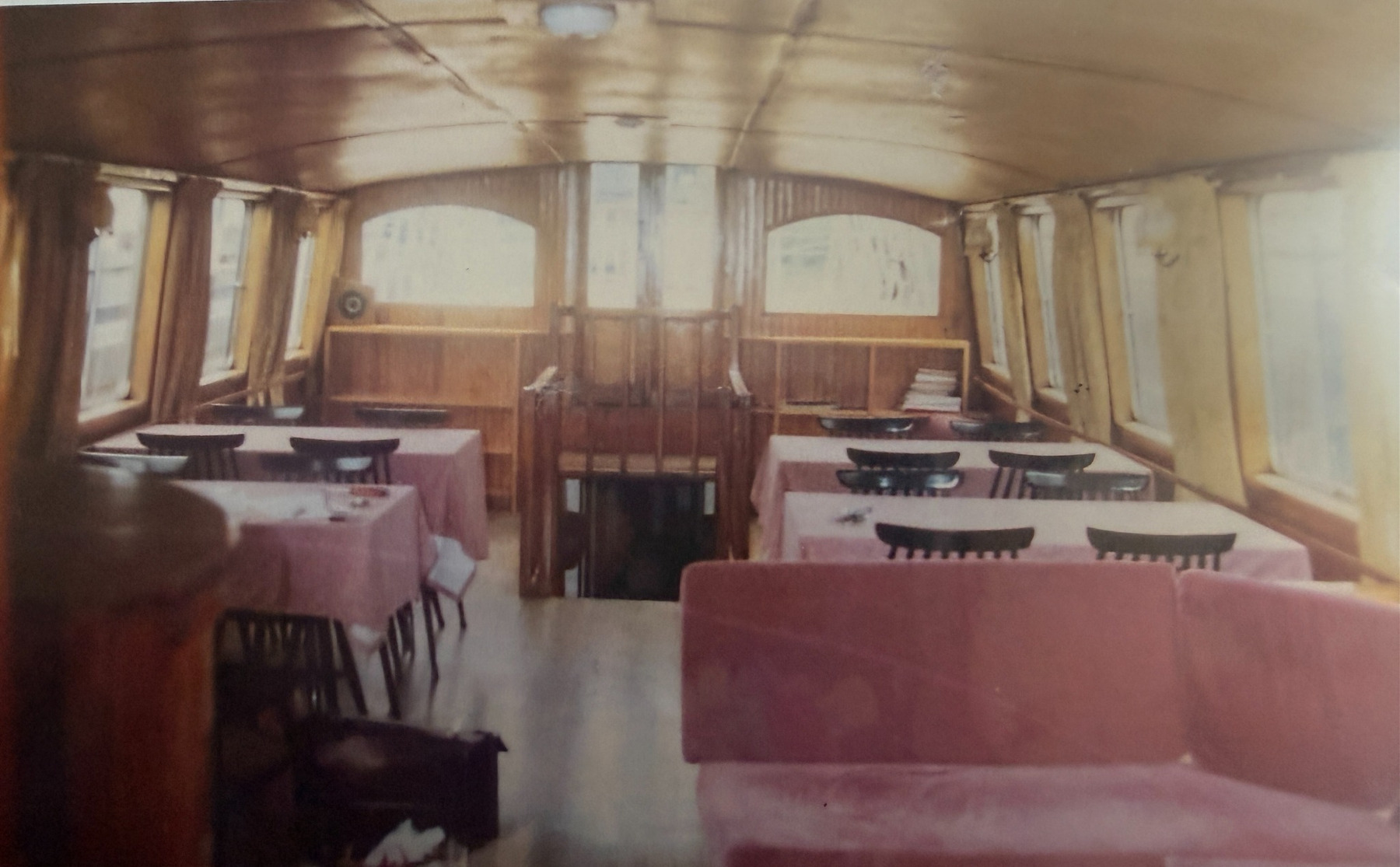
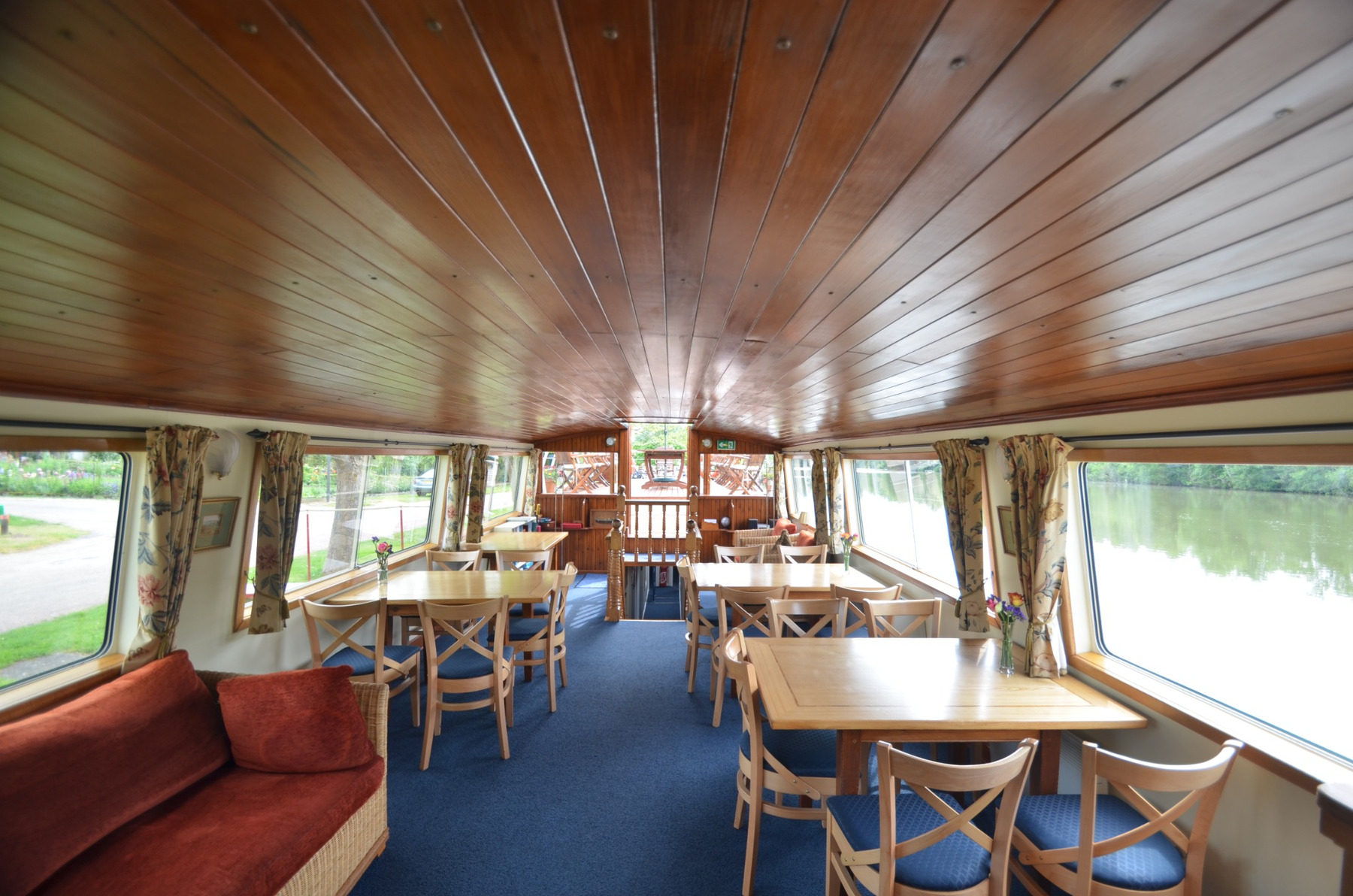
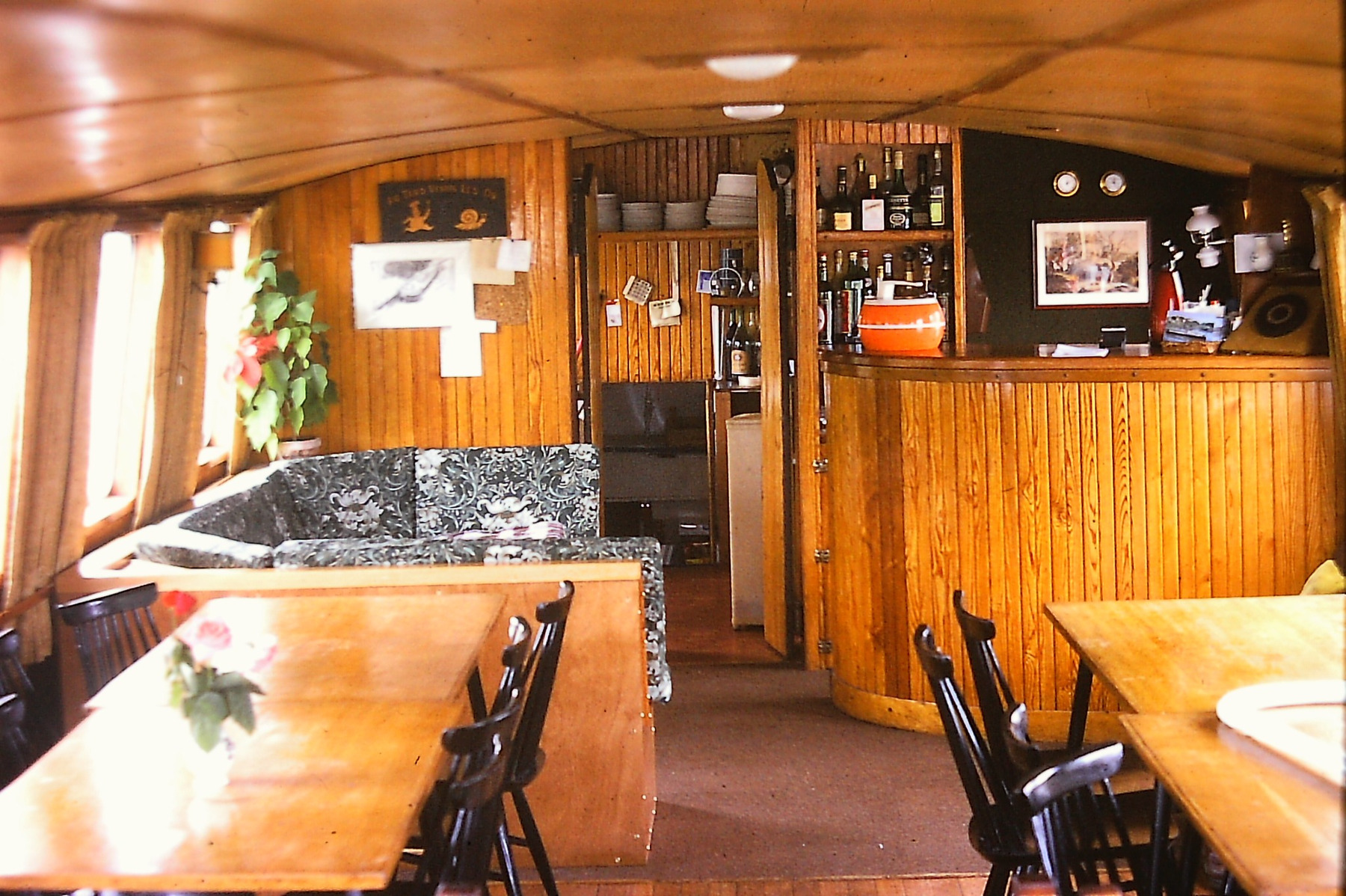
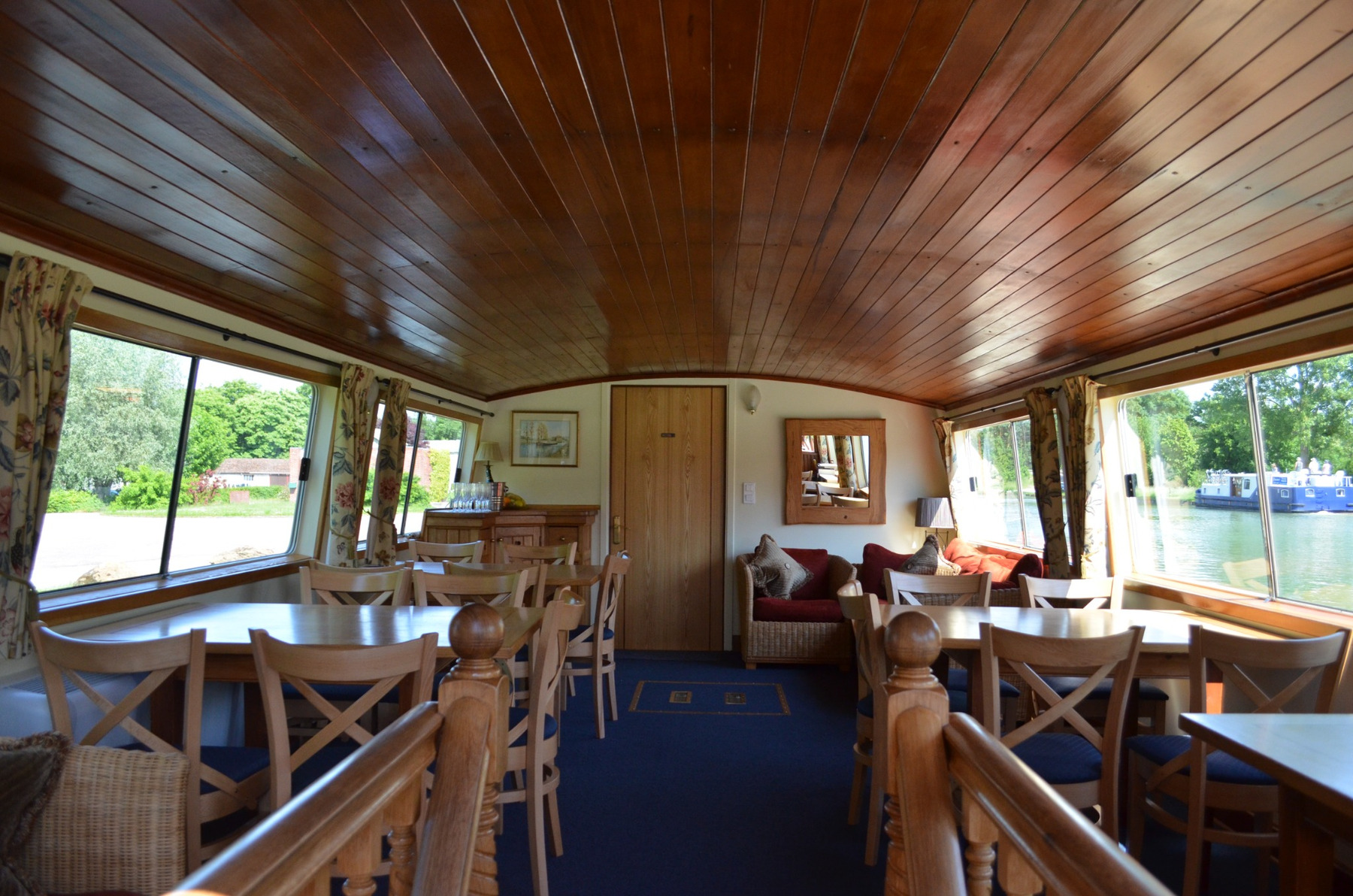
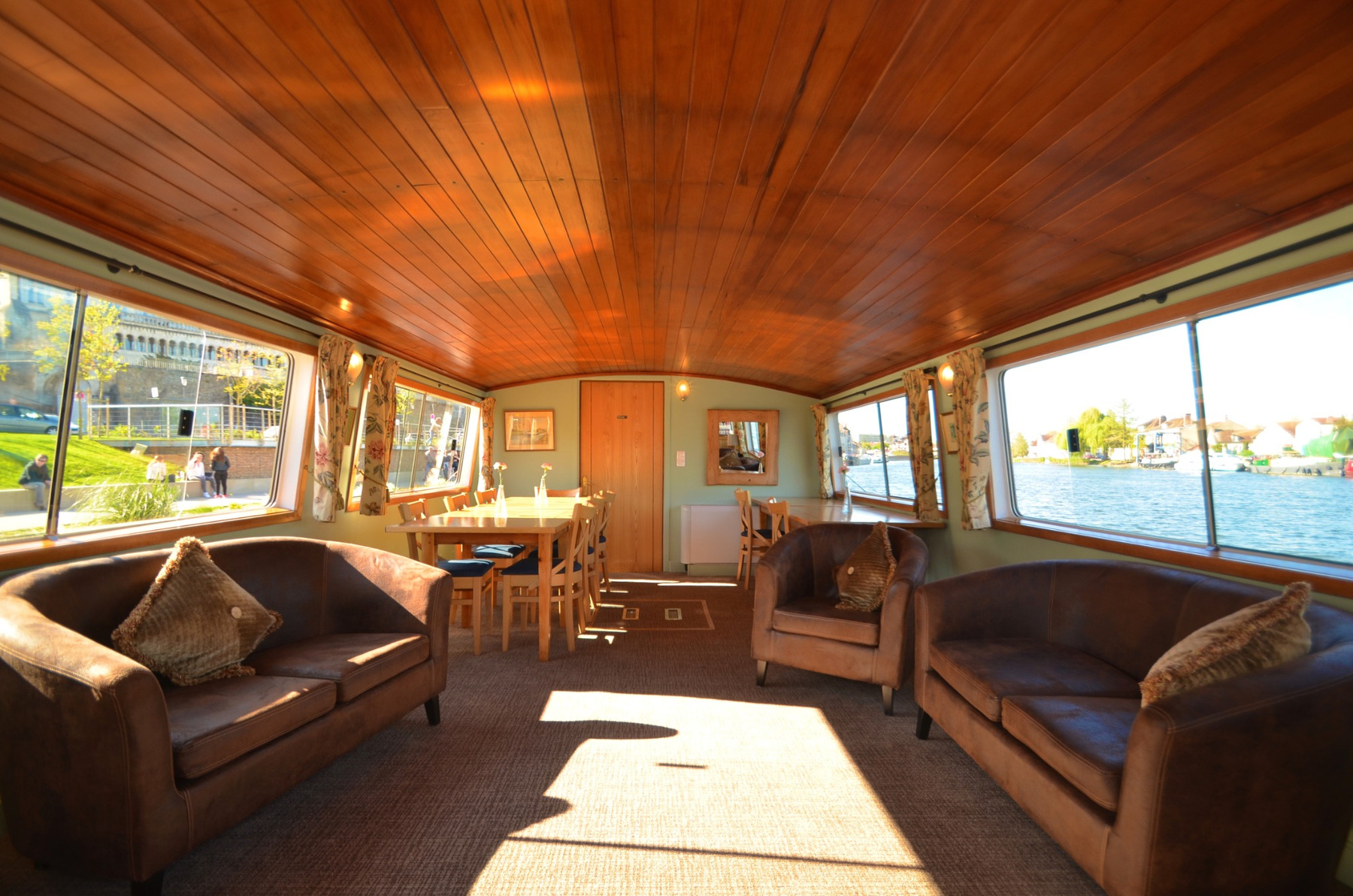
The Evolution of Luciole's Saloon
Sixty years of alterations and improvements
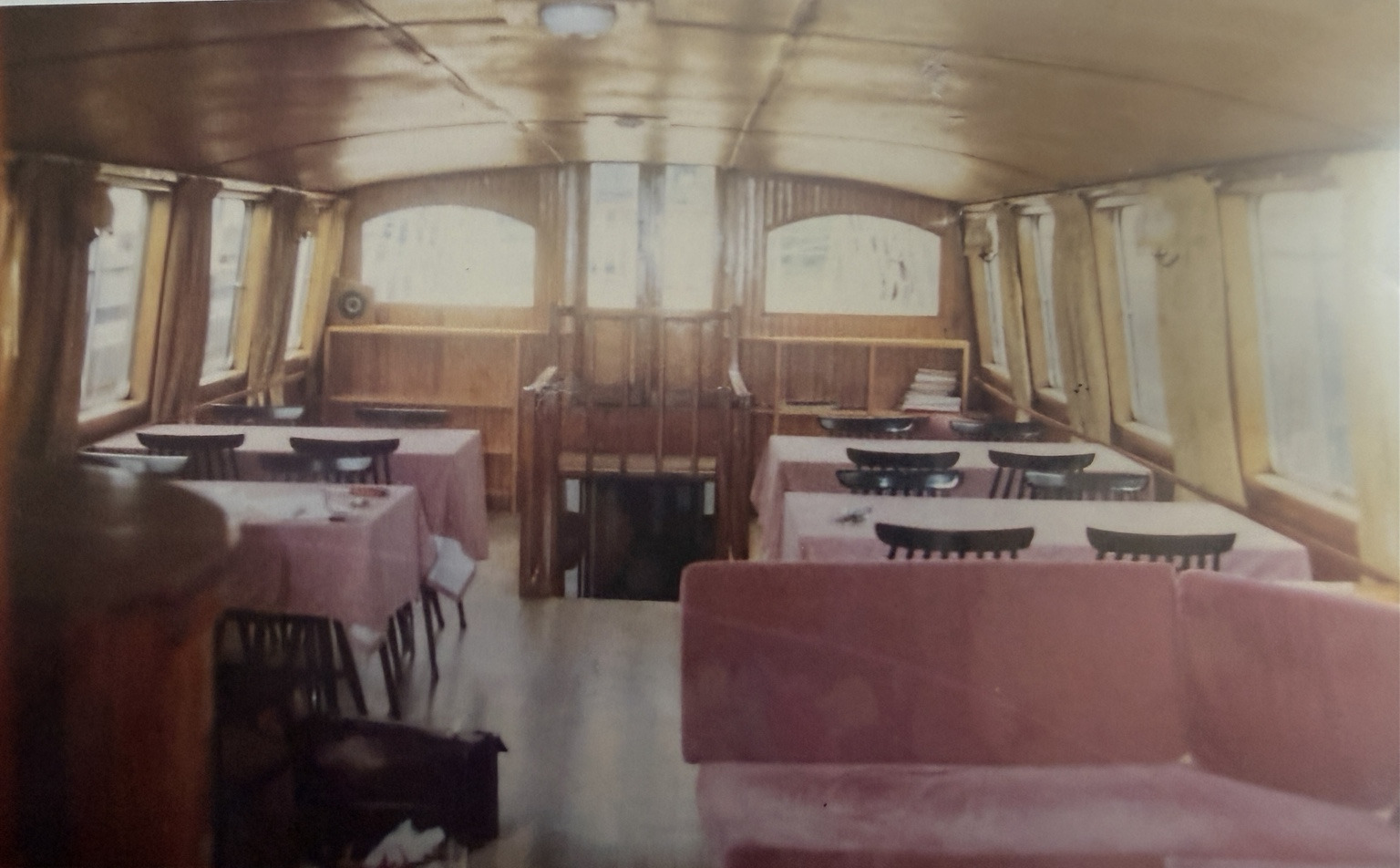
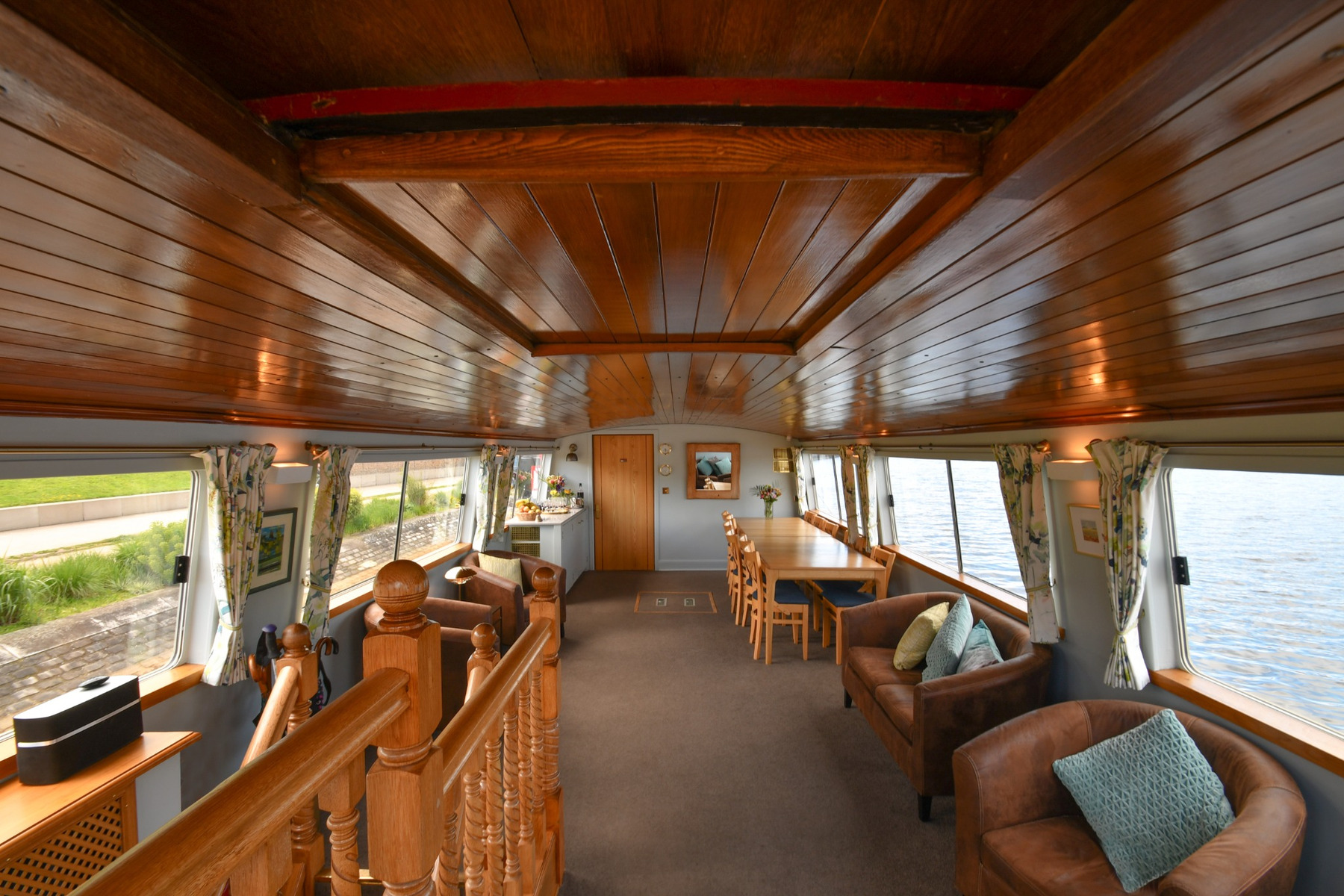
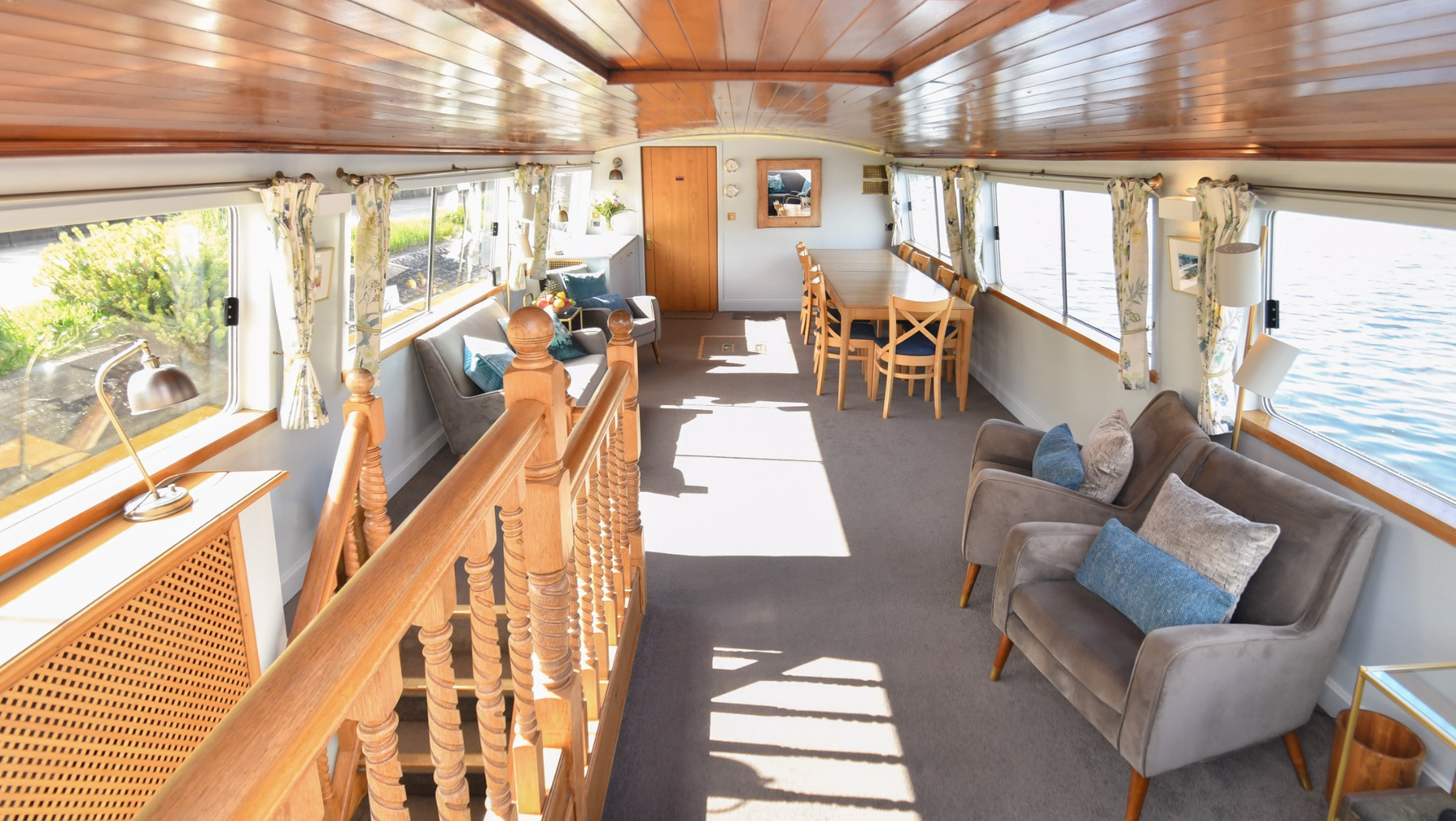
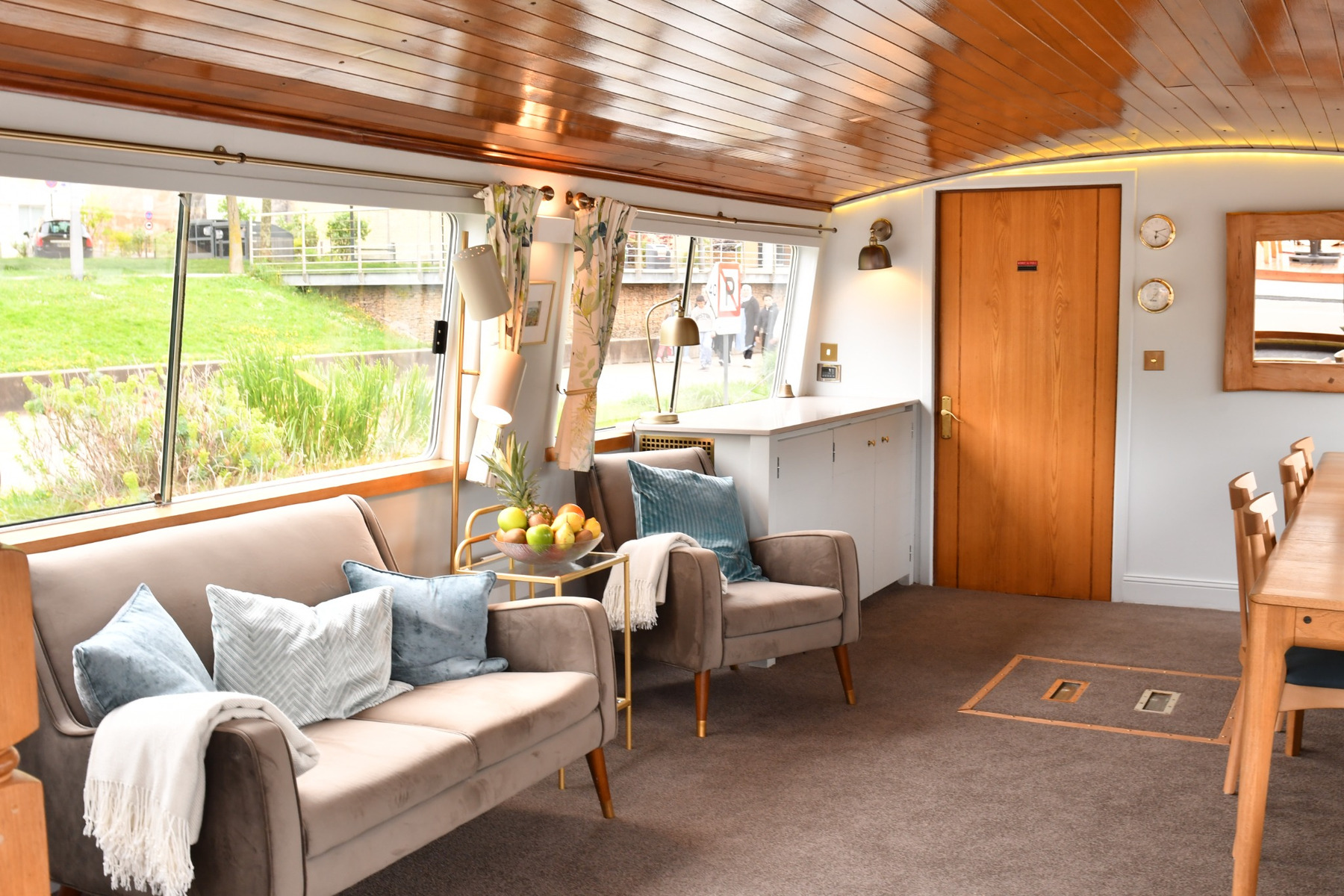
Luciole's saloon has undergone numerous changes over the decades. During the major conversion of 1985–1986, the roof was raised to provide additional headroom.
Subsequent alterations have included new tables, seating, carpets and curtains, along with the relocation of the staircase and galley doorway. These photographs show how the layout and furnishings have evolved over the years.
The Saloon — Looking Towards the Bow
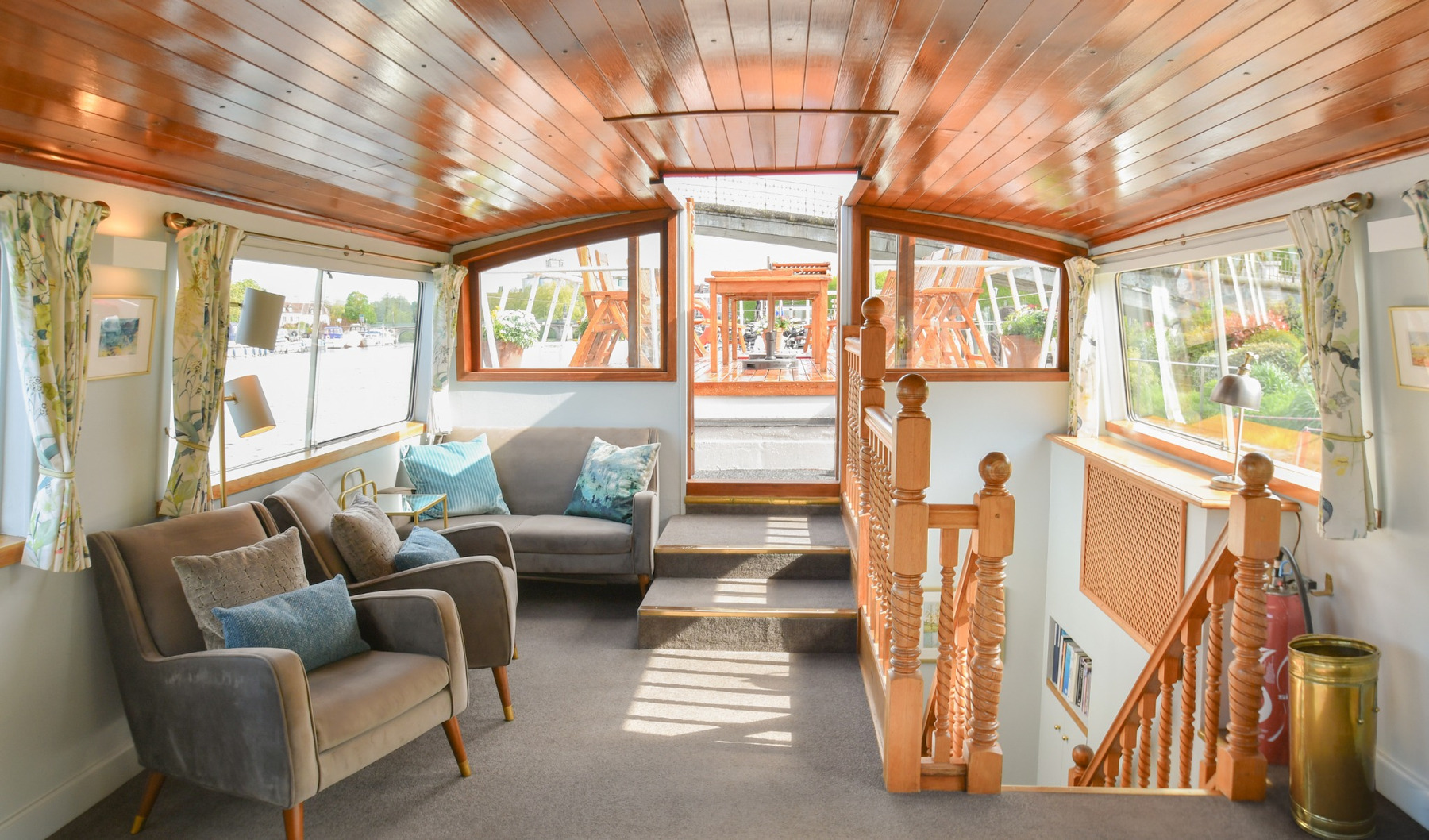
The Saloon — Looking Towards the Stern
Hotel barge Luciole
Cruising since 1976
Phone: 00 44 1625 576880
From USA: 011 44 1625 576880
WhatsApp: 00 33 6 09 92 20 76
Email: info@bargeluciole.com
23 Adlington Road, Bollington
SK10 5JT England
1-2 Quai de la Republique, Auxerre
89000 France
© Hotel Barge Luciole 2026


